


Introduction:
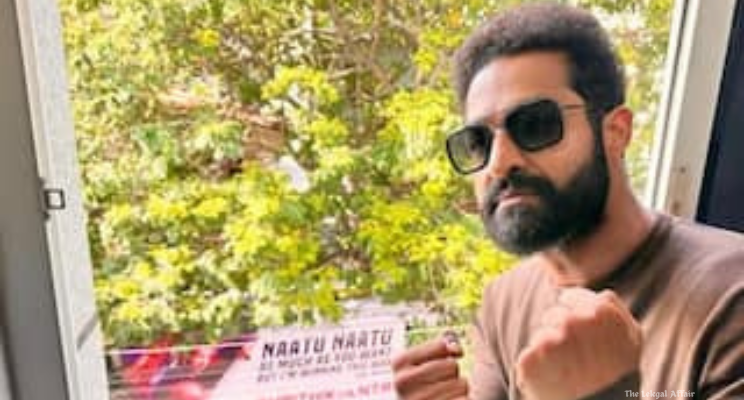
In Nandamuri Taraka Rama Rao v. Ashok Kumar / John Doe and Ors [2025 LiveLaw (Delhi)], the Delhi High Court addressed the protection of personality rights of actor Nandamuri Taraka Rama Rao, popularly known as NTR Junior, against unauthorized commercial exploitation. Justice Manmeet Pritam Singh Arora observed that Rao is a widely recognized public figure whose name, image, and likeness have acquired significant goodwill over decades of a successful acting career and brand endorsements, making him a celebrity with unique public association and reputation. The actor approached the Court seeking protection against unauthorized use of his personality traits—including his name, photographs, and image—for commercial purposes, particularly merchandising without his consent. The Court had earlier passed similar protective orders for other public figures including former cricketer Sunil Gavaskar, actors R. Madhavan, Pawan Kalyan, Salman Khan, Nagarjuna, Aishwarya Rai Bachchan, Abhishek Bachchan, and media personalities like Sudhir Chaudhary and podcaster Raj Shamani. The matter highlighted the growing need to regulate the use of celebrity likenesses, especially in light of advancements in digital media, AI-generated content, and e-commerce platforms exploiting personality rights without authorization.
Arguments:
The petitioner, NTR Junior, contended that his identity, name, likeness, and image have substantial goodwill and reputation, and unauthorized use by third parties for commercial gain infringes his personality rights. He submitted that merchandise using his persona—including AI-generated content and GIFs—was being sold without his authorization, thereby exploiting his celebrity status and causing potential harm to his brand and public image. Counsel for the actor urged the Court to restrain all unauthorized parties from using his personality traits directly or indirectly in any form of commercial activity, including digital platforms, social media, and e-commerce portals. The petitioner also sought a john doe order to prevent unidentified infringers from continuing the exploitation of his image until the matter is finally adjudicated.
The respondents, including social media and e-commerce platforms, were directed to place on record their governing policies regarding complaints pertaining to infringement of trademarks, copyright, and unauthorized use of personal likeness for merchandise sales. Although the specific defense of the respondents was not detailed in the interim order, such platforms are typically expected to argue that they act as intermediaries under the Information Technology (Intermediary Guidelines and Digital Media Ethics Code) Rules, 2021, and that their liability is limited to takedown requests upon notice, rather than preemptively restricting content. The platforms were directed to treat the actor’s suit as a complaint under the IT Rules and respond accordingly, emphasizing the balance between intermediary protections and personality rights.
Court’s Judgment:
The Court held that prima facie, Rao’s personality traits—including his name, likeness, and image—constitute protectable elements of his personality rights and are entitled to legal protection against unauthorized commercial use. Justice Arora noted that Rao’s identity is widely recognized across India, and his reputation is tied uniquely to his persona, not limited merely to fans but extending to the general public. The Court observed that the unauthorized use of his image and likeness for merchandise or commercial gain infringes his personality rights and could potentially damage the goodwill and reputation he has built over decades. Accordingly, the Court directed the defendants from directly or indirectly using Rao’s personality traits in any form, including merchandising, AI-generated products, and GIFs, without obtaining explicit authorization.
Further, the Court ordered the takedown of listings selling merchandise that exploited the actor’s image and likeness. The Court clarified that websites or third parties who are inadvertently affected by the order, without being primary infringers, may approach the Court with an undertaking of non-infringement for consideration of modification of the injunction. Additionally, e-commerce platforms, including Amazon, were directed to submit details of their policies for handling complaints regarding unauthorized use of personal likeness and sale of merchandise. The Court emphasized that the interim protections were necessary to prevent ongoing and future infringement, particularly in light of the digital and AI-driven content environment. The matter was adjourned for further hearing on May 19, 2026. This judgment aligns with earlier rulings by Justice Arora, who has consistently protected personality rights of public figures, recognizing that public personas are legally protectable under intellectual property and personal rights frameworks.