


Introduction:
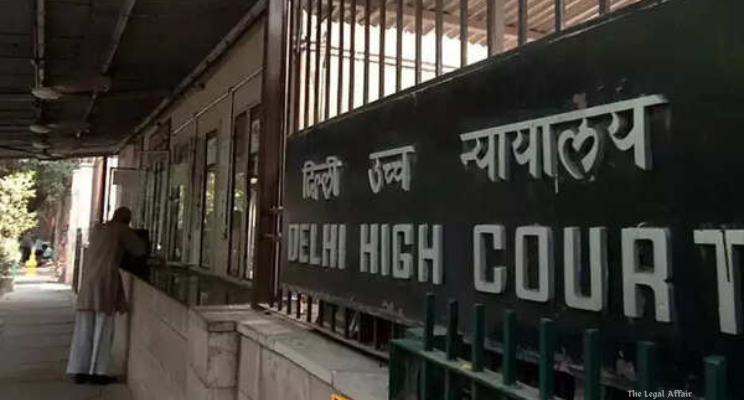
In the matter titled Anjali Birla v. X Corp. and Ors., the Delhi High Court recently decreed a defamation suit filed by Indian Railway Personnel Service (IRPS) officer and daughter of Lok Sabha Speaker Om Birla—Anjali Birla—against several defamatory posts circulating on social media platforms including X (formerly Twitter) and Google, which alleged that she had cleared the Union Public Service Commission (UPSC) exam through corrupt means and misuse of her father’s position. The suit also named certain anonymous persons (John Does) as defendants. A single-judge bench of Justice Jyoti Singh was presiding over the case and took into account a series of offensive social media posts that falsely implicated Birla in corruption and nepotism. The defamatory posts, some of which originated from parody accounts, were circulated widely, tarnishing her public image and integrity.
Arguments:
In her plea, Birla asserted that such content amounted to a character assassination and had serious implications for her professional standing as well as her personal dignity. She emphasized that these posts, filled with malicious innuendos and degrading remarks, were damaging her reputation and affecting her role in the public domain. The legal action sought a permanent injunction against these defamatory posts and requested the Court to issue necessary directions to ensure their removal. Additionally, she demanded that any identical future posts also be taken down without delay. Birla was represented by Senior Advocate Rajiv Nayar, while Advocates Aditya Bharat Manubarwala and Sanyam Khetarpal drafted and filed the plaint. During the course of proceedings, it was revealed that an interim injunction had been granted in July 2023 by a coordinate bench, directing X Corp and Google to take down the defamatory content until further orders. It was reported that out of 16 such defamatory posts, 12 had been removed by their originators while access to the remaining 4 posts had been blocked by X in compliance with the interim order. Counsel for X informed the Court that the platform had duly followed the previous orders, and that all actionable content had either been removed or blocked from view. The Court was also informed that an FIR had been filed by the Maharashtra Cyber Cell against a parody Twitter handle “Dhruv Rathee (Parody)” and various others under several provisions of the Bharatiya Nyaya Sanhita, 2023—including Sections 78, 79, 318(2), 352, 356(2), 353(2), and 3(5)—along with Section 66(C) of the Information Technology Act, 2000. These provisions primarily deal with acts of defamation, data theft, identity misuse, and online harassment.
Judgement:
On hearing the matter and perusing submissions, Justice Jyoti Singh noted that the plaintiff did not press for damages or refund of court fees. Taking into account the previous compliance by the social media platforms and lack of opposition, the Court decreed the suit in favor of Anjali Birla. It directed X to remove the remaining 4 posts still accessible and stated that any future posts of a similar nature brought to its notice by the plaintiff must also be removed without needing fresh court orders. Furthermore, Google was instructed to remove one specific post that had remained blocked since the passing of the interim order. While closing the suit, the Court made it clear that all legal questions raised during the hearings would remain open and unresolved for any future proceedings where similar legal queries might arise. Importantly, the Court emphasized the increasing role of social media in shaping public opinion and acknowledged the potential harm caused by unchecked dissemination of defamatory content against individuals in public service. The ruling serves as a reminder of the judicial responsibility to maintain the balance between free speech and protection of individual reputation, particularly in the digital age where defamatory content can have rapid and far-reaching impacts. In sum, the Delhi High Court reaffirmed that unsubstantiated allegations and character attacks on social media cannot be allowed to flourish unchecked, especially when they have the potential to harm careers, reputations, and mental well-being. It protected the rights of an individual unfairly targeted by online trolls and parody accounts, reiterating that freedom of speech must operate within the framework of decency, dignity, and the right to a reputation.