


Introduction:
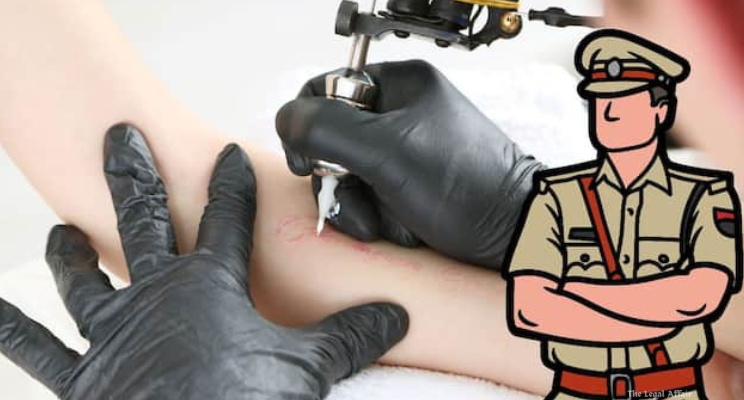
In a significant ruling, the Delhi High Court reiterated the importance of providing candidates with an opportunity to remove tattoos in a timely manner, emphasizing that a tattoo scar should not automatically disqualify an applicant from public service. The case arose from a petition by a candidate who was barred from joining the Delhi Police due to a tattoo depicting a religious symbol on his forearm. The decision underscores the court’s recognition of individual rights in the context of employment and the necessity of fair treatment in the recruitment process.
The case centers on Bhupendra Singh, who appeared for the Constable (Male) examination conducted by the Staff Selection Commission (SSC). After successfully passing the exam and the Physical Endurance and Measurement Test, he faced a setback during the Detailed Medical Examination (DME), where he was deemed unfit due to the tattoo. Despite a subsequent Review Medical Examination that also resulted in disqualification, Singh sought recourse through the Central Administrative Tribunal, ultimately leading to a legal battle in the Delhi High Court.
Background:
Bhupendra Singh qualified for the Constable position with the Delhi Police after meeting all the necessary criteria and passing various assessments. However, the DME declared him unfit due to a tattoo of the religious symbol “OM” on his right forearm. This tattoo, deemed objectionable, was highlighted in the recruitment guidelines and standing orders, which explicitly disallowed tattoos on the saluting arm of police personnel.
Following his disqualification, Singh appealed to the Central Administrative Tribunal, arguing that he should be allowed to join the police force after having the tattoo removed. The Tribunal, referring to a precedent in a similar case, agreed with Singh’s argument, citing that candidates should be given a chance to remove tattoos within a specified timeframe before being disqualified from the selection process.
In response, the SSC challenged the Tribunal’s decision in the Delhi High Court, contending that the regulations regarding tattoos were clear and must be strictly adhered to, particularly in a disciplined force like the police.
Arguments:
Petitioner’s Arguments (Staff Selection Commission):
The counsel representing the SSC put forth several arguments against Singh’s claim:
- Adherence to Rules: The petitioners argued that the Tribunal failed to acknowledge the explicit regulations and advertisement terms that disallowed tattoos on the right arm of police personnel. They emphasized that these rules were put in place to maintain discipline within the force and should not be deviated from lightly.
- Disciplined Force Standards: The petitioners contended that having a tattoo on the saluting arm of a police officer could undermine the disciplined nature of the force. They maintained that allowing candidates with tattoos to serve would set a concerning precedent, potentially leading to questions about professionalism and adherence to standards.
- Importance of Uniformity: The SSC’s counsel argued for the necessity of uniformity among police personnel, asserting that any visible deviation, such as tattoos, could compromise the public’s perception of the police force. They believed that strict adherence to the tattoo policy was essential for maintaining the integrity of the police service.
Respondent’s Arguments (Bhupendra Singh):
Bhupendra Singh’s legal team countered the SSC’s claims with the following points:
- Right to Employment: Singh’s counsel argued that barring him from service based solely on a previously existing tattoo was a violation of his right to employment. They contended that if the tattoo had been removed, there should be no further grounds for disqualification.
- Precedent and Fairness: The counsel referred to the Tribunal’s earlier decision in Deepak Yadav Vs. Staff Selection Commission, which established the principle that candidates with tattoos should be given the opportunity to remove them. They argued that it was only fair to allow Singh the same opportunity, reinforcing the idea that fairness should guide employment processes.
- Tattoo Removal Process: Singh’s legal team highlighted that the tattoo had already been surgically removed and any visible mark was negligible. They argued that since the tattoo no longer existed, Singh should be eligible for service in every other aspect.
Court’s Findings and Judgment:
The Delhi High Court, led by Justices Suresh Kumar Kait and Girish Kathpalia, conducted a comprehensive review of the arguments presented by both sides. The court’s findings included several critical observations regarding the nature of tattoos, the recruitment process, and the principles of fairness and opportunity.
- Observations on Tattoo Regulations: The court recognized the need for certain standards within the police force but also emphasized the importance of ensuring that candidates are treated fairly and equitably. The judges noted that while the rules regarding tattoos were established for valid reasons, they should not be inflexible to the point of excluding individuals who have made an effort to comply with them.
- Principle of Opportunity: The court reiterated the principle established in previous rulings that candidates with tattoos should be granted a chance to have them removed within a specified timeframe. They acknowledged that this approach not only supports individual rights but also aligns with the recruitment goal of finding qualified individuals to serve.
- Review of Medical Examination: The justices physically examined Bhupendra Singh’s forearm and confirmed that the tattoo had indeed been removed and was no longer visible. This finding significantly bolstered Singh’s case, as it demonstrated that he complied with the requirement to eliminate the objectionable tattoo.
- Conclusion of Eligibility: In light of these observations, the court found that Singh met all the necessary criteria for appointment and dismissed the SSC’s petition. The court directed the petitioners to allow Singh to join the training program, highlighting the importance of not allowing past tattoos to hinder a candidate’s future opportunities, particularly when remedial actions were taken.
Conclusion:
The Delhi High Court’s ruling stands as a testament to the principles of fairness, opportunity, and the right to employment. By emphasizing that a previously existing tattoo should not disqualify a candidate who has taken steps to remove it, the court has reaffirmed its commitment to individual rights within the recruitment process for public service.
This decision not only impacts Bhupendra Singh but also sets a precedent for future candidates facing similar challenges. It encourages a more humane and flexible approach to recruitment policies, especially in a diverse society where individuals may have varying personal histories, including tattoos they may wish to remove.
As the judicial landscape evolves, this ruling serves as a reminder that balancing the maintenance of standards within public service with the fair treatment of candidates is essential. It highlights the importance of allowing individuals to correct past decisions and reintegrate into public life, fostering a more inclusive and understanding society.