


Introduction:
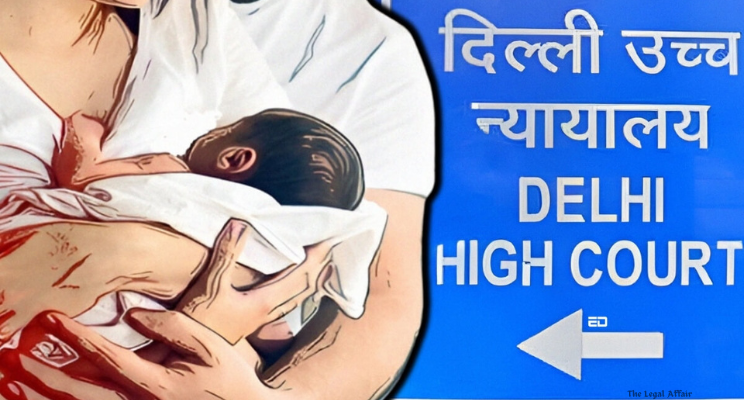
In a significant dowry death case, the Delhi High Court addressed the regressive mindset surrounding dowry demands, emphasizing the need for educating perpetrators about genetic science. Justice Swarana Kanta Sharma underscored the importance of understanding that it is the son’s chromosomes that determine the gender of the unborn child. The ruling aims to bring enlightenment to those fixated on preserving family trees through their daughters-in-law, challenging societal biases and contributing to a positive shift in mindset.
Arguments of Both Sides:
The case involved a husband seeking bail in a dowry death case where the deceased faced mental and physical torment due to dowry demands and was allegedly mistreated for giving birth to daughters. The defense sought bail, while the prosecution highlighted the severity of the charges, including cruelty, dowry death, and common intention, under the Indian Penal Code.
Court’s Judgment:
Justice Sharma, while denying bail, emphasized the societal concerns reflected in cases where women’s worth is linked to dowry. The court addressed the deep-seated bias against women, stating that expecting dowry not only violates gender equality principles but also objectifies and reduces women to mere transactions. The ruling reinforced the disheartening markers of societal regression, particularly when the deceased faced harassment for giving birth to daughters.