


Introduction:
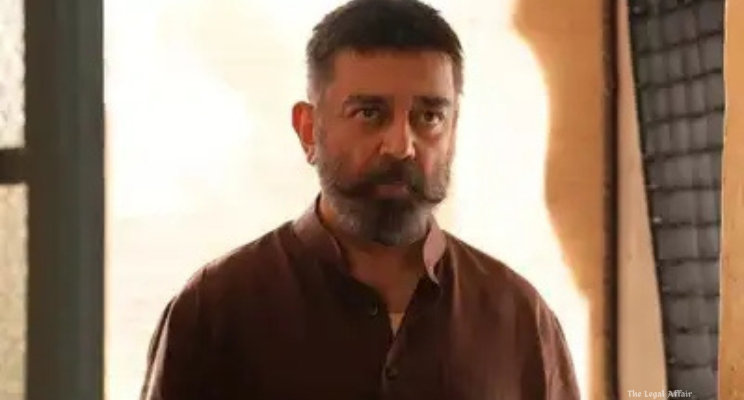
Veteran actor and filmmaker Kamal Haasan, known for his contributions to Indian cinema, recently found himself at the center of a linguistic and cultural controversy. During the audio launch of his upcoming film ‘Thug Life,’ directed by Mani Ratnam, Haasan made a statement suggesting that the Kannada language originated from Tamil. This remark sparked significant backlash in Karnataka, with many viewing it as an affront to the state’s linguistic heritage. The Karnataka Film Chamber of Commerce (KFCC) responded by threatening to halt the film’s release in the state unless Haasan issued a public apology. The matter escalated to the Karnataka High Court, where discussions about freedom of expression, cultural sensitivities, and the responsibilities of public figures took center stage.
Arguments:
Petitioner’s Perspective:
Representing Kamal Haasan, Senior Advocate Dhyan Chinnappa presented a letter addressed to the KFCC, wherein Haasan expressed regret over the misunderstanding caused by his statement. The letter emphasized that there was no malice intended and highlighted Haasan’s respect and love for the Kannada language and its people. Chinnappa argued that an apology is warranted only when there is malicious intent, which was absent in this case. He further stated that Haasan’s remarks were made in the context of inviting a Kannada superstar to the event and were not meant to undermine the Kannada language. To demonstrate goodwill, Haasan decided to postpone the release of ‘Thug Life’ in Karnataka, stating, “Art can wait,” and expressed a willingness to engage in dialogue with the KFCC to resolve the issue amicably.
Respondent’s Perspective:
The KFCC and other respondents contended that Haasan’s statement was historically inaccurate and deeply hurt the sentiments of the Kannada-speaking population. They emphasized the importance of respecting linguistic and cultural identities, especially in a diverse country like India. The respondents argued that public figures have a heightened responsibility to be mindful of their statements, as their words carry significant influence. They maintained that a clear and unequivocal public apology was necessary to address the hurt caused and to prevent further unrest.
Court’s Observations and Judgment:
The Karnataka High Court, presided over by Justice M. Nagaprasanna, expressed strong disapproval of Haasan’s remarks. The court questioned Haasan’s qualifications to make such a statement, asking, “Are you a historian or a linguist?” It highlighted the sacredness of elements like ‘Jala’ (water), ‘Nela’ (land), and ‘Bashe’ (language) to the people of Karnataka and emphasized that any comment undermining these could lead to unrest and disharmony. The court noted that Haasan’s letter lacked a direct apology and suggested that including a simple sentence of apology could have mitigated the situation. While acknowledging Haasan’s decision to delay the film’s release in Karnataka, the court adjourned the matter to June 10, 2025, encouraging both parties to engage in dialogue to resolve the issue.