


Introduction:
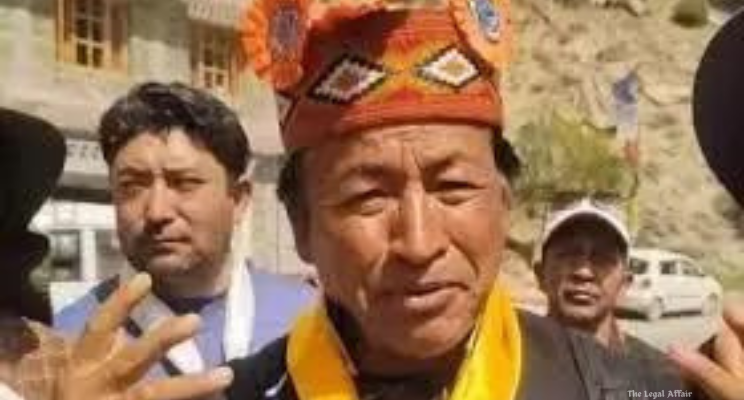
On October 3, 2024, the Delhi High Court addressed the issue surrounding climate activist Sonam Wangchuk and his associates, who were detained while participating in the “Delhi Chalo Padyatra” march from Leh to the national capital. The march aimed to raise awareness for statehood demands for Ladakh, organized by the Leh Apex Body (LAB) in conjunction with the Kargil Democratic Alliance (KDA). The case was presented before a division bench comprising Chief Justice Manmohan and Justice Tushar Rao Gedela. The petitioners, Mustafa Haji and Azad, sought the release of Wangchuk and his associates following their detention at the Singhu Border on September 30. During the proceedings, the Solicitor General of India (SGI), Tushar Mehta, confirmed the release of the activists and stated that their movements were no longer restricted, leading to the dismissal of the petitions.
Background of the Case:
The “Delhi Chalo Padyatra” began in Leh in late September 2024, rallying support for various demands, most notably the push for statehood for Ladakh. This grassroots movement was driven by the Leh Apex Body, which has consistently advocated for the rights and autonomy of Ladakh’s residents since the region was designated a Union Territory in 2019.
On the night of September 30, Sonam Wangchuk and around 120 others were detained at the Singhu Border, where they intended to enter Delhi. Their detention was part of a broader prohibitory order issued by the Delhi Police, which aimed to prevent large assemblies in the city during a sensitive political period. This order raised concerns regarding the right to peaceful assembly and freedom of expression, essential components of democratic society.
Following their detention, two petitions were filed in the Delhi High Court by Mustafa Haji and Azad, who argued that the activists’ rights were being infringed upon by the police actions. The petitions sought the immediate release of Wangchuk and his associates and challenged the legality of their detention.
Arguments by the Petitioners:
The petitioners’ legal representatives argued that the detention of Wangchuk and his associates was arbitrary and unjust. They emphasized the constitutional right to peaceful assembly under Article 19(1)(b) of the Indian Constitution, which allows individuals to assemble peacefully without arms. The lawyers highlighted that the march was peaceful and aimed solely at raising awareness about critical climate and statehood issues affecting Ladakh.
Additionally, the petitioners pointed out that the prohibition imposed by the Delhi Police was excessive and a violation of fundamental rights. They contended that such prohibitory orders must be based on reasonable grounds and should not be used to suppress peaceful protests. By detaining activists engaged in democratic expression, the authorities were setting a dangerous precedent that could stifle dissent and civic engagement in the future.
Furthermore, they underscored the urgency of the situation, given that Wangchuk and his associates were well-known figures advocating for environmental issues and the rights of the Ladakhi people. Their continued detention not only hindered their ability to communicate their message but also adversely affected the broader movement for Ladakh’s statehood.
Arguments by the Respondents:
In response to the petitions, SGI Tushar Mehta appeared for the Delhi Police and the Union of India, presenting a defense of the actions taken by the authorities. Mehta asserted that the detention was a necessary measure to maintain public order and safety, particularly in light of the prohibitory orders issued to prevent large gatherings during a politically sensitive time.
He clarified that the order prohibiting assemblies of five or more individuals was not aimed at suppressing dissent but rather at ensuring the safety of all citizens in the capital. According to the SGI, the police acted within their legal rights to detain those participating in the march, as the assembly posed a potential risk to public order.
Mehta further informed the court that the prohibitory order had been withdrawn on October 2, allowing for the resumption of public gatherings. He confirmed that Wangchuk and his associates had been released from detention and that their movements were no longer restricted, which mitigated the concerns raised by the petitioners.
Court’s Analysis and Judgment:
The Delhi High Court, after hearing the submissions from both sides, acknowledged the importance of the right to peaceful assembly as enshrined in the Constitution. The court recognized that while the authorities have a duty to maintain public order, this responsibility must be balanced against the rights of citizens to express their views freely.
The court noted the submission from SGI Mehta regarding the release of Wangchuk and his associates, which appeared to address the immediate concerns raised in the petitions. However, the court also sought to ensure that the rights of the individuals were upheld, given the serious implications of their detention.
In light of the arguments presented and the developments regarding the withdrawal of the prohibitory order, the court found that the petitions could be disposed of. However, it ordered the SGI to file an affidavit confirming the details of the release and to clarify the status of the activists’ movements. The court emphasized the need for transparency in the matter and directed that the case be listed for further hearing the following day to ensure compliance with its orders.