


Introduction:
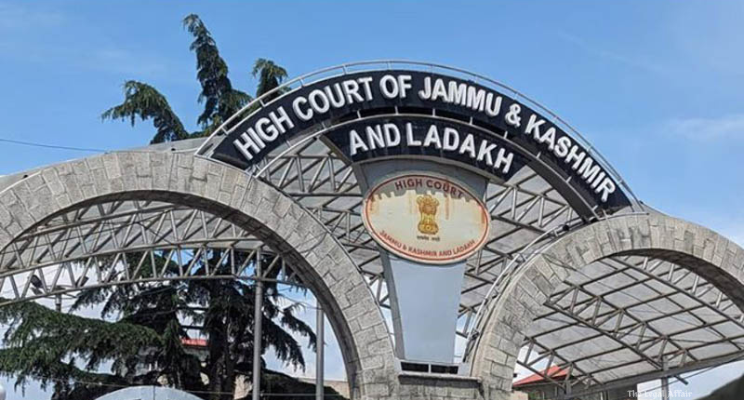
In Jasveer Singh and others vs Jugal Kishore (2026), the Jammu and Kashmir High Court examined whether proceedings under Section 138 of the Negotiable Instruments Act, 1881 could be quashed on the ground that the accused was not heard at the pre cognizance stage under Section 223 of the Bharatiya Nagarik Suraksha Sanhita and on the further claim that the cheque dishonour complaint was filed as a counterblast to the accused’s civil recovery suit and private criminal complaint, with the petitioner contending that the complaint was mala fide and an abuse of process and that once the Trial Court had initially granted a hearing under Section 223 BNSS it could not later dispense with it before taking cognizance, while the respondent maintained that cheque dishonour proceedings are governed by a special statute and once statutory ingredients are met cognizance must follow and parallel civil or criminal actions by the accused cannot stall or derail prosecution under the NI Act.
Arguments:
The petitioner argued that the complaint under Section 138 NI Act was filed with an ulterior motive to defeat his lawful claim of recovery of about forty five lakh rupees and that he had already instituted a civil suit before the District Judge Udhampur and also filed a private criminal complaint under provisions of the Bharatiya Nyaya Sanhita, and therefore the cheque dishonour case should be seen as retaliatory and vexatious, it was further contended that the Trial Court had initially invoked Section 223 BNSS and granted a pre cognizance hearing and having done so it was legally impermissible for the court to subsequently take cognizance without completing such hearing, thereby rendering the cognizance order illegal, the petitioner also questioned service of statutory notice and claimed denial of opportunity to be heard, whereas the respondent countered that proceedings under Section 138 NI Act are governed by a self contained special statutory scheme and do not require pre cognizance hearing of the accused, that once issuance of cheque, dishonour, service of notice and failure to pay are prima facie established the Magistrate is duty bound to take cognizance, it was further argued that the accused cannot neutralize or stall criminal liability by hurriedly filing civil or private criminal proceedings after receipt of notice, and that postal receipts and prior appearance through counsel clearly showed service of notice and opportunity to respond.
Court’s Judgment:
The High Court dismissed the petition and held that the requirement of hearing the accused at the pre cognizance stage under Section 223 BNSS stands dispensed with in cases under Section 138 NI Act as such proceedings are governed by a special statute, relying on the Supreme Court decision in Sanjabij Tari v Kishore S Borcar (2025) the Court held that the special procedure under the NI Act overrides general procedural provisions and once the essential statutory ingredients are prima facie established the Magistrate is competent to take cognizance, the Court further held that filing of civil suits or private criminal complaints by the accused after initiation of cheque dishonour proceedings cannot be permitted to derail statutory prosecution and cannot be used as a shield against criminal liability, rejecting the plea of non service of notice the Court relied on postal receipts and noted that the petitioner had earlier appeared through counsel and sought time to file objections which contradicted the claim of lack of service, the Court also rejected the argument of denial of hearing by observing that physical non production of the petitioner was deliberately avoided by his counsel and therefore the plea was contrary to record, holding that there was no abuse of process and no jurisdictional error in the Magistrate’s order taking cognizance the High Court refused to interfere and upheld continuation of proceedings under Section 138 NI Act.