


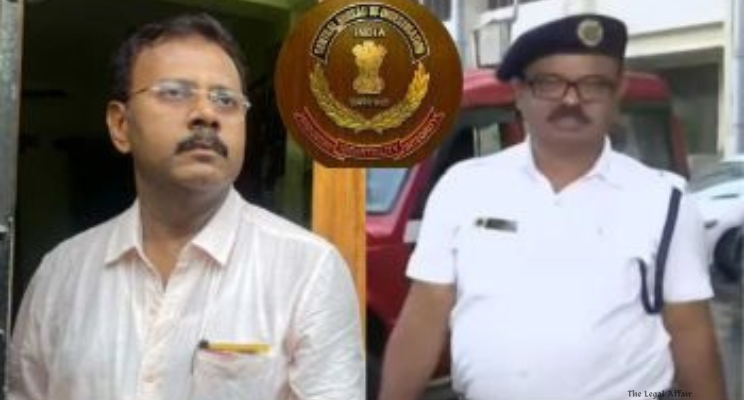
Introduction:
The Calcutta High Court has initiated proceedings on a plea calling for the resignation of former police commissioner Vineet Goyal, following allegations that he disclosed the identity of a rape-murder victim from RG Kar Hospital to the media. Chief Justice TS Sivagnanam, presiding over the case, sought responses from Goyal, the State government, and relevant central authorities. The case raises critical concerns about the privacy and rights of victims, especially in high-profile criminal cases.
Background of the Case:
The petition, filed by Anamika Pandey, challenges Vineet Goyal’s disclosure of the victim’s name, arguing it was a violation of legal protocols. The case involves a tragic incident of rape and murder that drew significant media attention. The public revelation of the victim’s identity by a senior police official is viewed as a breach of both legal and ethical standards, potentially undermining the dignity and privacy of the victim.
Petitioner’s Argument:
Senior Advocate Mahesh Jethmalani, representing the petitioner, asserted that Goyal’s disclosure was not only unethical but criminal, violating legal provisions meant to protect the identities of victims of heinous crimes. Jethmalani emphasized that the Supreme Court had issued directives to prevent the disclosure of victims’ names, and any breach of these orders could lead to severe legal repercussions. He argued that the High Court had the authority to address this matter independently of the Supreme Court’s ongoing focus on the investigation.
Jethmalani called for immediate action against Goyal, stressing the need for accountability within law enforcement and reinforcing the importance of upholding victims’ rights in sensitive cases.
Respondent’s Argument:
Representing Goyal, Senior Advocate Menaka Guruswamy contended that the supplementary affidavits submitted by the petitioners were delayed, which required more time for an adequate response. She questioned the procedural fairness of moving forward without allowing Goyal the opportunity to properly address the allegations.
Guruswamy argued that Goyal’s actions were part of an effort to ensure transparency in the investigation and not intended to compromise the victim’s identity. She highlighted the challenges posed by the intense media environment surrounding the case, asserting that the circumstances must be considered when evaluating Goyal’s conduct.
Additionally, ASG Ashok Chakrabarti, representing the central government, noted that the Department of Personnel and Training was the appropriate agency to be involved, suggesting that the matter extended beyond state jurisdiction.
Court’s Judgment:
The court, while recognizing the sensitivity of the case, underscored the need for caution in light of the Supreme Court’s involvement in related matters. Chief Justice Sivagnanam expressed concern about proceeding independently, given that the Supreme Court had already directed that the victim’s identity must not be disclosed.
The bench highlighted the delicate balance between judicial independence and compliance with higher court directives. While the court acknowledged the gravity of the allegations, it refrained from making any immediate decisions until responses from all parties were filed.
The High Court directed that Goyal, the State government, and central authorities submit their responses by November 13, 2024, with the next hearing scheduled for November 14, 2024. The case is expected to be closely monitored as it progresses, given its broader implications for victim privacy and law enforcement accountability.