


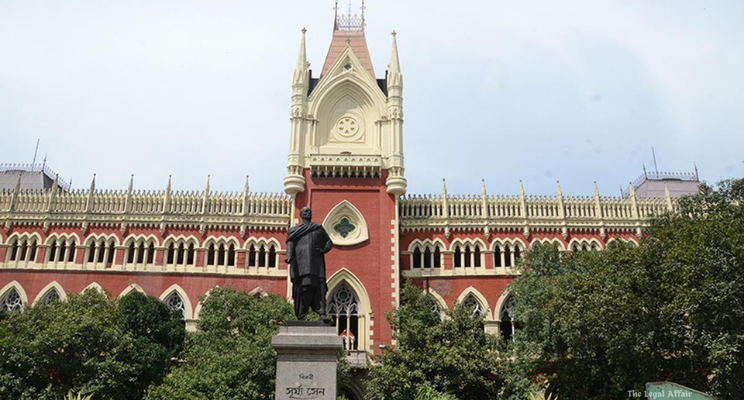
Introduction:
The Calcutta High Court recently voiced serious concerns over allegations of irregularities in college admissions and public sector recruitment in West Bengal, as highlighted in the ongoing case Nasim Akter vs. State of West Bengal and Ors. This case, a public interest litigation (PIL), brings to light purported misconduct in the admission process for B.Ed. colleges under Babasaheb Ambedkar University. Chief Justice TS Sivagnanam and Justice Hiranmay Bhattacharya underscored the pervasive nature of these issues, noting previous allegations in teacher and police recruitment processes and warning that this pattern could drive future generations out of the state in search of fair and transparent education and employment. The bench expressed exasperation with the alleged widespread administrative neglect and potential corruption, noting that the current allegations against B.Ed. Colleges raise significant concerns about oversight failures and exploitation within the education sector.
Arguments Presented by the Petitioner:
The petitioners in this case alleged a wide range of serious issues regarding the administration and management of B.Ed. Colleges across West Bengal. Represented by Nasim Akter, the petitioners highlighted a pattern of unlawful practices in college admissions and operational guidelines, including:
- Non-compliance with NCTE Guidelines: The petitioners pointed out that the B.Ed. Colleges in question, numbering between 600 and 650, have failed to meet the basic infrastructure and operational standards set by the National Council for Teacher Education (NCTE). These guidelines are mandatory to ensure quality education and adequate facilities for students, and the petitioners emphasized that neglect of these guidelines compromises educational quality and student well-being.
- Exploitative Admission Practices: According to the PIL, colleges were allegedly extorting significant sums of money from prospective students, most of which were reportedly pocketed by intermediaries. These middlemen were said to be acting in collusion with college authorities, facilitating admissions for unqualified students in exchange for large fees. This, the petitioners claimed, has not only disadvantaged eligible students but has also created an unregulated system driven by profit rather than merit.
- Lack of Transparency and Accountability: The petitioners alleged that many students admitted to these B.Ed. Programs were encountering obstacles in their careers, as many of these colleges faced issues with the renewal of their affiliations. The absence of transparency around the affiliation status of these colleges, coupled with the arbitrary admission practices, has left many students with uncertain futures, affecting their ability to secure jobs in education.
- Failure of University Oversight: The petitioners argued that the Vice-Chancellor of Babasaheb Ambedkar University bore significant responsibility for these irregularities, alleging that he had approved colleges without adequate scrutiny of their compliance with NCTE standards. This lack of oversight, the petitioners argued, constitutes a serious breach of responsibility, resulting in unqualified institutions continuing to operate without repercussion.
- Demand for a CBI Investigation: Given the gravity of these alleged irregularities, the petitioners called for an investigation by the Central Bureau of Investigation (CBI) to examine the depth and breadth of administrative failings and corruption within the state’s education sector. The petitioners argued that only an impartial investigative body such as the CBI could uncover the systemic issues in college admissions and hold those responsible accountable.
Arguments Presented by the Respondent:
Representing the state and the educational institutions in question, the respondent’s counsel presented counterarguments aimed at discrediting the claims of the petitioners and defending the actions of the state’s higher education administration. The key points raised by the respondents included:
- Challenges in State-Level Compliance: The respondent argued that while there may be challenges in meeting NCTE guidelines across all B.Ed. Colleges and the state had made significant efforts to ensure that institutions gradually moved towards compliance. The respondents claimed that the high number of B.Ed. Colleges in West Bengal have posed challenges in monitoring compliance comprehensively, but steps were being taken to address the gaps.
- Allegations of Middlemen as Unsubstantiated: The respondent disputed the existence of middlemen exploiting the admission process. According to the state’s counsel, no substantial evidence has been provided to substantiate the claim that middlemen were acting as intermediaries for college admissions and charging students excessive fees.
- Need for Internal Investigation over CBI Inquiry: Arguing that a CBI investigation would be unnecessary, the respondent contended that the state’s internal mechanisms were capable of handling allegations of administrative failings within the university system. The respondent claimed that such a probe could undermine the autonomy of educational institutions and argued instead for internal investigations led by the university’s governance structure.
- Defence of the Vice-Chancellor’s Role: The state argued that the Vice-Chancellor of Babasaheb Ambedkar University acted within his administrative capacity and had made every effort to ensure fair practices in college operations. The respondent contended that placing blame solely on the Vice-Chancellor disregarded the broader administrative and logistical challenges involved in overseeing the state’s many B.Ed. Institutions.
Court’s Observations and Judgement:
After hearing the arguments, the Calcutta High Court made a series of pointed observations, reflecting its deep dissatisfaction with the state of public education administration in West Bengal. Chief Justice TS Sivagnanam’s remarks captured the court’s frustration, as he criticized the widespread allegations of misconduct that have plagued teacher recruitment, police recruitment, and now college admissions. Key observations and judgments made by the court include:
- Frustration with Persistent Irregularities: The court voiced strong exasperation over the repetitive nature of alleged corruption cases in public sector recruitments and educational admissions in West Bengal. Referring to the allegations as part of an alarming pattern, Chief Justice Sivagnanam remarked on the demoralizing impact such irregularities could have on the state’s reputation and the future of its citizens, lamenting that future generations may have to leave the state to seek fair and lawful educational and employment opportunities.
- Affirmation of NCTE Standards: In light of the petitioner’s arguments, the court affirmed the critical importance of adhering to NCTE guidelines, emphasizing that compliance with these guidelines is mandatory for maintaining educational standards and protecting students’ rights. The court underscored that the apparent disregard for these standards within B.Ed. Colleges constitute a breach of responsibility, warranting investigation and corrective measures.
- Demand for Transparency in Admissions and Fees: The court expressed serious concern over allegations of “extortionate” fees charged by colleges and the involvement of middlemen, warning that any proven cases of such malpractice would face strict judicial repercussions. Chief Justice Sivagnanam criticized the lack of transparency in admissions, noting that the arbitrary nature of these practices undermines trust in the education system and deprives students of a fair selection process.
- Orders for Inquiry and Affidavit Filing: Recognizing the seriousness of the allegations and the administrative challenges involved, the court granted two weeks for the involved parties to submit affidavits detailing their responses and evidence related to the case. The court’s directive to produce affidavits signals its intention to undertake a detailed examination of the alleged irregularities and the failures within the university administration.
- Call for Accountability from the Vice-Chancellor: In its critique of the Vice-Chancellor’s alleged complicity in overlooking non-compliant B.Ed. Institutions, the court suggested that the university head should be held accountable for failure to enforce standards. The Chief Justice suggested that immediate removal of the Vice-Chancellor may be necessary if it were found that he knowingly permitted the operation of unqualified institutions without requisite checks.
Potential for Further Judicial Action: The court did not rule out the possibility of ordering a CBI investigation if initial inquiries indicate sufficient grounds for criminal misconduct or pervasive corruption. Such a step, the court noted, would be warranted only if internal investigations fail to demonstrate the transparency and efficacy needed to restore confidence in the state’s educational administration.
- Broader Implications of the Ruling:
The judgment of the Calcutta High Court carries substantial implications for the structure and integrity of public education administration within West Bengal. The case reflects the court’s commitment to curbing the alleged corruption and mismanagement that, if left unchecked, could significantly degrade the quality and accessibility of education in the state. By signalling potential punitive measures for non-compliance with NCTE guidelines and enforcing accountability within university administrations, the ruling serves as a powerful message to educational institutions across the state to adhere strictly to regulatory standards and prioritize transparency.
Moreover, the court’s stance underscores the critical role of judicial intervention in upholding fairness within public service appointments and education admissions, particularly when administrative negligence or alleged corruption undermines these processes. If a CBI investigation is eventually ordered, it would further underline the court’s commitment to systemic reforms in West Bengal’s educational sector, potentially paving the way for more stringent oversight mechanisms and reformed institutional practices.