


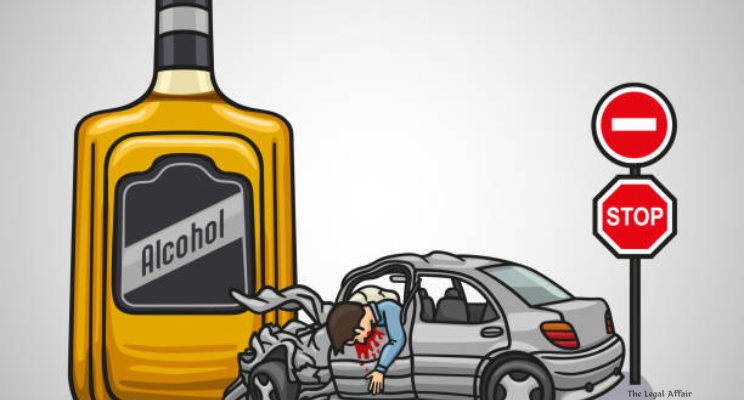
Introduction:
The Calcutta High Court, through Justice Tirthankar Ghosh, emphasized the need for stricter legal measures against drunken driving resulting in accidents, directing state advocates to invoke Section 304(II) IPC (culpable homicide not amounting to murder) instead of Section 304(A) (causing death by negligence) in such cases. This directive arose during the hearing of a petition filed by a grieving father, SK Osi, whose son tragically lost his life in an accident caused by a drunken driver. The case centred on the lack of adequate legal action and proper investigation by the police authorities. Justice Ghosh observed that the act of driving under the influence transcends ordinary recklessness, constituting a deliberate disregard for human life and safety. The court granted liberty to the state to modify the charges before the Additional Chief Judicial Magistrate (ACJM) and advised the petitioner to seek remedies from the jurisdictional magistrate if dissatisfied with the ongoing investigation. The petition was subsequently disposed of with these observations.
Arguments of Both Sides:
The petitioner’s counsel argued that the police failed to register a case promptly following the fatal accident, reflecting gross negligence. Highlighting the seriousness of the incident, it was urged that mere charges under Section 304(A) IPC were insufficient, as drunken driving demonstrates a higher degree of culpability. The counsel argued for charges under Section 304(II) IPC, emphasizing the need for justice and accountability.
On the other hand, the state defended its actions, arguing that the case was eventually registered, and investigative proceedings were underway. The state counsel assured the court of its commitment to conducting a fair investigation while seeking to balance the evidentiary requirements of criminal charges. However, the court found this approach insufficient, stressing the need for rigorous application of the law to address the reckless endangerment posed by drunken driving.
Court’s Observations and Judgment:
Justice Tirthankar Ghosh underscored that drunken driving accidents resulting in death demand a stricter interpretation of criminal liability. The court highlighted that a person choosing to drive after consuming alcohol is fully aware of the potential consequences, which surpasses mere recklessness and enters the realm of culpability. Referring to settled legal principles, the court observed that driving under the influence of alcohol demonstrates an inherent disregard for life and safety, which warrants the application of Section 304(II) IPC (culpable homicide not amounting to murder). This provision acknowledges the driver’s knowledge that their actions could result in fatal consequences.
Justice Ghosh clarified that normal reckless driving, where no alcohol is involved, could be addressed under Section 304(A) IPC. However, in cases where intoxication is a factor, the act ceases to be mere negligence and requires stricter scrutiny. The court noted that the act of drinking and driving inherently carries foreseeability of harm, thus meeting the threshold for culpability under Section 304(II).
Addressing the procedural aspects, the court pointed out the lapse on the part of the police in failing to register a case immediately after the accident. This delay raised questions about the diligence and seriousness of the investigation. Justice Ghosh directed the state to ensure that appropriate charges were framed against the accused and allowed the petitioner liberty to approach the jurisdictional magistrate for redress if dissatisfied with the investigation’s progress or conclusions.
The court ultimately disposed of the petition, emphasizing the importance of holding offenders accountable under the correct provisions of law to deter future instances of drunken driving and ensure justice for victims.