


Introduction:
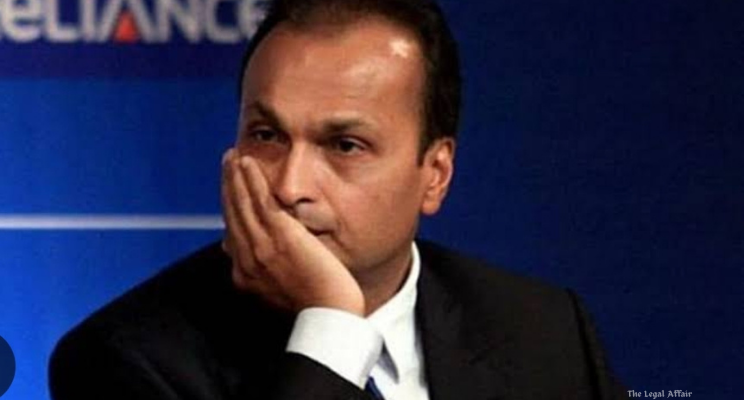
In a significant relief to industrialist Anil Ambani, the Bombay High Court stayed the order passed by Canara Bank, which had classified the loan account of Reliance Communications and its subsidiaries as “fraudulent.” The division bench of Justices Revati Mohite-Dere and Dr Neela Gokhale noted that the bank’s action was in direct contravention of the Reserve Bank of India’s (RBI) Master Circular on fraud accounts and violation of the Supreme Court’s ruling mandating a fair hearing before such classifications. The Court strongly questioned the repeated defiance of these legal requirements by banks and sought a response from the RBI on whether any action would be taken against non-compliant institutions. The judges also referenced a previous order where the High Court had stayed a similar fraud classification against an independent director of Reliance Communications, indicating a pattern of procedural lapses by the bank.
Arguments of Both Sides:
Anil Ambani, represented by Senior Advocate Gaurav Joshi, argued that the bank had violated fundamental principles of natural justice by not allowing him to be heard before classifying his loan account as fraudulent. He pointed out that while Canara Bank claimed to have passed the fraud classification order on September 6, 2024, it was only communicated to him in December—more than a month after the High Court had issued a similar order against an independent director of Reliance Communications. The petitioner contended that this delay suggested a deliberate attempt to sidestep judicial scrutiny. Joshi further emphasized that the show cause notice issued in October 2023 had been responded to, yet the bank refused to provide critical documents, including the forensic report that allegedly formed the basis of the classification. This lack of transparency, he argued, undermined Ambani’s right to an effective defence. Additionally, Joshi pointed out that Canara Bank had still not formulated an internal policy for fraud classification, as mandated by RBI guidelines. This, he claimed, rendered the bank’s actions arbitrary and legally untenable.
On the other hand, Canara Bank maintained that it had acted by due process. The bank’s counsel asserted that the fraud classification order was passed on September 6, 2024, and communicated to the RBI only after its issuance. The bank denied any deliberate suppression of information and argued that the delay in informing Ambani was due to procedural requirements. It insisted that the classification was based on financial irregularities involving a Rs 1,050 crore loan extended to Reliance Communications in 2017. The bank further contended that the requirement of a hearing did not extend to fraud classification decisions made in cases involving alleged misappropriation of funds. However, this stance was met with scepticism by the Court, which questioned whether the bank had deliberately ignored Supreme Court and RBI directives.
Court’s Judgment:
The Bombay High Court, after considering both sides, ruled in favour of staying Canara Bank’s fraud classification order. The bench held that the bank’s actions were in direct violation of the Supreme Court’s ruling and the RBI’s Master Circular, both of which explicitly require that borrowers be allowed to present their case before being classified as fraudulent. The Court expressed serious concerns over the repeated non-compliance by banks and demanded to know from the RBI whether it planned to take action against such institutions. The judges observed that banks could not operate without accountability and had a duty to adhere to the legal framework established by the Supreme Court and the RBI. The Court further noted that the delay in communicating the fraud classification order to Ambani, especially after a similar order had been stayed for an independent director of Reliance Communications, raised questions about the bank’s intent. Additionally, the absence of an internal fraud classification policy within Canara Bank, despite RBI’s directives, was deemed a major procedural lapse. The bench adjourned the matter till March 6 and directed the bank to file a detailed response to Ambani’s petition. It also ordered the addition of RBI as a respondent, signalling that regulatory oversight on such issues needed to be strengthened. This ruling underscores the judiciary’s firm stance on protecting borrowers’ rights against arbitrary actions by banks while reinforcing the need for strict adherence to procedural safeguards.