


Introduction:
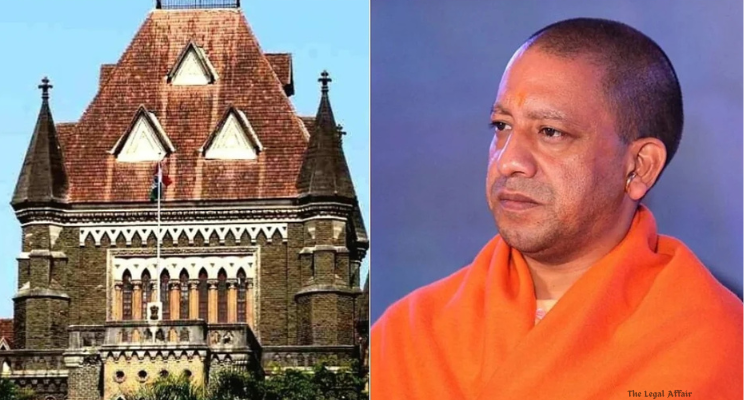
In the Bombay High Court case concerning the film Ajey: The Untold Story of a Yogi, Samrat Cinematics India Pvt. Ltd. (filmmakers) approached the court against the Central Board of Film Certification (CBFC), alleging arbitrary denial of certification and an unlawful demand for a No Objection Certificate (NOC) from the Uttar Pradesh Chief Minister. A Division Bench of Justices Revati Mohite‑Dere and Dr. Neela Gokhale took a firm stand, emphasizing that the CBFC cannot insist upon political endorsements and must adhere to statutory procedures under the Cinematograph Act, 1952 and its rules. The bench directed CBFC to divulge specific objectionable content, required the filmmakers to approach the Revising Committee, and imposed strict timelines for resolution ahead of the movie’s proposed August 1 release.
Arguments of the Filmmakers:
Represented by Advocates Aseem Naphade, Satatya Anand, and Nikhil Aradhe, the filmmakers argued that the CBFC had engaged in unreasonable, unexplained, and arbitrary delay in certifying their film, despite their full compliance. They contended that the film—based on the publicly available 2017 book The Monk Who Became Chief Minister—warranted a timely screening and certification as per Rule 37 of the Certification Rules, which mandates initial scrutiny within 7 days and referral for screening within 15 days, especially under the ‘priority scheme’. Moreover, they decried the CBFC’s demand for an NOC from the CM’s office—a requirement absent in law—as prejudicial to their creative and financial interests. The filmmakers asserted that the board had rejected their application without even viewing the film, violating the rules which oblige the CBFC to specify the scenes or dialogues deemed objectionable so they might be addressed.
Arguments/Position of the CBFC:
Senior Advocate Abhay Khandeparkar, representing the CBFC, submitted that the rejection order was passed after screening the film and thus was reasonable. The chairperson’s conduct—suggesting the filmmakers seek an appointment with the CM—was portrayed as advisory, not mandatory. The CBFC maintained that the film’s portrayal might be defamatory or objectionable, and the medium of film carries greater impact than the book. They urged that CBFC’s discretion in certification should not be interfered with. The CBFC invited the filmmakers to apply to its Revising Committee for an appeal against the rejection.
Court’s Judgment and Directions:
The Bench forcefully reprimanded the CBFC, stating: “You will not insist on any certificate or affidavit from any authority for certifying the film”. The Court underscored that rejecting a film—especially one based on a public figure holding constitutional office—without detailing objectionable content is contrary to the rules. It observed that if no objection existed when the book was in the public domain, invoking public order to block the film was unsustainable. The bench directed the filmmakers to file their application before the Revising Committee on August 8, ordering the CBFC to disclose within August 11 the scenes and dialogues it deemed objectionable. The filmmakers must then communicate their remedial plans by August 12, with a final decision by August 13, all pursuant to statutory norms. Earlier, the court had also taken strong note of CBFC’s failure to screen the film and demanded adherence to timelines mandated by law.
This judgment affirmed that CBFC cannot impose external political conditions, must act within defined timelines, and must provide reasoned objections as per the Cinematograph Act and rules, thereby preventing undue censorship and ensuring procedural fairness.