


Introduction:
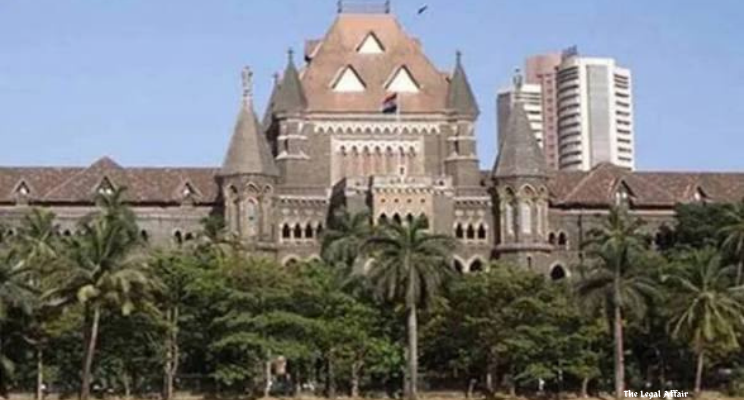
The Bombay High Court has called upon the Reserve Bank of India (RBI) and the Union Government to examine the need for a clear regulatory framework governing private entities that advertise debt-management services and promise borrowers relief from outstanding loans. The Court observed that a distinction must be drawn between legitimate assistance, such as loan restructuring and settlement support, and misleading campaigns that induce borrowers to believe that their repayment obligations can be completely extinguished.
A Division Bench comprising Justice Bharati Dangre and Justice Ashish S. Chavan made these observations while hearing a writ petition filed by Bajaj Finance Ltd. against the Union of India and other respondents. The petition, registered as Bajaj Finance Ltd. v. Union of India, Writ Petition No. 5224 of 2022, concerned advertisements and campaigns by private entities offering Debt Management Plans, loan settlements, foreclosure assistance and legal services to borrowers.
The case raises an important regulatory question in the financial services sector: to what extent can private intermediaries advertise services intended to help borrowers manage or settle their existing loans, and when do such claims cross the line into misleading representations or prohibited activities?
Debt-management services can serve a legitimate purpose. Borrowers facing financial difficulties may seek professional assistance to understand their repayment obligations, negotiate with lenders, explore restructuring options or obtain advice about available legal remedies. However, the position becomes different when an intermediary advertises that it can ensure a loan waiver, guarantee a substantial reduction in outstanding dues or relieve a borrower of the obligation to repay a loan altogether.
Such representations can create unrealistic expectations, particularly among financially distressed borrowers who may be vulnerable to attractive promises of immediate relief. A borrower who believes that an intermediary can eliminate an outstanding loan may pay substantial fees or stop making repayments, without understanding that any settlement or restructuring ultimately depends on the lending institution and the applicable contractual and regulatory framework.
During the proceedings, the High Court examined an affidavit filed by the Union Government referring to measures undertaken by the Indian Cyber Crime Coordination Centre (I4C), functioning under the Ministry of Home Affairs, and the National Cyber Crime Reporting Portal. The affidavit primarily addressed illegal digital lending applications and the harmful practices associated with them, including excessive processing charges, exorbitant interest rates, misuse of personal information and coercive recovery methods.
The Bench, however, found that the affidavit did not sufficiently address the particular issue raised in the petition. The concern was not limited to illegal digital lending applications but extended to entities advertising debt-management plans and promising loan settlements or complete extinguishment of borrowers’ liabilities.
The Court also considered affidavits filed by certain private entities. These respondents explained that their services were limited to assisting consumers in obtaining loans, restructuring existing liabilities or negotiating settlements. They maintained that the ultimate decision regarding any restructuring or settlement remained with the lending bank and that they merely provided guidance and assistance to borrowers.
The High Court considered that these different activities could not be treated alike. Genuine assistance in negotiating with lenders may be permissible, whereas advertisements suggesting that an intermediary can unilaterally cancel a loan or guarantee that repayment will no longer be required may raise serious concerns.
The Court therefore sought a report from the RBI and the Union Government examining whether a regulatory mechanism could clearly distinguish permissible debt-management assistance from misleading or prohibited practices. It also directed that the proposed framework be examined before criminal liability was fastened on the concerned respondents, so that the legal boundaries of permissible and impermissible conduct could first be identified.
The matter is significant because it concerns both consumer protection and the regulation of financial services. While borrowers should be protected against deceptive advertisements and exploitative intermediaries, legitimate service providers should also have clarity about the activities they may lawfully undertake and advertise.
Arguments of the Parties:
Bajaj Finance Ltd., the petitioner, approached the Bombay High Court raising concerns regarding campaigns conducted by certain private entities offering Debt Management Plans, loan settlements, foreclosure assistance and legal services to borrowers.
The petition brought the Court’s attention to the manner in which these entities advertised their services to persons who had outstanding loan obligations. Such campaigns could potentially create the impression that borrowers could obtain a waiver or complete discharge of their liabilities by engaging the services of an intermediary.
The concern was particularly relevant where advertisements went beyond offering assistance in communicating with lenders or negotiating repayment terms and instead suggested that the borrower would no longer be required to repay the loan. Claims of this nature could mislead consumers into believing that a private entity had the authority or ability to extinguish a contractual liability owed to a bank or financial institution.
The petitioner’s challenge therefore raised questions about the nature of representations being made to borrowers, the legitimacy of the services offered and the need for appropriate regulatory oversight. The issue was not simply whether private entities could assist borrowers in managing financial difficulties, but whether such assistance was being advertised in a manner that could misrepresent the actual legal and financial consequences.
The Union Government filed an affidavit referring to the work undertaken by the Indian Cyber Crime Coordination Centre under the Ministry of Home Affairs and the National Cyber Crime Reporting Portal. The affidavit described measures addressing illegal digital lending applications and associated misconduct.
The activities highlighted included the charging of excessive processing fees and exorbitant interest, misuse of borrowers’ personal data, and harassment, blackmail or coercive practices in connection with loan recovery. These concerns formed part of the broader government response to unlawful digital lending activities and the exploitation of borrowers.
However, the High Court found that the affidavit did not adequately address the specific issue raised in the petition. The measures described primarily concerned illegal lending applications and coercive recovery practices, whereas the present dispute involved entities advertising debt-management plans and promising loan settlements or extinguishment.
The affidavit did not indicate whether the Union Government or the RBI had proposed a regulatory mechanism specifically addressing the distinction between permissible borrower assistance and misleading debt-waiver advertisements.
Certain private respondents also placed their position before the Court through affidavits. They explained that their business activities involved assisting consumers in obtaining loans, restructuring existing loans or negotiating settlements with lending institutions.
Their position was that they did not themselves possess the authority to waive or extinguish a borrower’s loan liability. Instead, they provided hand-holding assistance to consumers who were facing difficulties in dealing with lenders. The ultimate decision regarding any restructuring, settlement or other concession, according to them, rested with the concerned bank or financial institution.
These entities sought to distinguish their services from representations that directly guaranteed loan cancellation. Their explanation was that providing assistance or facilitating communication between a borrower and a lender should not automatically be treated as an unlawful activity merely because the service related to outstanding debt.
The distinction was important because legitimate debt-management assistance may involve helping a borrower understand available options, prepare proposals for restructuring or approach a lender for a negotiated settlement. Such services do not necessarily mean that the intermediary has promised a guaranteed waiver or has assumed the lender’s authority to alter the loan agreement.
At the same time, the Court took note of advertisements that appeared to make substantially broader promises. Some entities were allegedly attracting customers by claiming that they could help borrowers get rid of their loans altogether or secure reduced interest rates. Certain advertisements reportedly went so far as to suggest that consumers would not have to repay their loans at all.
The Court considered that such claims required closer examination. A promise of complete loan extinguishment is materially different from an offer to assist a borrower in negotiating with a lender. The former may create an impression of guaranteed relief, while the latter recognises that any settlement or restructuring remains subject to the lender’s decision and the applicable legal framework.
The available case summary does not record separate detailed oral submissions by every respondent or a final determination of the legality of each advertisement. The central issue before the Court was whether a regulatory framework could establish clear boundaries between legitimate debt-management services and potentially misleading or prohibited activities.
Court’s Judgment:
The Division Bench of Justice Bharati Dangre and Justice Ashish S. Chavan considered that the issue required a regulatory response capable of distinguishing legitimate borrower assistance from misleading representations concerning loan repayment obligations.
The Court recognised that debt-management services cannot be treated as a single, uniform category. Some intermediaries may genuinely assist borrowers in approaching financial institutions, exploring restructuring possibilities or negotiating settlements. Others may advertise services in a manner that suggests they can guarantee the cancellation of outstanding liabilities or ensure that borrowers will never have to repay their loans.
The distinction between these activities is essential. A private intermediary may assist a borrower in presenting a settlement proposal to a lender, but it cannot automatically claim that the lender will accept the proposal. Similarly, providing legal or financial guidance does not itself confer authority to extinguish a contractual debt.
The Bench therefore considered that the RBI and the Union Government should examine whether a regulatory framework could clearly identify the activities that are permissible and those that should be prohibited.
The Court observed:
“… it would be necessary to have a clear demarcation as to what is permissible and what is not. It is for this purpose that we have called upon the Reserve Bank of India and the Union of India to respond as to whether any regulatory framework can resolve this issue. Unfortunately, the affidavit is not indicative of any such suggestion or plan being in the pipeline.”
This observation highlights the Court’s concern that the existing response placed before it did not sufficiently address the specific regulatory gap raised in the petition. Although the Union Government had referred to measures against illegal digital lending applications, the Court wanted a more focused examination of entities advertising debt-management plans and loan-waiver services.
The Bench noted that the problem could not be resolved merely by examining whether an intermediary was involved in a financial transaction. It was necessary to consider what the intermediary actually promised, how its services were represented to consumers and whether its advertisements created a misleading impression about the borrower’s legal obligations.
The Court was particularly concerned about advertisements that claimed consumers could get rid of their loans altogether or avoid repayment completely. Such statements could have serious consequences for borrowers who are already under financial pressure. A person facing repayment difficulties may be persuaded to pay an intermediary for a service that cannot deliver the promised outcome.
The Court accordingly emphasised the need to identify the permissible limits of advertising and borrower assistance under the RBI’s regulatory framework.
It remarked:
“… it will probably be necessary to segregate what is permissible under the Reserve Bank of India’s regulations and to what extent advertisements or hand-holding assistance to a consumer/borrower can be allowed… we intend to develop a mechanism that clearly demarcates two categories, namely, the permissible limits of advertising and assisting borrowers, and the activities that are prohibited.”
The proposed distinction is significant because it seeks to protect borrowers without automatically treating all debt-management intermediaries as unlawful. A blanket approach could fail to distinguish between genuine assistance and deceptive promises. On the other hand, the absence of clear regulatory boundaries could allow misleading operators to exploit consumers who are unable to meet their repayment obligations.
The Court’s approach therefore focuses on defining the legal limits of the services that may be offered. It expects the regulatory authorities to examine whether existing RBI regulations adequately cover such activities or whether further clarification or a dedicated mechanism is required.
The Bench also considered the Union Government’s affidavit concerning the work of the Indian Cyber Crime Coordination Centre and the National Cyber Crime Reporting Portal. The affidavit addressed illegal digital lending applications and the associated problems of excessive charges, misuse of personal information and coercive recovery.
While acknowledging the relevance of these initiatives to borrower protection, the Court found that they did not fully answer the question before it. The problem of misleading debt-management advertisements required separate consideration because the entities involved may not necessarily be functioning as digital lenders. Their activities could instead involve offering assistance to borrowers who already have loans from banks or financial institutions.
The Court’s observations therefore distinguish between illegal lending practices and potentially misleading debt-management services. Both may harm consumers, but they raise different regulatory questions and may require different enforcement responses.
An important aspect of the order concerns the timing of any action that could result in criminal liability for the concerned respondents. The Court directed that the proposed report should be placed before it before criminal liability was fastened, so that the permissible and prohibited activities could first be clearly demarcated.
This direction reflects the importance of regulatory clarity when determining whether a particular business activity amounts to unlawful conduct. Where the legal boundaries of permissible debt-management assistance are unclear, the authorities must examine the applicable regulatory position before treating the disputed activity as criminal.
The direction does not amount to a final declaration that the advertisements or activities of the respondents are lawful. Nor does it establish that all entities offering debt-management plans are entitled to operate without regulatory scrutiny. Instead, the Court has sought a considered examination of the issue by the relevant authorities so that the distinction between legitimate assistance and prohibited conduct can be established.
Pending receipt of the report, the Court directed that no action be initiated against Respondent Nos. 6, 7 and 10. This interim protection was granted in the context of the Court’s decision to first obtain clarity on the regulatory framework and the permissible scope of the activities in question.
The Bench directed that the report be filed on or before December 5, 2026, with copies served in advance on all concerned parties. The matter was listed for further hearing on December 8, 2026.
The report is expected to address whether an appropriate regulatory mechanism can be developed to govern the advertising and provision of debt-management assistance. In particular, the authorities will have to examine the extent to which intermediaries can advertise their ability to assist borrowers, what representations may legitimately be made regarding settlements or restructuring, and what kinds of claims should be treated as misleading or prohibited.
The judgment also raises an important consumer-protection concern. Borrowers experiencing financial distress may be particularly susceptible to advertisements promising immediate relief from debt. A claim that a loan can be cancelled or that repayment can be avoided altogether may influence a consumer’s financial decisions, potentially causing further losses if the promised result does not materialise.
At the same time, borrowers may legitimately require professional assistance in dealing with lenders. Negotiating a settlement, seeking restructuring or obtaining legal advice can be meaningful options in appropriate circumstances. A regulatory framework should therefore preserve access to genuine assistance while preventing intermediaries from making claims that exceed their actual authority or misrepresent the consequences of their services.
The RBI’s role is particularly relevant because of its regulatory responsibility in the financial sector. A clear framework could help identify the standards that intermediaries must follow, the representations they may make in advertisements and the limits of their involvement in negotiations between borrowers and regulated lending institutions.
The Union Government’s participation is also important because misleading online campaigns may overlap with broader concerns about digital fraud and cybercrime. Effective regulation may require coordination between financial regulators, government departments and enforcement authorities.
Ultimately, the Bombay High Court has sought to address the issue through regulatory clarity rather than an immediate blanket conclusion against the concerned entities. Its directions recognise the need to protect borrowers from deceptive loan-waiver promises while ensuring that legitimate debt-management services are not unnecessarily treated as prohibited. The forthcoming report from the RBI and the Union Government will be important in determining how this distinction can be translated into a workable regulatory mechanism.