


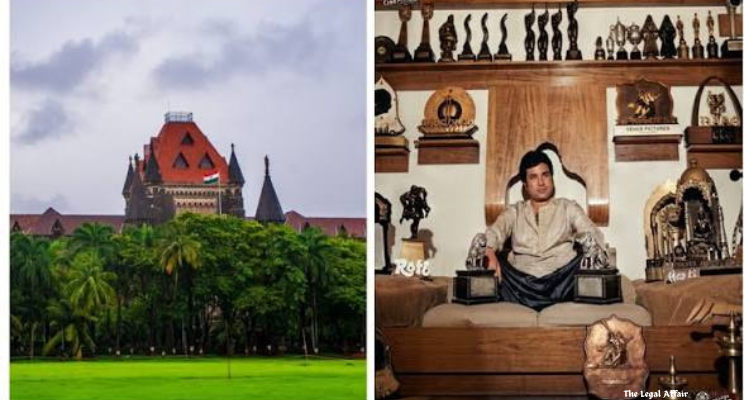
Introduction:
In Shashi Kiran Shetty v. Scoopwhoop Media Pvt. Ltd. [Suit (L) No. 18587 of 2026, 2026 LiveLaw (Bom) 351], the Bombay High Court granted ad-interim relief to the owner of the iconic “Ashirwad” bungalow, restraining several media houses and YouTube channels from publishing or circulating content describing the property as “haunted,” “cursed,” “unlucky,” or “ill-omened.” Justice Arif Doctor held that such publications were prima facie defamatory and capable of infringing the plaintiff’s right to live peacefully with dignity.
The dispute concerned the famous “Ashirwad” bungalow situated on Carter Road, Bandra, which was once owned by Bollywood superstar Rajesh Khanna. After purchasing the property, businessman Shashi Kiran Shetty demolished the old structure and constructed a new building while retaining the historic name “Ashirwad.” According to the plaintiff, despite the reconstruction, several media organisations and digital platforms continued publishing videos and reports portraying the bungalow as cursed and haunted, alleging that it had negatively affected the careers of celebrities associated with it. Some publications even listed it among Mumbai’s allegedly haunted locations.
Aggrieved by these reports, the plaintiff approached the Bombay High Court seeking an injunction restraining further publication of such content and directing removal of the allegedly defamatory material. The suit raised important questions regarding the balance between freedom of expression and the protection of an individual’s reputation, dignity and peaceful enjoyment of property.
Arguments of the Parties:
The plaintiff submitted that the repeated portrayal of “Ashirwad” as a haunted or cursed property had no factual basis and was created solely to generate sensational content. It was argued that these publications directly affected his personal reputation and his peaceful enjoyment of the property. The plaintiff contended that although the bungalow had been reconstructed, he had continued using the name “Ashirwad,” and therefore the defamatory statements were understood by the public to refer to the property presently owned and occupied by him.
The plaintiff further argued that describing the bungalow as cursed or haunted not only tarnished the image of the property but also subjected him and his family to unnecessary public attention and mental distress. It was submitted that such publications violated his right to dignity and privacy and amounted to defamation under civil law. The plaintiff therefore sought an interim injunction restraining further dissemination of such content and requested directions for removal of the existing videos and reports.
Despite being served with notice, none of the concerned media houses or YouTube channels appeared before the Court to justify or defend the impugned publications at the stage of considering interim relief. Consequently, no material was placed before the Court to establish the factual basis or legal justification for describing the property as haunted, cursed or ill-fated.
Court’s Judgment:
After considering the pleadings and material placed on record, Justice Arif Doctor held that the plaintiff had established a strong prima facie case for grant of ad-interim protection. The Court observed that the publications describing the bungalow as haunted, cursed, unlucky or ill-omened were prima facie defamatory and directly affected the plaintiff’s reputation as well as his right to live peacefully with dignity.
The Court noted that the impugned reports suggested that the plaintiff resided in a haunted and cursed property without any apparent factual foundation. Such statements were capable of lowering the plaintiff’s reputation in the eyes of society and causing unnecessary stigma. The Court observed that publications of this nature extended beyond legitimate reporting and appeared intended to create sensationalism at the expense of the plaintiff.
A significant factor that weighed with the Court was the complete absence of any defence from the respondents. Although notices had been served, none of the media organisations or YouTube channels appeared to explain, justify or substantiate the offending publications. In these circumstances, the Court found no reason to deny interim protection to the plaintiff.
Justice Doctor further observed that the plaintiff’s right to dignity forms an integral aspect of constitutional values and deserves protection against unwarranted defamatory attacks. The Court held that publications portraying the property as haunted or cursed, without supporting material, had the potential to interfere with the plaintiff’s peaceful enjoyment of his residence and to adversely affect his reputation.
Holding that the balance of convenience lay in favour of the plaintiff and that irreparable harm could result if such publications continued during the pendency of the suit, the Court restrained the respondents from publishing or circulating defamatory content describing the bungalow as “haunted,” “cursed,” “unlucky,” or “ill-omened.” The Court also directed the respondents to file their replies before the next date of hearing, which has been scheduled for 21 August 2026.
The order serves as a reminder that while the media enjoys the constitutional right to freedom of speech and expression, that freedom carries corresponding responsibilities. Courts may intervene where publications, lacking factual basis, cross the line into defamation and unjustifiably interfere with an individual’s reputation, dignity and peaceful enjoyment of property. The final determination of the dispute will be made after considering the respondents’ defence, but until then, the Bombay High Court has ensured interim protection against publications that it found to be prima facie defamatory.