


Introduction:
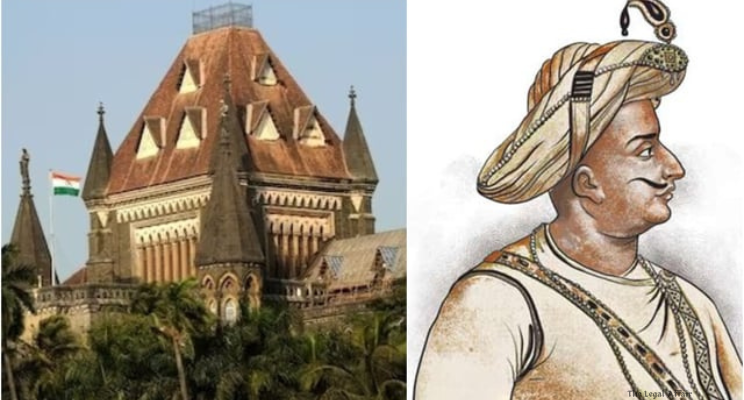
The Bombay High Court addressed a petition filed by Faiyaz Shaikh, Pune President of the All India Majlis-e-Ittehadul Muslimeen (AIMIM), seeking permission to hold a rally commemorating the birth anniversaries of Mysore King Tipu Sultan, Bharat Ratna Maulana Azad, and Constitution Day. The plea arose after Pune Rural Police denied permission for the Tipu Sultan segment of the rally, citing potential law and order issues based on objections from certain community groups. The bench, consisting of Justices Revati Mohite-Dere and Shivkumar Dige, critically examined the refusal, questioning whether there was any state prohibition against celebrating Tipu Sultan’s birth anniversary. The Court directed the petitioner and police to collaborate on determining a suitable route for the rally while emphasizing that maintaining law and order is the responsibility of the police and cannot be a pretext to deny such celebrations.
Arguments by the Petitioner:
Faiyaz Shaikh, representing AIMIM, argued that the rally was meant to honor three significant occasions: the birth anniversaries of Maulana Azad and Tipu Sultan, alongside Constitution Day. He contended that denying permission infringed on their constitutional rights to freedom of speech, expression, and peaceful assembly. Highlighting that there is no official prohibition on celebrating Tipu Sultan’s birth anniversary, the petitioner claimed the denial was arbitrary and discriminatory. Shaikh further emphasized that the purpose of the rally was to foster unity and commemorate national and historical figures who contributed significantly to India’s heritage and independence.
The petitioner maintained that the police’s refusal was based solely on speculative fears of law and order disruption instigated by opposition from certain groups. He argued that such objections should not override their constitutional rights, and the police should instead ensure adequate security and maintain order during the event. Shaikh requested the Court to direct the authorities to allow the rally with appropriate safeguards and route adjustments, if necessary.
Arguments by the Respondents:
The Pune Rural Police, represented by Additional Public Prosecutor (APP) Kranti Hivrale, defended the decision to deny permission for the Tipu Sultan segment of the rally. The police cited multiple objections from “other community” groups, warning of potential law and order issues if the rally included celebrations of Tipu Sultan’s anniversary. Hivrale clarified that while there is no official state ban on celebrating Tipu Sultan’s birth anniversary, the refusal stemmed from a preventive approach to avoid communal unrest.
The respondents suggested that the petitioner could celebrate Tipu Sultan’s birth anniversary at a private location to avoid public disruption. They reiterated that their primary concern was ensuring public safety and maintaining communal harmony, particularly in light of the sensitive nature of objections received. The police also emphasized their discretionary authority to regulate public gatherings and rallies under such circumstances to prevent violence and unrest.
Court’s Judgment:
The Bombay High Court critically examined the arguments and rejected the blanket denial of permission for the rally. Justice Revati Mohite-Dere questioned the legitimacy of the police’s objections, stating that law and order maintenance is the prerogative of the police and cannot be used as a pretext to curtail constitutional freedoms. The bench emphasized that the petitioner sought permission not just for Tipu Sultan’s anniversary but also for Constitution Day and Maulana Azad’s birth anniversary, highlighting the broader purpose of the rally.
The Court clarified that there is no ban on celebrating Tipu Sultan’s birth anniversary and questioned why the police imposed such restrictions. It noted that the police could regulate the rally route and impose conditions to ensure order rather than denying permission outright. Justice Mohite-Dere explained that denying public celebrations infringes on the petitioner’s rights under Articles 19(1)(a) (freedom of speech and expression) and 19(1)(b) (right to assemble peacefully).
The Court directed the petitioner and Superintendent of Police (SP) Pankaj Deshmukh to discuss and finalize a suitable route for the rally. It underscored that law enforcement agencies have the responsibility to address objections and manage potential disruptions, rather than preemptively curbing citizens’ rights. The Court further stated that if any untoward incident occurs or derogatory language is used during the rally, the police are free to register FIRs against the offenders.
The bench adjourned the hearing until December 17, instructing the petitioner to meet with SP Deshmukh to determine an appropriate area for conducting the rally. It reiterated that the police must facilitate such events by ensuring adequate security rather than resorting to prohibitive measures.