


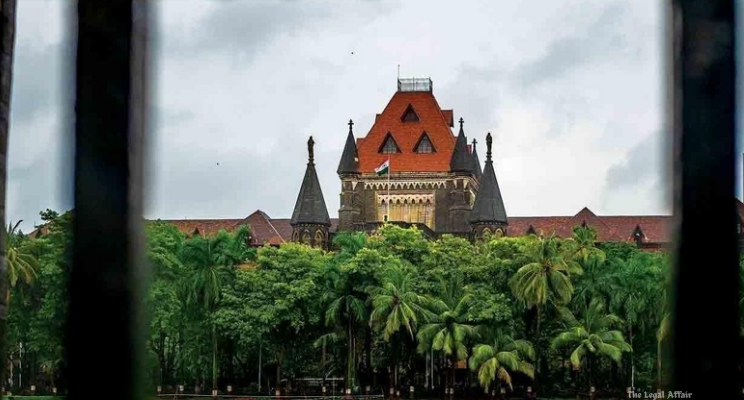
Introduction:
The Bombay High Court recently addressed the ongoing issue of potholes across Mumbai and its neighboring cities, stemming from a contempt of court petition. A division bench comprising Chief Justice Devendra Kumar Upadhyay and Justice Amit Borkar expressed their inclination to close the proceedings due to the influx of intervenors at each hearing. Advocate Ruju Thakker, appearing as a party in-person, highlighted the severe consequences of potholes, including multiple deaths. The court emphasized that the constant inclusion of new parties detracts from addressing the core issue effectively.
Arguments of Both Sides:
Advocate Ruju Thakker, representing herself, presented the dire consequences of the pothole situation in Mumbai, citing numerous deaths caused by these hazards. Thakker argued that the petition serves a larger public interest and that closing it due to multiple intervenors would undermine its significance. She contended that the presence of multiple litigants should not be a reason to dismiss the ongoing proceedings. Thakker asserted that the civic officials had deliberately failed to adhere to the norms and that their inaction should attract contempt charges. She urged the court not to close the matter, emphasizing the gravity of the issue and its impact on public safety.
Court’s and Authorities’ Arguments:
The division bench, led by Chief Justice Devendra Kumar Upadhyay, expressed frustration over the frequent appearance of intervenors, which hinders the court’s ability to focus on the primary issue. The bench observed that the continuous inclusion of new parties consumes significant court time and resources, making it challenging to adjudicate the main issue effectively. The Chief Justice noted that the petition has served a broader interest but did not meet the threshold for contempt. He suggested that liability for damages or other legal actions might be appropriate, but not contempt. The bench acknowledged the importance of the issue but emphasized the practical difficulties in managing such cases with multiple intervenors.
Court’s Judgment:
The Bombay High Court acknowledged the critical issue of potholes affecting Mumbai and neighboring cities but highlighted the procedural challenges posed by the frequent appearance of intervenors. The court noted that each hearing sees at least ten new intervenors seeking to be impleaded, which diverts focus from the main issue. Chief Justice Upadhyay emphasized that continuing in this manner would be impractical as it consumes excessive court time, thereby affecting the adjudication process. The bench expressed its inclination to close the proceedings but granted liberty to the petitioner to approach the court afresh with specific and genuine issues. The court also directed Advocate Ruju Thakker to submit written submissions detailing her plea for consideration.
The court opined that the ongoing petition had served a larger public interest but did not constitute deliberate contempt by the civic authorities. The bench suggested that other legal remedies, such as holding the authorities liable for damages, might be pursued. However, the court refrained from categorizing the authorities’ actions as contempt. The judges reiterated their willingness to address specific cases that might arise in the future and assured that such matters would receive focused attention. The court concluded by instructing Thakker to provide written submissions and indicated that it would pass orders in the matter soon.