


Introduction:
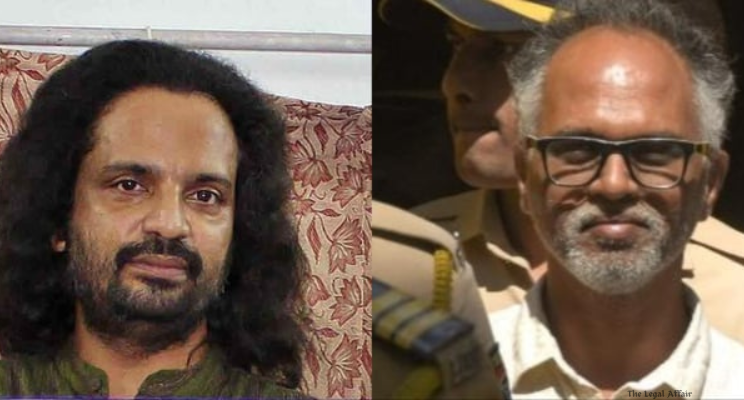
In a significant development, the Bombay High Court on January 8, 2025, granted bail to researcher Rona Wilson and activist Sudhir Dhawale, both of whom were accused in the Bhima-Koregaon Elgar Parishad case. A division bench of Justices Ajay Gadkari and Kamal Khata considered the prolonged incarceration of over six years as undertrials, during which the charges in the case were yet to be framed. The court referred to the Supreme Court’s precedent in the case of Union of India vs. KA Najeeb to extend bail on a surety of ₹1 lakh to each of the accused, imposing strict conditions. Wilson and Dhawale, among 16 activists booked in the case, have been accused of links with the banned CPI (Maoist) and waging war against the nation.
Arguments of Both Sides:
The counsel for the accused highlighted their prolonged imprisonment since 2018 without the framing of charges, emphasizing the unlikelihood of a speedy trial given that the prosecution had cited over 300 witnesses. They argued that keeping the accused incarcerated indefinitely amounted to a violation of their fundamental rights under Article 21 of the Constitution. The defence also relied on the Supreme Court’s ruling in KA Najeeb, which emphasized that prolonged incarceration without trial justifies bail.
On the other hand, the prosecution, represented by Additional Solicitor General Devang Vyas, along with Special Prosecutor Sandesh Patil and advocate Chintan Shah, strongly opposed the bail plea. They maintained that the accused were part of a larger conspiracy to destabilize the state and had links with a banned organization, CPI (Maoist). They further argued that releasing the accused could pose a threat to public security and lead to tampering with evidence. The prosecution urged the court to refrain from making any observations on the merits of the case, to avoid prejudicing the trial.
Court’s Judgment:
The Bombay High Court, while granting bail, primarily focused on the prolonged incarceration of the accused and the improbability of the trial concluding soon. The court noted that the accused had been in custody for over six years as undertrials, with the charges yet to be framed. Highlighting that the prosecution had cited over 300 witnesses, the bench observed that the trial’s completion was far from near. Referring to the Supreme Court’s ruling in KA Najeeb, the bench reiterated that fundamental rights, including the right to personal liberty under Article 21, could not be indefinitely suspended due to procedural delays in criminal proceedings.
The court further emphasized that bail could be granted with stringent conditions to ensure that the accused did not tamper with evidence or abscond. It imposed conditions such as surrendering passports, not leaving Mumbai without prior permission, marking weekly attendance at the NIA headquarters, and providing mobile numbers to the prosecution. While recognizing the gravity of the charges, the court stressed the need for a balance between individual liberty and state security, particularly when procedural delays disproportionately impacted the accused.
By granting bail, the court acknowledged the broader implications of prolonged pre-trial incarceration on the justice system, while maintaining that the accused must adhere to strict bail conditions to ensure the trial’s integrity.