


Introduction:
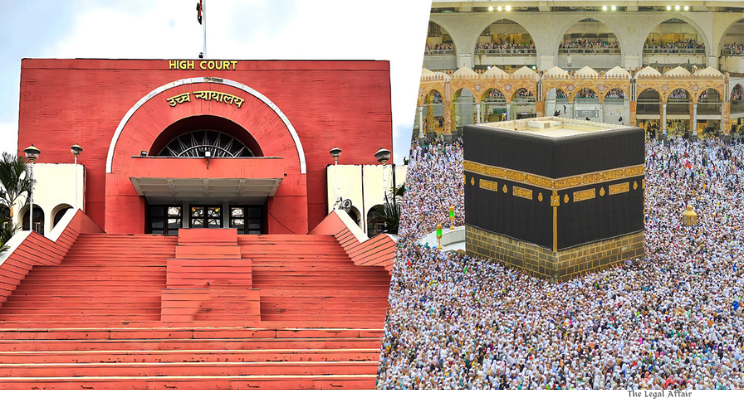
In the case of Rahim Khan Sandu Khan vs. State of Maharashtra (Criminal Application 365 of 2025), the Bombay High Court permitted Rahim Khan Sandu Khan, a 43-year-old businessman convicted under Section 135 of the Indian Electricity Act for electricity theft, to travel abroad for the Haj pilgrimage from April 2025 to September 2025. The order, passed by Justice Abhay Waghwase on February 25, 2025, noted that Khan’s criminal appeal against his conviction, pending since 2016, is unlikely to be heard in the near future. The court had previously suspended his sentence and granted him bail in October 2016. In his application, Khan emphasized the religious significance of Haj and the improbability of his appeal being decided soon. The court allowed his travel, imposing conditions such as furnishing travel details, accommodation, and property information. Advocate Joydeep Chatterji represented Khan, Additional Public Prosecutor SS Dande appeared for the State, and Advocate Sudha Chintamani, Standing Counsel for the Union of India, represented the Passport Authority. The ruling underscores the judiciary’s balance between individual religious rights and legal obligations while ensuring safeguards against misuse of liberty.
Arguments of Both Sides:
Khan’s counsel, Advocate Joydeep Chatterji, argued that his client had been on bail since 2016 and had never misused his liberty. He contended that with no immediate possibility of his appeal being heard, denying him the right to perform Haj would be unjust and contrary to the fundamental right to religious freedom under Article 25 of the Constitution. The counsel stressed that Haj is a once-in-a-lifetime religious obligation for Muslims who are financially and physically capable, and delaying it indefinitely would infringe upon Khan’s religious rights. Furthermore, he assured the court that Khan would comply with all necessary conditions to ensure his return and participation in the legal proceedings.
Opposing the plea, Additional Public Prosecutor SS Dande argued that allowing a convict to travel abroad could set a precedent for others seeking similar relief. He emphasized that Khan had been convicted of electricity theft, which involved defrauding the government, and while his sentence was suspended, his conviction remained intact. The prosecutor further contended that the court must ensure that granting such permission does not compromise the legal process. Advocate Sudha Chintamani, representing the Passport Authority, stated that Khan’s passport had been restricted due to his conviction, and special permission from the court was necessary for international travel. She emphasized that if permitted, strict conditions should be imposed to prevent any misuse of the liberty granted.
Judgement:
After considering the submissions, Justice Abhay Waghwase ruled in favor of Khan, permitting him to travel abroad for the Haj pilgrimage. The judge observed that since Khan’s appeal had been pending since 2016 with no immediate prospects of disposal, denying him the opportunity to perform Haj would be unreasonable. However, to ensure legal accountability, the court imposed stringent conditions, including furnishing an undertaking of not misusing the liberty, submitting details of his itinerary, tickets, accommodation in Saudi Arabia, and properties owned by him to the concerned police station and the court. The judgment reflects a nuanced approach, balancing the constitutional right to religious freedom with judicial prudence in pending criminal cases.