


Introduction:
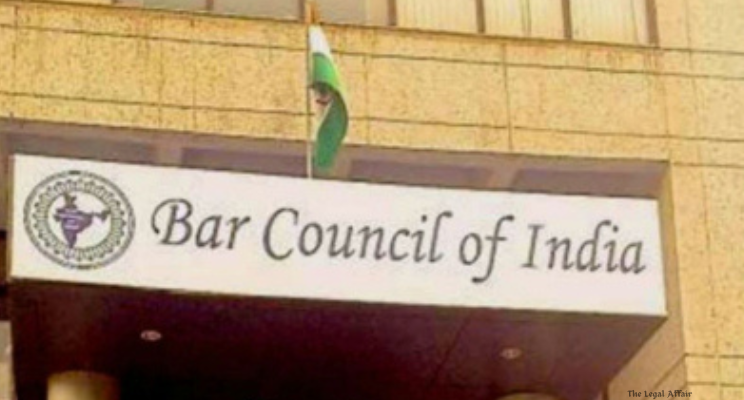
In a significant regulatory move aimed at maintaining clarity and fairness in legal education, the Bar Council of India (BCI) has issued a directive prohibiting private law universities from using certain prefixes, including “Bharatiya,” “National,” “Indian,” “Rashtriya,” or similar terms, for hosting moot courts or other academic competitions. This new directive is rooted in the Emblems and Names (Prevention of Improper Use) Act, of 1950, which restricts the unauthorised use of names and symbols that may suggest government or national patronage without proper approval from the Central Government.
The BCI’s directive serves as a cautionary measure against misleading practices, ensuring that private institutions do not use these terms to suggest a false sense of national importance or government backing in their competitions. It is designed to prevent any manipulation of perceptions about the significance or stature of such events, which may lead participants and sponsors to believe they are partaking in nationally sanctioned or government-endorsed activities. At the same time, the directive clarifies that these restrictions do not apply to National Law Universities (NLUs) or central and state universities, as these institutions operate under government affiliation and regulation.
The issuance of this directive brings attention to broader issues within the legal education sector, such as the unauthorized use of government-associated names and the resulting implications for transparency, fairness, and public trust. Private institutions, many of which have been using these terms without the requisite approvals, must now comply with the BCI’s guidelines or face potential legal and administrative consequences, including the revocation of their recognition and disqualification from conducting future moot court competitions.
This regulatory development marks a decisive step in curbing potential misrepresentations in the legal education landscape and protecting the integrity of national and government-associated nomenclature.
The Emblems and Names Act, 1950: A Regulatory Framework
The BCI’s directive draws from the Emblems and Names (Prevention of Improper Use) Act, of 1950, which was enacted to prevent the misuse of certain names, titles, and symbols that are closely associated with government entities and national significance. The Act, particularly Sections 3 and 4, serves as the legal foundation for the BCI’s new restrictions.
Section 3 of the Act prohibits any person or organization from using certain names such as “India,” “Indian,” “National,” “Bharat,” “Bharatiya,” or “Rashtriya” for professional or commercial purposes without prior approval from the Central Government. The intent behind this provision is to safeguard the use of these names, which carry a sense of national identity and government endorsement, from being exploited by private entities for commercial gain or to create a misleading impression of government affiliation.
Section 4 of the Act further prohibits the registration of any entities whose names contravene these restrictions. This ensures that institutions or organizations cannot officially register under names that would imply national significance or government association, unless they have obtained the necessary permissions.
By invoking this Act, the BCI underscores the importance of maintaining transparency in how law universities and institutions present themselves, especially when it comes to organizing competitions that may influence the perception of participants, sponsors, and the public. The directive is not only a legal reminder but also a proactive step towards ensuring that legal education in India remains grounded in honesty and proper regulatory practices.
Misuse and Misleading Practices: The BCI’s Rationale:
The BCI’s decision to issue this directive stems from concerns over recent misleading practices observed within the realm of legal education. Several private institutions have reportedly hosted moot courts and other academic competitions using titles such as “All India,” “National,” or “Bharatiya,” without possessing the necessary authority to do so. This, the BCI argues, has led to confusion among participants and the general public, who may mistakenly assume that these events carry official national importance or are endorsed by the government.
According to the BCI’s circular, such practices are deceptive and undermine the integrity of these competitions. Participants, especially law students, may be led to believe that they are competing in events that hold greater stature or prestige than is actually the case. This could also distort their understanding of the legal profession’s standards and the competitive landscape, as they might assume that they are engaging in government-backed events, which hold higher value in terms of recognition and future career prospects.
Moreover, the BCI has pointed out that this misuse of names and titles is often exploited by institutions to secure sponsorships. By falsely presenting their competitions as being of national importance, institutions may be able to attract sponsors who would otherwise not be interested. This not only gives an unfair advantage to such institutions but also creates a distorted marketplace, where sponsors are misled into associating their brands with events that do not possess the official standing or recognition implied by their titles.
In response to these concerns, the BCI has made it clear that the use of government-associated names or titles for moot courts and competitions by private law universities is not only misleading but also constitutes a violation of the Emblems and Names Act. The directive aims to curb these practices and restore transparency in how institutions present their academic events.
BCI’s Statutory Authority and Exceptions for Institutions:
As the statutory body responsible for regulating legal education and the profession of law in India, the Bar Council of India holds significant authority over the conduct of institutions offering legal education. This authority extends to the organization of moot court competitions and similar events, where the BCI has the right to ensure that all participating institutions adhere to the legal and ethical standards set forth by the council.
In issuing this directive, the BCI has clarified that it is not subject to the same restrictions it imposes on private institutions. When the BCI itself organizes national or all-India level moot court competitions, it does so with the full authority of its statutory powers and its role as the governing body of legal education in India. As such, the BCI is permitted to use titles such as “National” or “All India” in its competitions, as these events are conducted under its official capacity and following government oversight.
However, the BCI has also recognized that certain institutions may be exempt from these restrictions. National Law Universities (NLUs), central universities, and state universities are permitted to use titles such as “National” in their moot court competitions, provided they notify the Central Government in advance. This exception is based on the fact that these institutions operate under government affiliation and are thus considered to have the requisite authority to use such titles. By informing the government beforehand, these institutions ensure that the use of national titles remains transparent and in compliance with legal standards.
The BCI’s directive, therefore, creates a clear distinction between private law universities, which are now prohibited from using certain titles, and government-affiliated institutions, which may continue to do so under specific conditions. This distinction is crucial in maintaining the integrity of legal education and ensuring that all institutions operate on a level playing field, free from misleading practices.
Directions for Immediate Compliance and Consequences of Non-Compliance:
The Bar Council of India has mandated immediate compliance with its new directive. All private law universities are now required to cease the use of titles such as “Bharatiya,” “National,” “Indian,” or similar names in their moot court competitions unless they have received explicit permission from the Central Government. The BCI has also emphasized that the Emblems and Names Act is legally binding, and any violations will be dealt with strictly.
To enforce compliance, the BCI has outlined a range of consequences for institutions that fail to adhere to the new guidelines. These include the revocation of the institution’s recognition by the BCI, which would effectively prevent the institution from offering legal education in India. In addition, legal action may be taken against the offending institution under the Emblems Act, which could result in fines or other penalties. Institutions that violate the directive may also be disqualified from conducting further moot court competitions or similar events, further limiting their ability to engage in legal education activities.
The BCI has made it clear that these measures are necessary to prevent the continued misuse of government-associated names and to protect the integrity of legal education in India. By holding institutions accountable for their actions, the BCI aims to create a fair and transparent environment in which students, sponsors, and the public can trust the legitimacy and significance of moot court competitions and other academic events.
Conclusion:
In conclusion, the Bar Council of India’s directive marks a critical step toward ensuring transparency and fairness in the legal education sector. By restricting private law universities from using government-associated prefixes in their moot courts and academic competitions, the BCI aims to prevent misleading practices that could distort public perceptions of the significance and stature of such events. These restrictions are grounded in the Emblems and Names (Prevention of Improper Use) Act, of 1950, which safeguards the use of national and government-associated names from exploitation.
The BCI’s directive not only seeks to protect the integrity of legal education but also ensures that students, sponsors, and the public are not misled into believing that certain competitions carry national or government endorsement. While National Law Universities and other government-affiliated institutions are exempt from these restrictions, provided they notify the government, private institutions must now comply or face serious legal and administrative consequences.
As this directive comes into effect, it underscores the importance of maintaining ethical standards in legal education and upholding the trust placed in institutions to conduct their activities transparently.