


Introduction:
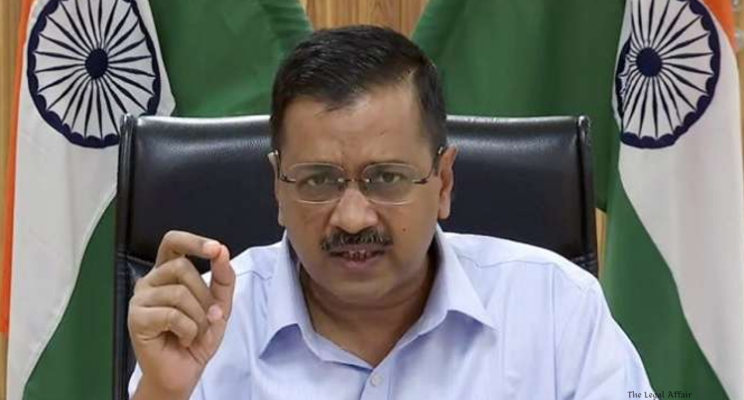
In a significant development, a Delhi Court has granted bail to the Chief Minister in connection with a money laundering case related to an alleged liquor policy scam. Arvind Kejriwal, the Chief Minister of Delhi, was arrested earlier by the Enforcement Directorate (ED) and has been facing legal proceedings since then.
Arguments of Both Sides:
The ED, represented by its special counsel Zoheb Hossain, argued vehemently against granting bail, citing concrete evidence linking Kejriwal to the alleged offenses. They highlighted financial transactions and connections with accused individuals, alleging Kejriwal’s involvement in a significant monetary conspiracy. The ED also pointed out Kejriwal’s refusal to cooperate fully with investigations, which they claimed should weigh against granting bail.
On the other hand, Senior Advocate Vikram Chaudhari, representing Kejriwal, countered these claims. Chaudhari emphasized that Kejriwal had not been formally charged in certain aspects of the case and questioned the credibility of the evidence presented by the ED. He argued that Kejriwal’s political stature should not prejudice the bail decision and asserted that the accusations lacked substantial proof directly implicating Kejriwal in the alleged crimes.
Court’s Judgment:
After considering both sides’ arguments, the court, presided over by Vacation Judge Nyay Bindu of Rouse Avenue Courts, decided to grant bail to Arvind Kejriwal. The judge rejected the ED’s plea for a stay on the bail order, citing reasons related to procedural fairness and the lack of immediate threat posed by grating bail.