


Introduction:
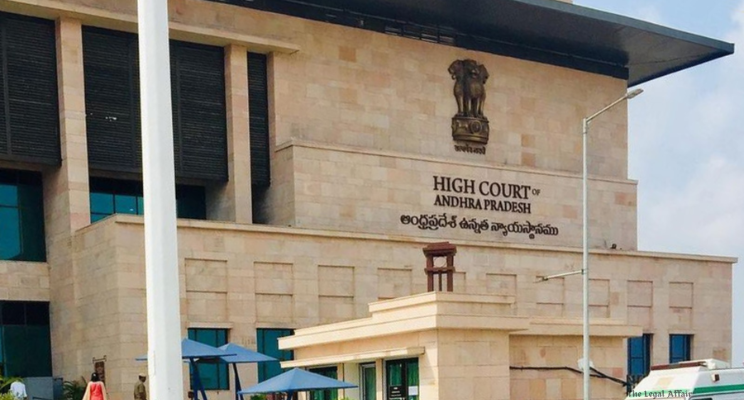
In the case of Sri Aadi Varahi Shakti Temple Trust and Others v. The State Of Andhra Pradesh and Others (Writ Petition No. 15594/2025), the Andhra Pradesh High Court was called upon to adjudicate a dispute arising out of the proceedings initiated by the Tahsildar, Tirupati (Respondent 5) under Section 164(1) of the Bharatiya Nagarik Suraksha Sanhita, which barred both the petitioner, Sri Aadi Varahi Shakti Temple Trust, and Respondent 7, Y Gangi Reddy, from entering the land on which the temple is situated and where the annual nine-day Aashada Gupta Varaahi Navaratrulu festival was proposed to be conducted between June 26 and July 5, 2025.
Arguments:
The petitioner, represented by its counsel, argued that the impugned order dated June 16, 2025, effectively deprived thousands of devotees of their customary worship and religious festivities, while also severely impacting the trust’s right to continue long-standing rituals integral to the faith and tradition observed by the community. The petitioner emphasized that despite a pending title dispute, immediate interim relief was essential to avoid irreparable harm to religious sentiments and ensure the smooth conduct of the festival without compromising peace and order, requesting that the Tahsildar’s order be modified to the limited extent of allowing the festival for the specified period.
Conversely, the respondents, including the State, Tahsildar, and Station House Officer (SHO), maintained that the prohibition on entry was necessitated by the apprehension of a potential breach of peace due to the ongoing land dispute between the petitioner Trust and Respondent 7, who claimed ownership over a larger portion of land measuring 4.64 acres based on an unregistered sale agreement dated September 8, 2014. The respondents argued that Section 164 of the Bharatiya Nagarik Suraksha Sanhita empowers the Executive Magistrate to issue preventive orders in disputes likely to cause a breach of peace, asserting that any relaxation of the impugned order could escalate tensions and create law and order problems, especially in view of prior altercations between the parties. They further insisted that the right to perform religious ceremonies cannot override the need to maintain public tranquility, and the disputed title must first be settled before any assertion of possession or conduct of events on the contested land.
Judgement:
After hearing both sides, Justice Harinath N observed that while the Executive Magistrate’s powers under Section 164 are crucial to prevent breaches of peace, the immediate issue before the Court concerned the balancing of public order with the fundamental right to freely profess and practice religion under Article 25 of the Constitution. The Court noted that the petitioner Trust was in actual possession of the 0.50-acre temple land as per revenue records and had conducted the Aashada Gupta Varaahi Navaratrulu festival for years without recorded incidents of violence, and that denying permission would result in irreparable injury to the devotees’ religious rights. The Court also considered the submission of the Station House Officer (Respondent 6), who confirmed the feasibility of providing adequate security arrangements to ensure peace during the festival. In this context, the Court found that a narrowly tailored relief could be granted without prejudicing the merits of the ongoing title dispute. Accordingly, the High Court suspended the impugned proceedings dated June 16, 2025, till July 6, 2025, thereby permitting the petitioner Trust to perform the nine-day Aashada Gupta Varaahi Navaratrulu festival between June 26 and July 5, 2025, and directed the SHO to extend necessary bundobust arrangements to maintain law and order, while also cautioning the petitioner Trust to cooperate fully with police authorities and ensure no untoward incident occurs during the celebrations. Crucially, the Court clarified that the interim order should not be construed as conferring any title or ownership rights over the disputed land in favor of the petitioner, leaving it open to both parties to pursue their respective claims before the competent civil court. This decision underscored the judiciary’s commitment to safeguarding religious freedoms while simultaneously upholding public order and preserving the legal sanctity of land disputes by ensuring that interim arrangements do not translate into determinations of substantive rights.