


Introduction:
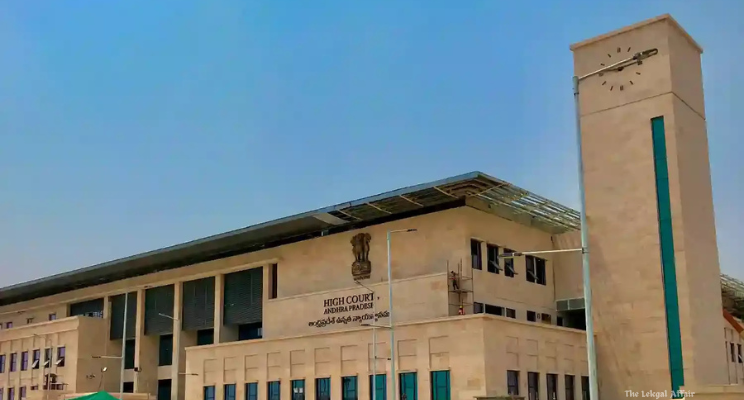
In the case of S. Bhargav Reddy vs. The State of Andhra Pradesh, the Andhra Pradesh High Court addressed the escalating issue of online abuse and trolling. Justice Nyapathy Vijay emphasized that the proliferation of vulgar, hate-filled, and abusive posts on social media has become a concerning norm, particularly targeting celebrities and political figures. The court underscored every citizen’s constitutional right to a dignified life and urged the State Government to instruct social media intermediaries to implement ‘auto-blocking’ mechanisms for expletives, swear words, militant language, and similar content. Drawing parallels to the Supreme Court’s directive in Sabu Mathew George v. Union of India, where intermediaries were ordered to auto-block advertisements violating the Pre-conception and Pre-natal Diagnostic Techniques Act, the High Court highlighted the feasibility of such technological solutions.
Arguments:
Petitioner’s Arguments:
Sajjala Bhargav Reddy, the social media head of the YSR Congress Party, filed anticipatory bail petitions in response to multiple FIRs alleging the dissemination of derogatory and abusive posts against political leaders. Reddy contended that, aside from the charge under Section 111 of the Bharatiya Nyaya Sanhita (BNS), which he argued was inapplicable, the remaining offenses carried a maximum sentence of seven years. He asserted that, per the guidelines established in Arnesh Kumar v. State of Bihar, he was entitled to a notice under Section 35(3) of the BNSS (formerly Section 41-A of the CrPC). Reddy further argued that the inclusion of Section 111 was a strategic move to bypass procedural safeguards and that many of the alleged posts predated the enactment of the BNS, rendering the section inapplicable.
Prosecution’s Arguments:
The Public Prosecutor presented evidence indicating that Reddy orchestrated a systematic campaign of derogatory posts, employing approximately 400 individuals to create and disseminate morphed images and abusive content targeting political opponents. These posts were distributed through various social media groups, with members allegedly receiving payments for their participation. The prosecution argued that this organized effort constituted ‘organized crime’ under Section 111 of the BNS, emphasizing that the activities continued post-enactment of the new criminal laws. They also contended that the requirement of two prior charge sheets within ten years was not a strict necessity for invoking Section 111.
Court’s Judgment:
After evaluating the arguments, the High Court observed that for an offense to qualify as ‘organized crime’ under Section 111 of the BNS, there must be evidence of unlawful activity conducted for material benefit, including financial gain. In Reddy’s case, the court found no concrete evidence of such material benefit. Furthermore, the court noted the absence of any prior charge sheets against Reddy within the preceding ten years, a prerequisite for invoking Section 111. Consequently, the court directed the concerned Station House Officers to adhere to the procedure outlined in Section 35(3) of the BNSS, ensuring that Reddy receives the appropriate notice before any arrest. Additionally, the court reiterated the importance of curbing online abuse and urged the State Government to expedite the implementation of measures to auto-block offensive content on social media platforms.
Conclusion:
The Andhra Pradesh High Court’s directive to implement ‘auto-blocking’ mechanisms on social media platforms marks a significant step towards safeguarding individuals from online abuse and preserving the sanctity of public discourse. By addressing the misuse of digital platforms for orchestrated derogatory campaigns, the court reinforces the constitutional right to a dignified life and sets a precedent for proactive measures against cyber abuse. This judgment not only impacts the immediate parties involved but also sends a clear message about the judiciary’s stance on maintaining decorum and respect in digital interactions.