


Introduction:
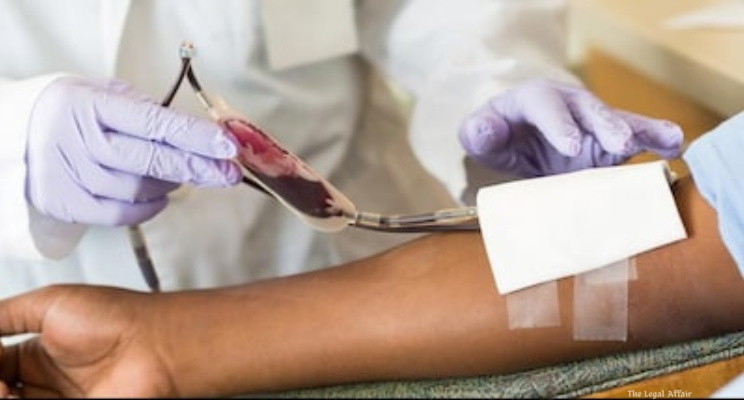
A deeply concerning writ petition has been filed before the Jharkhand High Court, bringing to light allegations of grave medical negligence that has reportedly altered the lives of five minor children. The petition, filed through Advocate Md. Shadab Ansari, seeks urgent judicial intervention after the children—aged between 5 and 7 years—were allegedly infected with HIV following blood transfusions administered at the Chaibasa Sadar Hospital blood bank in October 2025.
The children, all diagnosed with Thalassemia Major, depend on frequent blood transfusions as part of their survival and treatment. Belonging to economically vulnerable backgrounds, including Scheduled Tribe and OBC communities from West Singhbhum and Saraikela Kharsawan districts, their families rely on daily wage labour and live under precarious socio-economic conditions.
The petition narrates the traumatic impact of the alleged incident, including severe health complications, financial distress, and social ostracism faced by the affected families. It also highlights the case of a 7-year-old child who reportedly tested HIV positive despite both parents being HIV negative, raising serious concerns about the safety of blood transfusion practices at the hospital.
Seeking comprehensive relief, the petition demands ₹1 crore compensation for each child, along with lifelong medical care, including Anti-Retroviral Therapy (ART), regular health monitoring, nutritional support, and institutional mechanisms to ensure continued treatment and dignity for the affected children.
The case raises profound constitutional and humanitarian issues, particularly regarding the State’s responsibility to safeguard the right to life and health under Article 21 of the Constitution.
Arguments by the Petitioners (Children through Guardian):
The petitioners, represented through their guardians, have strongly asserted that the alleged HIV infection resulted directly from gross negligence on the part of the Chaibasa Sadar Hospital blood bank. They contend that the hospital failed in its fundamental duty to ensure that all blood units used for transfusion were properly screened and safe, as mandated under medical protocols and statutory regulations.
The petition emphasizes that children suffering from Thalassemia Major require regular and safe blood transfusions to survive. Therefore, any lapse in ensuring the safety of blood not only constitutes negligence but also exposes patients to life-threatening infections. The petitioners argue that the transfusion of contaminated blood reflects a systemic failure rather than an isolated incident.
A significant aspect of the petition is the reliance on medical evidence, particularly the case of the 7-year-old child who tested positive for HIV/AIDS despite both parents being HIV negative. This, according to the petitioners, strongly indicates that the infection occurred through the transfusion process, thereby establishing a direct causal link between the hospital’s actions and the children’s condition.
The petitioners have also highlighted the severe socio-economic impact of the incident. The affected families, already living in poverty, now face additional burdens of lifelong medical treatment, loss of livelihood opportunities, and social stigma associated with HIV. The petition notes instances of ostracism and even eviction, demonstrating the far-reaching consequences of the alleged negligence.
On the legal front, the petitioners argue that the State is vicariously liable for the actions of its healthcare institutions. They rely on the precedent set by the Supreme Court of India in CPL Ashish Kumar Chauhan, where the Court held that the State can be held accountable for violations of fundamental rights arising from medical negligence in public hospitals.
The petition asserts that the incident constitutes a violation of the right to life under Article 21, which encompasses the right to health and access to safe medical treatment. It argues that the State’s failure to ensure safe blood transfusion practices amounts to a breach of its constitutional obligations.
In terms of relief, the petitioners have sought a comprehensive package that goes beyond monetary compensation. This includes lifelong access to safe and screened blood transfusions, continuous Anti-Retroviral Therapy (ART), regular CD4 count and viral load monitoring, specialized nutritional support, and psychological counselling to address trauma and stigma.
Additionally, the petition calls for the constitution of a Special Medical Board to assess the long-term medical needs of the children and to ensure that appropriate care is provided in a structured and sustained manner. It also seeks housing support, including the provision of pucca houses, to improve the living conditions of the affected families.
The petitioners have criticized the State’s announcement of ₹2 lakh ex-gratia compensation as grossly inadequate, arguing that it fails to reflect the gravity of the harm caused or the lifelong implications of HIV infection.
Arguments by the Respondent (State Authorities):
While the matter is yet to be adjudicated, the likely position of the State authorities can be inferred from the actions already taken and the legal framework governing such cases.
The State may argue that immediate steps were taken upon discovery of the incident, including suspension of certain officials associated with the blood bank. It may contend that these actions demonstrate its commitment to accountability and its intent to address the issue promptly.
The State is also likely to question the direct causal link between the blood transfusions and the HIV infections. It may argue that a detailed medical investigation is required to conclusively establish the source of infection, and that attributing liability solely to the hospital at this stage would be premature.
Further, the State may rely on existing compensation frameworks and argue that the ex-gratia amount of ₹2 lakh was provided as an immediate relief measure, pending further inquiry. It may contend that additional compensation, if warranted, should be determined based on the findings of a comprehensive investigation.
On the issue of vicarious liability, the State may argue that negligence, if any, was attributable to individual officials and not to the State as a whole. It may seek to limit its liability by emphasizing the need for establishing individual culpability before imposing broader responsibility.
The State could also raise concerns about the financial implications of the relief sought, particularly the demand for ₹1 crore compensation per child and lifelong medical care. It may argue that such relief must be balanced against available resources and existing policy frameworks.
Additionally, the State may highlight ongoing efforts to improve healthcare infrastructure and ensure compliance with safety standards, asserting that the incident, if proven, is an exception rather than a reflection of systemic failure.
Court’s Judgment (Anticipated Legal Considerations):
As the matter is yet to be heard, the final judgment of the Jharkhand High Court will depend on the evidence presented and the legal arguments advanced by both sides. However, certain key principles are likely to guide the Court’s decision.
First and foremost, the Court will examine whether there has been a violation of the fundamental right to life under Article 21. The right to health has been consistently recognized as an integral part of this right, and any failure to provide safe medical treatment could constitute a constitutional violation.
The Court is likely to assess whether the alleged negligence amounts to a breach of duty on the part of the hospital and whether the State can be held vicariously liable for such breach. In doing so, it may rely on precedents of the Supreme Court of India that emphasize the accountability of public authorities in cases of medical negligence.
Another critical aspect will be the determination of causation—whether the HIV infections can be conclusively linked to the blood transfusions administered at the hospital. This may require expert medical evidence and possibly the constitution of an independent medical board.
If the Court finds that the State is liable, it may consider awarding compensation that reflects not only the immediate harm but also the long-term impact on the children’s lives. This could include directions for comprehensive medical care, rehabilitation, and social support.
The Court may also issue systemic directions aimed at preventing similar incidents in the future, such as strengthening blood screening protocols, ensuring regular audits of blood banks, and improving accountability mechanisms within public healthcare institutions.
Ultimately, the case presents an opportunity for the judiciary to reinforce the principle that access to safe healthcare is a fundamental right and that any lapse in this regard must be addressed with seriousness and sensitivity.