


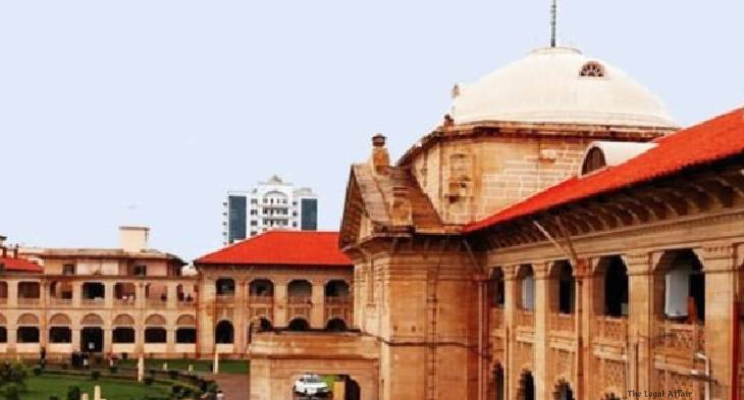
Introduction:
In a recent ruling, the Allahabad High Court addressed the validity of the Sal Purchase Committee’s decision to waive physical inspection during the tender process for the supply of Sal wood sleepers and edgings for the Maha Kumbh Mela, 2025. The case, Dynamic Infracon Pvt. Ltd. v. State of Uttar Pradesh and Others [WRIT-C NO. 22963 OF 2024], questioned the fairness of the tender process and the waiver of mandatory inspection as stipulated in the e-bid document.
Arguments of Both Sides:
The petitioner, Dynamic Infracon Pvt. Ltd., challenged the tender process on several grounds. They argued that the waiver of physical inspection under Clause 6(g) was a significant deviation from the e-bid document, which required inspection of the stock of bidders. The petitioner contended that this waiver was not uniformly applied, thereby rendering the process arbitrary and unfair. They also alleged that the winning consortium did not meet the mandatory requirements regarding the quantity of Sal wood and questioned the qualification of the lead member of the consortium.
In response, the State and the Sal Purchase Committee defended the decision to waive the physical inspection. They argued that the waiver was applied uniformly across all applicants and thus could not be deemed arbitrary or discriminatory. The respondents also highlighted that the waiver was within the discretionary powers of the Committee and that the petitioner’s claims regarding the winning consortium’s qualifications were based on outdated or incorrect information. Additionally, they pointed out that the petitioner had not come to court with clean hands, as their licensed capacity did not meet the tender requirements.
Court’s Judgment:
The bench, comprising Justice Shekhar B. Saraf and Justice Manjive Shukla, carefully examined the arguments and the provisions of the e-bid document. The Court observed that Clause 6(h) of the tender document allowed for the waiver of physical inspection, and this waiver was applied consistently to all bidders. This approach, according to the Court, was reasonable and within the discretionary powers of the Committee.
The Court found no evidence of mala fide intent or arbitrary action on the part of the Committee. It held that the decision to waive inspection was made uniformly and did not unfairly disadvantage any bidder. Relying on precedents set by the Supreme Court in cases such as Directorate of Education v. Educomp Datamatics Ltd. and Tata Cellular v. Union of India, the Court emphasized that judicial intervention in tender matters is limited to cases where decisions are proven to be arbitrary, discriminatory, or biased.
The Court also noted that the issues regarding the quantity of Sal wood and the qualifications of the winning consortium were factual disputes that could not be resolved in writ jurisdiction. Instead, the Court reaffirmed its role in examining the decision-making process rather than the substantive merits of the tender.
Ultimately, the Court concluded that the waiver of physical inspection, applied uniformly, did not constitute arbitrary or mala fide action. The writ petition was dismissed, affirming the validity of the tender process as conducted by the Sal Purchase Committee.