


Introduction:
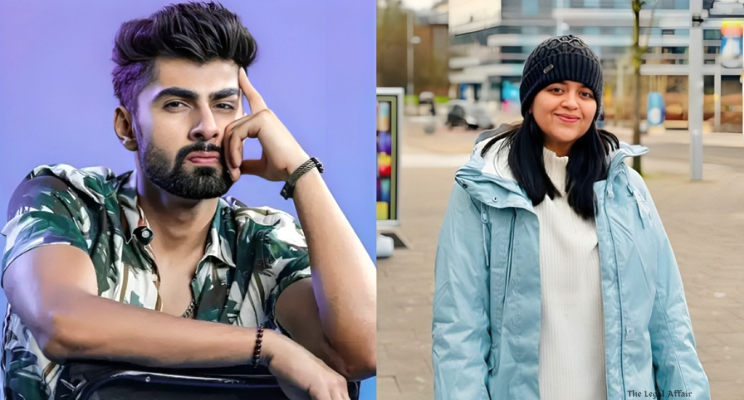
The Allahabad High Court recently rejected a writ petition filed by social media influencer and YouTuber Mridul Madhok, seeking the quashing of an FIR lodged against him over allegations of body-shaming, defamation, and making false claims regarding fitness influencer Kopal Agarwal. The division bench comprising Justice Sangeeta Chandra and Justice Om Prakash Shukla observed that a cognizable offence had been made out against Madhok based on the contents of the FIR and, therefore, declined to interfere with the ongoing investigation. However, the court clarified that if Madhok and Agarwal reached a compromise, he could present the same before the Investigating Officer, who would then take appropriate action. The FIR, lodged by Agarwal, invokes provisions under the Bharatiya Nyaya Sanhita (BNS) for cheating, forgery, defamation, and insulting the modesty of a woman, alongside provisions from the Information Technology Act and Copyright Act. The complaint alleges that Madhok misused Agarwal’s images on Instagram, falsely claiming that she was his client and that his fat burner supplement had helped her lose weight. She further accused him of unauthorized use of her pictures, violating her privacy and copyright, and causing her mental distress by body-shaming her. Madhok moved the High Court seeking to quash the FIR, arguing that Agarwal was open to compromise, but the court refused to entertain his plea while granting him the liberty to approach the Investigating Officer if a compromise was reached.
Petitioner’s Contentions:
Madhok, a well-known social media influencer, argued before the court that the FIR was baseless and filed with a malicious intent to tarnish his reputation. He contended that his reel was merely promotional content for his fat burner supplement and that he had no intention of defaming or body-shaming Agarwal. He claimed that he had used Agarwal’s transformation images under the belief that they were in the public domain and that similar fitness-related posts were common practice in the industry. Madhok further asserted that the allegations under BNS, IT Act, and Copyright Act were exaggerated and misconstrued, as his reel did not directly insult Agarwal but merely showcased weight loss transformation as part of his brand’s promotional activities. He also highlighted that he had received information that Agarwal was willing to settle the dispute, and therefore, he sought the quashing of the FIR on the grounds that the matter could be resolved amicably.
Respondent’s Arguments:
Agarwal, in her complaint, maintained that Madhok had deliberately misrepresented her as a client of his fitness product without her consent. She alleged that he had used her images without permission, misleading the public by falsely attributing her weight loss to his fat burner supplement. She further contended that his actions amounted to defamation, cheating, and copyright infringement, as he had unlawfully used her likeness for commercial gain. Agarwal also argued that the reel body-shamed her by emphasizing her weight transformation in a derogatory manner, causing her mental distress. She accused Madhok of exploiting her identity for marketing purposes and stated that such misleading representations harmed her reputation as a fitness influencer. Her counsel argued that the FIR was justified, as Madhok’s actions not only violated digital privacy rights but also promoted misleading advertising, potentially affecting public trust in online fitness products. The prosecution supported her claims, asserting that Madhok’s conduct warranted investigation under the BNS, IT Act, and Copyright Act, as it involved digital misrepresentation, unauthorized content usage, and defamation.
Court’s Judgment:
After hearing both sides, the Allahabad High Court observed that the allegations made in the FIR, if proven, constituted a cognizable offence. The bench noted that the misuse of someone’s personal images for commercial gain without consent could attract legal consequences under multiple laws. The court further remarked that social media influencers, who have significant reach and impact, must exercise caution while making promotional claims, especially those involving third parties. Given the seriousness of the allegations, the court declined to quash the FIR at the preliminary stage, emphasizing that the matter required proper investigation. However, the bench provided relief to Madhok by clarifying that if he and Agarwal reached a mutual settlement, he could approach the Investigating Officer with the compromise agreement. The court stated that, in such a scenario, the officer could take appropriate action in accordance with the law. While rejecting the plea for quashing the FIR, the court also reiterated that influencers must act responsibly and ensure compliance with legal norms while promoting products online.
Conclusion:
This ruling highlights the growing legal scrutiny on digital content creators and influencers, emphasizing that social media promotions must be ethical, truthful, and free from misleading claims. The Allahabad High Court’s decision underlines the importance of obtaining proper consent before using personal images for commercial purposes and warns against defamatory or body-shaming content. By allowing the scope for compromise, the court has provided an opportunity for amicable resolution while upholding the necessity of a fair investigation.