


Introduction:
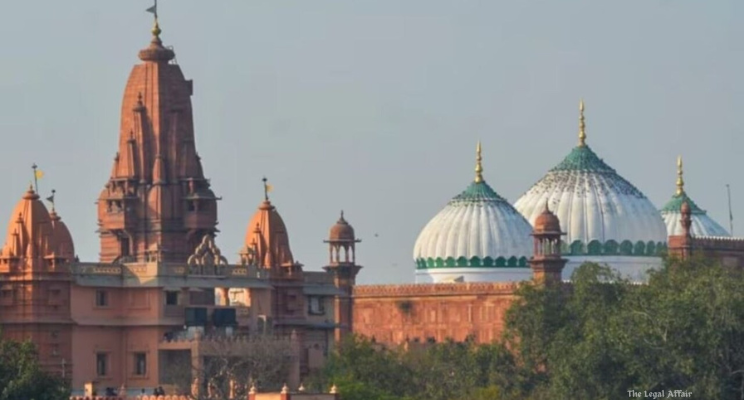
In the ongoing Krishna Janmabhoomi-Shahi Eidgah Mosque dispute in Mathura, the Allahabad High Court recently declined to pass an immediate order on an application filed by Hindu worshippers seeking permission to perform worship at Shri Krishna Koop, a well located near the staircase of the Shahi Eidgah mosque. The bench, headed by Justice Ram Manohar Narayan Mishra, deferred the hearing, citing the Supreme Court’s interim order from December 12, 2024, which had placed a restraining order on courts from issuing any effective orders or surveys related to cases involving the Places of Worship Act, 1991. This Act prohibits altering the religious character of places of worship as they stood on August 15, 1947. The dispute in Mathura revolves around the religious rights of Hindus to worship at the Shri Krishna Koop and other areas within the disputed property.
Arguments:
Ashutosh Pandey, appearing in person, had filed an application requesting permission to perform traditional worship at Shri Krishna Koop during Ekadashi. He argued that Hindu women have been worshipping at the site during Sheetla Saptami and Ashtami in the presence of heavy police security and have also performed a parikrama (circumambulation) around the Shri Krishna Janambhoomi complex. Similarly, another application was filed by Thakur Keshav Dev Ji Maharaj, claiming that the well has been traditionally worshipped by Hindus during various festivals, including the festival of Basauda (Sheetla Mata). The applicants argued that they had the right to continue their worship without interference from members of the Muslim community who were reportedly raising objections.
On the other hand, the counsels representing the defendants—who oppose the Hindu worship in the disputed area—strongly objected to any order permitting worship at the Krishna Koop. They contended that allowing the worship would infringe on the principles set out by the Supreme Court’s order and would only escalate tensions around the already sensitive issue of religious rights in the area. In light of these arguments, the single judge expressed the view that passing an order at this stage would conflict with the Supreme Court’s directive. As a result, the hearing was deferred, with the next session scheduled for January 27, 2025, to continue deliberations.
Judgement:
The Allahabad High Court’s refusal to pass any interim orders reflects the judiciary’s cautious approach to sensitive religious disputes, especially given the Supreme Court’s intervention in the Places of Worship Act. While the Hindu applicants assert their right to worship in the disputed area, the court refrained from making a decision that could potentially contravene the broader constitutional framework or aggravate the ongoing tension in the region. The matter remains pending, with both parties eagerly awaiting the next phase of legal proceedings.