


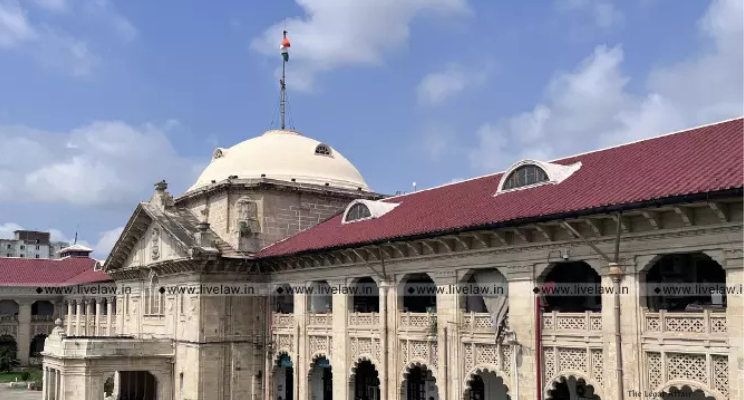
Introduction:
In a recent and compelling judgment, the Allahabad High Court took a firm stand against delays by state officials in complying with court orders, especially concerning the release of salary arrears and interest owed to a government employee. The bench, led by Justice Salil Kumar Rai, was addressing a contempt plea initiated in 2009, marking a significant moment in the ongoing case. Despite a court order issued 15 years ago directing the Uttar Pradesh Government’s Basic Education Department to release the funds owed, the matter had remained unresolved. Justice Rai’s ruling not only highlighted the extensive delay but also questioned the repeated absence of senior officials during court proceedings, emphasizing that compliance with court orders must take precedence over other commitments.
The case, which has unfolded over several years, centres on Laxman Prasad Kushwaha’s plea for enforcement of his right to pending salary and arrears, a sum exceeding Rs.1.25 crore, inclusive of interest accumulated over years of inaction. In September 2024, the Allahabad High Court ordered that this amount be paid in full to Kushwaha by the end of the month. However, when the officials responsible failed to meet this deadline, citing various engagements, the Court summoned senior officials, warning them of potential legal consequences for non-compliance. Despite multiple pleas for exemption due to conflicting official duties, the Court’s firm response underscored its intolerance for undue delays in justice, especially those impacting individuals’ livelihoods.
Background:
The origins of this case date back to 2009 when Laxman Prasad Kushwaha, a state employee, filed a contempt plea in response to the Uttar Pradesh High Court’s earlier order, which directed the government to approve his salary and the arrears accumulated over time. By September 2024, the pending amount had grown substantially due to accruing interest, totalling Rs. 1,25,92,090. This figure was determined by the Writ Court, which ordered the relevant departments—including the Directorate of Basic Education, UP— to disburse the payment promptly. However, the protracted delay in payment led to further judicial intervention.
In light of ongoing inaction, the Allahabad High Court on September 24, 2024, set a final deadline of September 30, 2024, by which the outstanding dues were to be paid. Alongside the directive, the Court summoned senior officials from the Department of Basic Education and Finance, requiring them to either demonstrate compliance through affidavits or appear in person to face potential contempt charges. The case saw further developments when certain officials, including the Director of Basic Education and the Principal Secretary (Basic Education), filed exemption pleas, requesting postponement of their court appearance due to official engagements. These pleas, however, were mostly denied, with the Court showing increasing impatience towards repeated delays in compliance.
Arguments:
Petitioner’s Position:
The petitioner, Laxman Prasad Kushwaha, represented by his counsel, argued that the continuous deferral of salary arrears, despite a longstanding court order, constituted a severe violation of his rights as a public employee. Highlighting the financial strain caused by such delays, he contended that non-compliance over 15 years demonstrated negligence and disregard for the rule of law by the concerned officials. The petitioner’s argument stressed that the court order in his favour had been upheld through various legal channels, including the Supreme Court’s recent dismissal of the government’s Special Leave Petition (SLP) in September 2024, and therefore, he was entitled to immediate enforcement of the arrears payment.
The petitioner further argued that the affidavits submitted by the officials were merely tactics to prolong the case, as the officials had ample time to comply with the payment directive. His counsel underscored that the petitioner’s economic well-being had been severely compromised by the officials’ non-compliance, depriving him of the financial stability and benefits he was entitled to.
Respondent’s Position:
Representing the Uttar Pradesh government, the Additional Chief Secretary (Finance) and other senior officials filed exemption applications, asserting conflicting obligations with other high-priority official events. The Additional Chief Secretary (Finance), for example, cited his involvement in the inauguration of Mission Shakti Phase-5, a state initiative presided over by the Chief Minister, as a reason for his absence. Likewise, the Principal Secretary (Basic Education) contended that he was required to attend proceedings at the Lucknow Bench of the High Court related to a Public Interest Litigation (PIL) plea.
In their defence, these officials argued that their presence in the court proceedings would impact critical state functions. Additionally, the Director of Education (Basic) mentioned a pending review application regarding the previous Special Appeal ruling, requesting deferment of proceedings until the review’s outcome. However, the Court, dissatisfied with the explanations, viewed these claims as excuses to delay the enforcement of a judicial directive, reiterating that official responsibilities should not take precedence over compliance with the court’s mandate.
Court’s Judgment:
The Allahabad High Court’s ruling underscored the judiciary’s role in ensuring timely compliance with court orders, particularly those that impact citizens’ rights. Justice Salil Kumar Rai’s order reflected the Court’s discontent with the respondents’ delay tactics and their apparent disregard for judicial orders.
- Dismissal of Exemption Please:
The Court began by addressing the exemption applications filed by senior officials, including the Additional Chief Secretary (Finance) and the Principal Secretary (Basic Education). In its observations, the bench noted that although officials frequently contend with pressing commitments, these obligations do not override the necessity to fulfil court mandates. Justice Rai remarked that “the proceedings of the Court are not supposed to be delayed because of the Programme fixed by any other constitutional authority, in which the contemnor considers his presence to be necessary.” This statement highlighted the judiciary’s firm stance that judicial obligations are paramount, regardless of other official duties.
The Court initially denied most requests for exemption, save for the Principal Secretary (Basic Education), who demonstrated his engagement in court proceedings at the Lucknow Bench, validating his inability to attend. However, the Court expressed strong disapproval of the Additional Chief Secretary (Finance)’s plea, indicating that the official’s absence for an inauguration event with the Chief Minister did not warrant exemption from court attendance. While ultimately granting the exemption for the Additional Chief Secretary (Finance) due to his high office, the Court warned of strict action should compliance not be met by the upcoming deadline.
- Affirmation of Compliance Deadline:
Justice Rai reiterated the September 30 compliance deadline, emphasizing that the officials’ excuses did not negate their responsibility to execute the Writ Court’s order. The Court noted that the original writ petition had been filed in 2009 and the corresponding order was upheld through multiple appeals, including the Supreme Court’s rejection of the state’s SLP. Given the prolonged nature of the case, the bench condemned the respondents’ repeated non-compliance, warning that they must either fulfil the payment directive or appear for potential contempt proceedings on November 11.
The Court underscored that the financial strain inflicted on the petitioner due to the delayed arrears warranted urgent action, stressing that the government must act in good faith to fulfil its obligations. Highlighting the Supreme Court’s previous dismissal of the state’s appeal, the bench concluded that the writ order was binding, leaving the officials with no alternative but to comply.
- Legal Precedent and Right to Timely Compensation:
This judgment resonates with the legal principle that employees are entitled to timely compensation for services rendered, a principle enshrined in Article 21 of the Constitution. The Court’s decision reflects a commitment to upholding the rights of public employees, underlining that long-pending arrears must be settled to prevent hardship. By setting a firm deadline and warning of potential charges, the Allahabad High Court emphasized its dedication to enforcing justice, particularly in cases where administrative indifference has persisted for over a decade.
Conclusion:
In a strongly worded verdict, the Allahabad High Court admonished senior officials for prolonged non-compliance with court orders concerning payment of salary arrears owed to a state employee. Justice Salil Kumar Rai’s judgment sends a clear message that judicial directives take precedence over other governmental obligations, affirming that all constitutional authorities must respect court-ordered mandates. The ruling signifies the court’s unwavering commitment to safeguarding citizens’ rights and ensuring justice, especially in cases of government inaction that directly affect individual livelihoods.