


Introduction:
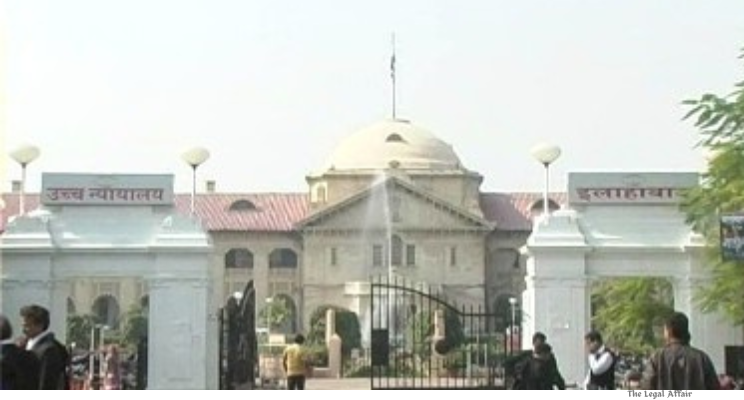
In a recent ruling, the Allahabad High Court delves into the nuances of Section 243(2) of the CrPC, asserting that a Magistrate is duty-bound not to compel re-appearances of prosecution witnesses unless essential for justice. The case involves a petitioner, a former Sub-Inspector, challenging the Trial Court’s rejection of summoning defence witnesses in a complex legal scenario. Justice Jyotsna Sharma clarifies the Magistrate’s discretion and highlights the limited scope of interference under Article 227 of the Constitution of India.
Arguments of Both Sides:
The petitioner contends that the Trial Court unjustly denied the right to present defence witnesses, emphasizing the denial of a fair trial. The primary controversy revolves around summoning retired police officers as defence witnesses. The Court observes the obligation under Section 243(2) CrPC not to compel attendance unless necessary for justice. The petitioner asserts the need for these witnesses, while the State argues the lack of demonstrated necessity and substance in the defence’s plea.
Court’s Judgment:
Justice Jyotsna Sharma clarifies the legal obligations under Section 243(2) CrPC, emphasizing the Magistrate’s discretion. The Court distinguishes between fresh witnesses and those previously examined during prosecution, stating that the latter’s summoning requires a demonstration of necessity for justice. The judgment emphasizes the need for substance in defence pleas and the sparing use of Article 227 jurisdiction, highlighting that mere appealing arguments lack merit. The petition under Article 227 is dismissed, affirming the Trial Court’s decision.