


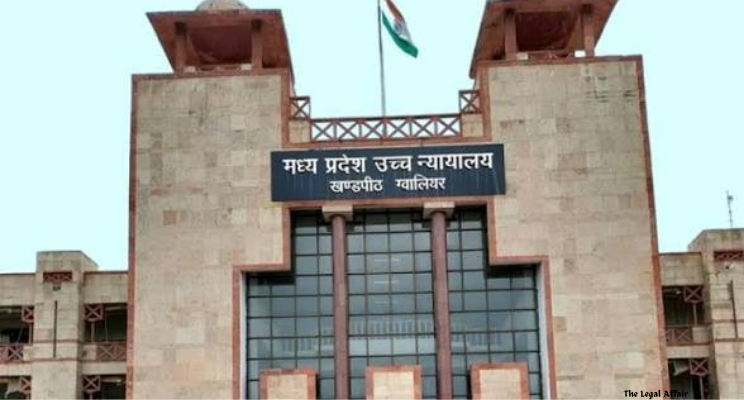
Introduction:
The Madhya Pradesh High Court has held that the death of a minor by suicide, even when accompanied by a suicide note naming certain individuals, does not automatically establish the offence of abetment of suicide under Section 107 of the Bharatiya Nyaya Sanhita, 2023 (BNS). The prosecution must still disclose the essential ingredients of abetment, including instigation, intentional aid or another legally recognised basis for attributing the offence to the accused. The fact that the deceased was a child cannot replace the requirement of demonstrating a specific act capable of attracting criminal liability.
Justice Himanshu Joshi delivered the ruling while allowing a petition filed by the grandfather and maternal uncle of a 14-year-old boy, seeking quashing of an FIR registered in District Panna, Madhya Pradesh. The case, reported as 2026 LiveLaw (MP) 433, concerned allegations that the applicants had harassed the deceased and thereby abetted his suicide. After examining the suicide note and statements recorded during the police inquiry, the High Court concluded that the prosecution had not identified a specific act of instigation, provocation, incitement or intentional assistance attributable to the applicants.
The FIR was registered after a doctor informed the police that a 14-year-old boy had been brought to the hospital in a dead condition. The police initiated a merg inquiry, a preliminary inquiry commonly conducted into an unnatural death, and examined the available material. Based on the alleged suicide note and statements made by the deceased’s parents, the police formed the opinion that the boy had died by suicide because of harassment allegedly caused by the applicants. The matter consequently proceeded under Section 107 BNS, which addresses abetment of suicide by a child or a person of unsound mind.
The applicants challenged the FIR on the ground that the material relied upon by the prosecution did not disclose the essential elements of abetment. They contended that merely mentioning their names in a suicide note could not establish criminal responsibility and that the allegations of harassment made by family members were vague and lacked particulars identifying any act that had instigated or intentionally assisted the deceased in taking his life.
The State opposed the petition, arguing that the deceased was a minor and that the suicide note, read alongside the witness statements, provided sufficient material to allow the prosecution to continue. The High Court, however, emphasised that the seriousness of the incident and the age of the deceased could not dispense with the legal requirements of the offence.
In reaching its conclusion, the Court relied on the Supreme Court’s decision in Kiran Deshmukh v. State of Madhya Pradesh, identified in the case summary as SLP (Crl.) Nos. 18722–18773 of 2025. The principle drawn from that decision was that the mere appearance of an accused person’s name in a suicide note, without further material supporting the allegation, is insufficient to prima facie attribute the offence of abetment of suicide to that person.
Applying this principle, the High Court found that the prosecution had not identified a specific incident immediately preceding the suicide or any particular conduct by the applicants that could establish the necessary connection between their alleged actions and the death. It therefore quashed the FIR and the consequential criminal proceedings.
The ruling underscores an important distinction in criminal law: the existence of a tragic death and allegations against particular individuals do not, without more, establish every element of an alleged offence. While allegations concerning the death of a child demand serious consideration, criminal prosecution must still rest on material that discloses the statutory ingredients of the offence charged. The judgment reinforces the requirement that abetment allegations must be supported by legally relevant conduct, rather than inferred solely from a person’s name appearing in a suicide note.
Arguments of the Parties:
The applicants, the grandfather and maternal uncle of the deceased boy, approached the Madhya Pradesh High Court seeking quashing of the FIR registered against them in District Panna. They were accused of abetting the suicide of a 14-year-old child under Section 107 of the Bharatiya Nyaya Sanhita, 2023. Their challenge was based on the contention that the allegations, even if considered collectively, did not disclose the essential ingredients required to constitute the offence.
Advocate Jagdish Prasad Singrol, appearing for the applicants, argued that the prosecution had failed to identify any specific act by either applicant that could legally be characterised as instigation, provocation or intentional assistance in the commission of suicide. According to the applicants, the police had relied principally on the alleged suicide note and statements made by family members, without establishing what either applicant had actually said or done to cause or encourage the deceased to take his own life.
The applicants emphasised that the mere mention of their names in the suicide note could not, by itself, establish criminal liability. A suicide note may contain information relevant to an investigation, but the presence of a person’s name does not automatically prove that the person instigated the deceased, intentionally aided the act or engaged in conduct satisfying the statutory requirements of abetment.
Their argument was that the contents of the note had to be examined as a whole to determine whether they disclosed the necessary elements of the offence. If the note merely referred to the applicants without explaining any specific conduct attributable to them, it could not serve as an adequate foundation for a prosecution under Section 107 BNS.
The applicants also challenged the nature of the allegations of harassment contained in the statements of the deceased’s family members. They contended that the allegations were general and vague, lacking particulars about the incidents, words, actions or circumstances that could establish a legally recognisable act of abetment. In their submission, broad allegations of harassment could not substitute for the requirement of identifying conduct that amounted to instigation or intentional aid.
They further maintained that the prosecution had not identified any specific incident immediately preceding the suicide that could be attributed to them. The absence of such particulars, they argued, weakened the alleged connection between their conduct and the deceased’s death. Without material disclosing a specific act capable of constituting abetment, continuation of the criminal proceedings would subject them to prosecution despite the absence of the offence’s essential ingredients.
The applicants’ case was therefore not simply that the allegations were false or that the police should have assessed the evidence differently. Their principal contention was that, even accepting the prosecution material at face value, the basic legal elements of abetment had not been disclosed. They asked the High Court to examine whether the FIR and the material collected during the preliminary inquiry provided a legally sufficient basis for criminal proceedings to continue.
The State, represented by Advocate Neetu Pashine, opposed the petition and sought to sustain the prosecution. Its argument placed emphasis on the age of the deceased and the material collected during the police inquiry. The deceased was only 14 years old, and the State contended that the alleged suicide note, considered alongside the statements of the family members, constituted sufficient material to justify further proceedings against the applicants.
The State’s position was that the allegations should not be dismissed at the threshold when a minor had died by suicide and the investigation had identified persons allegedly responsible for harassment. From its perspective, the suicide note and witness statements had to be considered together rather than treating each item of evidence in isolation.
The State’s argument raised the question of whether the circumstances surrounding the death, the alleged references to the applicants in the suicide note and the family’s account of harassment were sufficient to warrant a criminal trial. It maintained that the prosecution should be permitted to proceed on the basis of the material available.
However, the central issue before the High Court was whether that material disclosed the ingredients of the offence, rather than merely whether it raised suspicions or justified further scrutiny. The State’s reliance on the deceased’s minority could not, by itself, resolve that question. Although Section 107 BNS specifically addresses abetment of suicide by a child or a person of unsound mind, the applicants contended that the provision still required proof of legally cognisable abetment.
The Court consequently had to balance the seriousness of the allegations and the circumstances of the deceased’s death against the requirement that criminal proceedings be founded on material disclosing the offence charged. The decisive question was whether the prosecution had identified any specific act of instigation, intentional aid or other statutory element attributable to the applicants.
Court’s Judgment:
Justice Himanshu Joshi allowed the petition and quashed the FIR registered against the applicants, along with the consequential criminal proceedings. The Court held that Section 107 BNS cannot be invoked merely because a child has died by suicide and the names of certain individuals allegedly appear in a suicide note. The prosecution must still disclose the essential ingredients of abetment and identify conduct attributable to the accused that satisfies the statutory requirements.
The judgment rests on a fundamental principle of criminal law: the seriousness of an alleged offence cannot eliminate the obligation to establish its legal ingredients. Even in cases involving the death of a minor, criminal liability cannot be imposed solely on the basis of suspicion, general allegations of harassment or the appearance of a person’s name in a document associated with the death.
Section 107 BNS Requires the Essential Ingredients of Abetment
The High Court began by examining the nature of the offence alleged against the applicants. Section 107 of the Bharatiya Nyaya Sanhita, 2023, deals with abetment of suicide by a child or a person of unsound mind. The provision addresses a particularly serious category of conduct because of the vulnerability of the person whose suicide is allegedly abetted.
However, the Court made clear that the special nature of the provision does not dispense with the requirement to establish abetment. The prosecution must still disclose the relevant statutory ingredients, including the requisite act of instigation, intentional aid or another legally recognised basis for attributing the offence to the accused.
Justice Joshi observed:
“Section 107 of the BNS deals with abetment of suicide of a child or a person of unsound mind. Though the provision is attracted to the suicide of a child, the prosecution must still disclose the ingredients of abetment, namely, the requisite act of instigation, intentional aid or the other statutory ingredients of abetment. The fact that the deceased was a minor, by itself, cannot dispense with the requirement of establishing a legally cognizable act attributable to the accused”.
This observation is central to the decision. The Court recognised the importance of the deceased’s age in determining the applicability of Section 107, but rejected the proposition that minority alone could establish the offence against another person.
The prosecution must identify the conduct said to constitute abetment. It is not enough to establish that the deceased was a child, that the child died by suicide, and that the accused was mentioned in a note or accused of harassment. There must also be material disclosing the statutory connection between the accused’s conduct and the alleged abetment.
The Court’s approach reflects the distinction between a tragic outcome and criminal responsibility for that outcome. A suicide may prompt an investigation into the circumstances surrounding the death, but criminal proceedings against a particular individual must be supported by material that connects that individual to the offence alleged.
The provision cannot be applied merely because the facts are disturbing or because the deceased was especially vulnerable. Its ingredients remain necessary to determine whether the conduct alleged against the accused falls within the offence defined by law.
Mere Mention of Names in a Suicide Note Is Not Enough
A significant part of the prosecution’s case rested on the alleged suicide note and statements made by the deceased’s parents. Based on these materials, the police formed the opinion that the deceased had committed suicide because of harassment allegedly caused by the applicants.
The High Court examined whether the suicide note disclosed specific conduct that could amount to abetment. It found that the mere presence of the applicants’ names in the document could not, in isolation, establish the offence. The contents of the note had to reveal the essential elements of abetment rather than simply identify persons whom the deceased may have associated with his distress.
A suicide note can be relevant evidence in an investigation, particularly where it provides information about events or relationships that may have contributed to the deceased’s state of mind. Nevertheless, its evidentiary significance depends on what it actually says and whether its contents support the legal allegations made against the accused.
The Court emphasised that naming a person is not equivalent to establishing that the person instigated, provoked or intentionally aided the suicide. If the document does not identify conduct that satisfies the ingredients of the offence, the reference to a person’s name cannot independently create criminal liability.
The Court stated:
“The mere fact that the names of the applicants were allegedly found in the suicide note cannot, in isolation, constitute the offence. The contents of the document have to disclose the requisite ingredients of abetment. Naming a person, without particulars of instigation, intentional aid or a proximate act having nexus with the suicide, cannot automatically result in criminal liability. This proposition assumes greater significance where the prosecution itself does not point out any specific incident immediately preceding the suicide attributable to the applicants”.
This observation makes clear that the Court was concerned with the substance of the allegations, not simply the existence of the suicide note. The document had to be assessed to determine whether it contained particulars capable of supporting the charge.
The ruling does not establish that a suicide note can never support a prosecution for abetment. Rather, it explains that a note naming an individual must be examined for its contents and connection to the statutory ingredients of the offence. A note that describes specific acts of instigation or intentional assistance may raise different questions from one that merely refers to a person without explaining the relevant conduct.
In the present case, the Court found that the prosecution had not identified particulars sufficient to establish the necessary connection between the applicants’ alleged actions and the suicide. The suicide note, as relied upon by the prosecution, therefore did not provide an adequate basis for continuing the proceedings against them.
Supreme Court Precedent Applied to the Case
In reaching its conclusion, the High Court referred to the Supreme Court’s decision in Kiran Deshmukh v. State of Madhya Pradesh, identified in the case summary as SLP (Crl.) Nos. 18722–18773 of 2025.
The principle drawn from that decision was that the mere mention of an accused person’s name in a suicide note, without additional material supporting the substantive allegations, cannot by itself form a sufficient basis for prima facie attributing the offence of abetment of suicide.
The High Court applied this principle to the facts before it. It considered the alleged suicide note together with the statements made by the deceased’s family members and examined whether the combined material disclosed any specific act by the applicants that could constitute instigation, provocation, incitement or intentional aid.
The Court found that the prosecution had not identified such conduct. The material relied upon referred to alleged harassment, but the allegations lacked the particulars necessary to show how either applicant had committed an act satisfying the ingredients of abetment.
The significance of the Supreme Court precedent lies in the need to distinguish between a reference to a person and a legally sufficient allegation of criminal conduct. The mere appearance of a name may prompt investigators to examine a person’s possible involvement, but a prosecution must rest on more than an unexplained reference if the offence requires proof of particular conduct.
By applying the precedent, the High Court reaffirmed that the threshold for continuing a criminal prosecution cannot be reduced to the existence of suspicion alone. The material must disclose a prima facie basis for attributing the alleged offence to the accused.
The Court’s reasoning also reinforces the importance of assessing the prosecution’s case as a whole. A suicide note should not be read in isolation if other relevant evidence is available, but the combined material must still disclose the legal ingredients of the offence. In this case, the additional statements did not supply the missing particulars.
General Allegations of Harassment Cannot Replace Specific Acts of Abetment
The High Court also examined the statements of family members, which formed part of the material relied upon by the prosecution. The applicants argued that these statements contained only general and vague allegations of harassment and did not identify specific incidents attributable to them.
The Court accepted that the prosecution had failed to point to a specific act showing that the applicants had instigated, provoked, incited or intentionally aided the deceased to commit suicide. It found that the material did not establish the necessary foundation for the offence merely by referring to alleged harassment.
This aspect of the judgment is important because the term “harassment” may describe a broad range of conduct, not all of which necessarily amounts to abetment of suicide. Whether particular conduct falls within the offence depends on its nature, context and connection with the statutory ingredients. A court must therefore examine what is alleged to have happened, rather than treating a general description of conduct as sufficient by itself.
The decision also highlights the importance of identifying the conduct of each accused person separately. Where more than one individual is named, the prosecution must have material capable of attributing the relevant acts to the persons against whom proceedings are sought. A general allegation against a group of people does not automatically establish that every person in that group committed the offence.
The Court found no specific incident immediately preceding the suicide that could be attributed to the applicants and linked to the alleged abetment. This absence of particulars reinforced its conclusion that the prosecution material was insufficient to sustain the charge.
The judgment should not be understood as establishingthat an act of abetment must invariably occur immediately b