


Introduction:
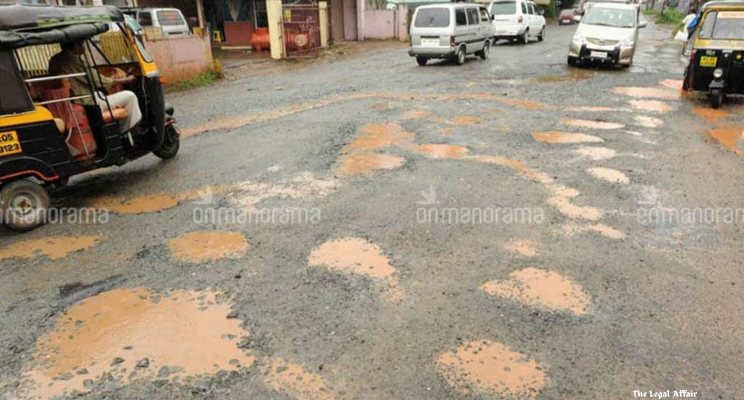
In C P Ajithkumar v State of Kerala [WP(C) No. 32680 of 2008], the Kerala High Court, presided over by Justice Devan Ramachandran, delivered strong oral observations highlighting that the right to a motorable road is a constitutional right under the ambit of the fundamental right to travel. This remark came while hearing a long-pending matter concerning frequent accidents in Kerala due to poor road maintenance, rampant traffic violations, and inadequate enforcement of road safety measures. The petitioner, represented by advocate Tom K. Thomas, has for years sought judicial intervention to compel the authorities to maintain roads and ensure safe travel conditions for citizens. The respondents, represented by multiple counsel including Benhur Joseph Manayani and other senior lawyers, defended the actions of various agencies like the Kochi Municipal Corporation, the Public Works Department (PWD), and the Greater Cochin Development Authority (GCDA). The court has previously directed comprehensive road safety and quality audits, but its repeated orders have seen little more than “peripheral” compliance according to the amicus curiae. The present hearing was triggered by recent tragic accidents—one involving a boy crushed under a bus near Kochi Town Hall, and another in Thrissur where a youth, in an attempt to avoid a pothole, met with a fatal collision in full view of his mother. These incidents prompted the court to sharply remind authorities of their constitutional and legal obligations.
Arguments – Petitioner’s Side:
The petitioner’s counsel, Tom K. Thomas, underscored that citizens are entitled to safe, motorable roads as part of their fundamental right to life and liberty under Article 21 of the Constitution. He argued that the dismal state of Kerala’s roads is a persistent violation of this right, aggravated by negligence in monitoring and maintaining road conditions despite court directives spanning years. The petitioner’s case, bolstered by amici curiae S. Krishna, S. Vinod Bhat, and P. Deepak, emphasized that existing safety measures are sporadic, reactionary, and ineffective. The amicus curiae Vinod Bhat specifically accused the authorities of undertaking only superficial, cosmetic repairs—often patching potholes without structural fixes—leading to recurring hazards. The petitioner’s team contended that every designated engineer responsible for a particular road bears a prima facie duty to inspect and ensure its safety, and any lapse leading to accidents must trigger strict accountability measures, including disciplinary proceedings and, where warranted, criminal liability. They pressed the court to enforce continuous, not seasonal, road safety drives, and to direct the state to set up a robust, transparent monitoring mechanism that enables citizens to report defects in real-time, with mandated timelines for rectification.
Arguments – Respondents’ Side:
Senior Government Pleader K.V. Manoj Kumar, representing the State of Kerala, assured the court that the PWD is actively addressing road safety concerns. He sought additional time to submit the mandated comprehensive audit report, stating that engineers are currently inspecting every road under their jurisdiction, identifying problems, and rectifying them immediately. Counsel for the Kochi Municipal Corporation and other agencies pointed out that road maintenance efforts face challenges such as heavy monsoon damage, budgetary constraints, and the rapid deterioration of newly repaired roads due to overloading of vehicles. They stressed that enforcement agencies, such as the Kochi City Police, have been conducting regular drives against rash driving, especially during monsoons, and that traffic congestion issues are being addressed through traffic modulation plans at key junctions like Vyttila, Chakiath Road, Edappally Church, and Palarivattam. In the Thrissur accident case, counsel Santhosh Poduval informed the court that the engineer responsible for the neglected road has been subjected to departmental action and that the potholes in question have since been repaired. The respondents requested the court’s patience, assuring that the government and allied agencies are committed to long-term improvements in road safety.
Court’s Judgment and Observations:
Justice Devan Ramachandran, while hearing the matter, made a pivotal oral observation that the “right to a motorable road, without any doubt, is now a constitutional right, because the right to travel is within the compass of the fundamental right.” The court noted that this right is not merely aspirational—it imposes an enforceable duty on the State and its agencies to ensure roads are maintained to safe and usable standards at all times. Addressing the government’s request for more time, the court expressed scepticism, echoing the amicus curiae’s concerns about superficial compliance with its orders. Justice Ramachandran stressed that every road has a designated engineer, making them directly responsible for preventing accidents due to poor conditions. Citing the recent tragedies in Kochi and Thrissur, the court described these incidents as “not mere accidents” but preventable occurrences that should have served as wake-up calls. The court commended the Kochi City Police’s anti-rash-driving efforts but insisted that such drives must be constant and not restricted to specific seasons. It took note of the traffic modulation plans to reduce congestion at key junctions and encouraged proactive, collaborative efforts from all stakeholders, especially with the Onam season approaching, when traffic is expected to surge. The court also directed that the amici curiae continue monitoring the situation and that the comprehensive road safety and quality audit report be filed within one month. It emphasised that the judiciary serves as the voice of the citizen in such matters and will not hesitate to hold individuals and agencies accountable for lapses leading to loss of life or injury. The case will be reviewed again next week to assess compliance.