


Introduction:
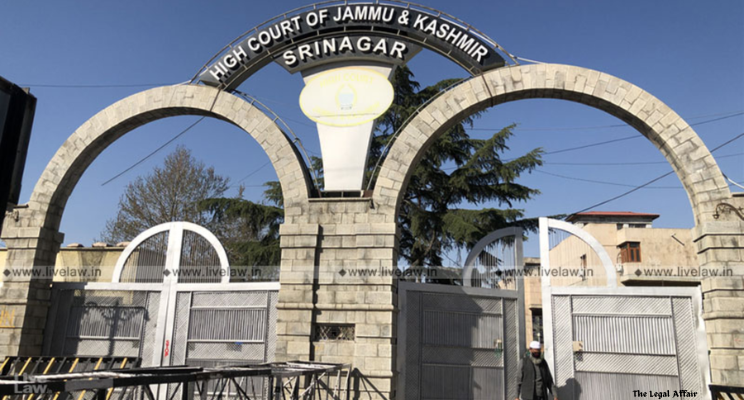
In the case of Sher Mohd. and another vs Union Territory of Jammu & Kashmir, 2025, the Jammu & Kashmir High Court, presided over by Justice M.A. Chowdhary, quashed criminal proceedings against three individuals who had been booked during the COVID-19 pandemic for allegedly violating prohibitory orders issued under Section 144 of the Code of Criminal Procedure (CrPC). The case stemmed from an order dated May 16, 2021, issued by the District Magistrate, Ramban, which restricted public movement as a measure to curb the spread of the virus. The petitioners were charged under Sections 188 and 34 of the Indian Penal Code and Section 51 of the Disaster Management Act, 2005. However, the Court found that the FIR and subsequent chargesheet appeared to be a retaliatory measure against the petitioners for protesting against the district administration, rather than a legitimate action for violation of the COVID-19 restrictions. The judge highlighted that the case lacked the essential ingredients of the alleged offences, and the proceedings seemed aimed at harassment rather than justice.
Arguments of the Petitioners:
The petitioners, represented by Advocate Nadim Bhat, contended that the FIR lodged against them was not based on a genuine breach of the prohibitory order issued under Section 144 CrPC, but rather was a direct consequence of their protest against the district administration’s actions during the pandemic. They argued that their gathering did not qualify as an “unlawful assembly” under the law, as only three individuals were involved, far below the statutory requirement of at least five persons. The petitioners maintained that the charges framed under Sections 188 and 34 IPC and Section 51 of the Disaster Management Act were unsustainable because there was no concrete evidence of their having obstructed public servants or endangered public safety. They further submitted that the FIR was motivated by malice, as the officials concerned appeared to have taken personal offence to the petitioners’ criticism and decided to use the criminal justice process to intimidate them. Emphasising that many States across India had already withdrawn similar pandemic-era cases after the COVID-19 crisis subsided, the petitioners urged the Court to quash the proceedings to prevent continued misuse of law, abuse of judicial process, and unnecessary harassment.
Arguments of the Respondents:
The respondents, represented by Government Advocate Eishaan Dadhichi, defended the initiation of proceedings, contending that the petitioners had indeed violated the prohibitory order issued by the District Magistrate, Ramban, on May 16, 2021. They argued that the order was lawfully made in the interest of public health and safety during the peak of the pandemic, and that non-compliance constituted an offence under the Disaster Management Act as well as under the IPC provisions cited in the FIR. The State maintained that the petitioners’ protest amounted to defiance of lawful authority and could not be condoned merely because the pandemic had since subsided. The respondents insisted that the matter should proceed to trial so that evidence could be examined to determine whether the petitioners’ actions had the potential to disrupt public order or contribute to the spread of COVID-19. They also emphasised that the penal provisions invoked were preventive in nature and intended to deter violations that could compromise the effectiveness of pandemic control measures. According to the State, quashing the FIR at this stage would set an unhealthy precedent, potentially emboldening others to disregard lawful orders issued in the public interest during emergencies.
Court’s Judgment:
After reviewing the case record, Justice M.A. Chowdhary found significant deficiencies in the prosecution’s case. The Court noted that the chargesheet failed to specify the circumstances leading to the protest, the precise nature of the alleged violation, and any evidence demonstrating that the petitioners had endangered public health. The judge observed that the alleged gathering involved only three persons, which could not be termed an “unlawful assembly” as defined under law, which requires at least five individuals. More importantly, the Court concluded that the FIR appeared to have been registered not for any genuine violation of pandemic restrictions but as a retaliatory measure to silence the petitioners for protesting against the administration. The Court characterised the proceedings as “frivolous” and “aimed at harassment,” holding that continuing the trial would amount to an abuse of the judicial process. Justice Chowdhary also took judicial notice of the fact that several States had withdrawn similar cases filed during the COVID-19 period, acknowledging that such prosecutions served no practical purpose once the public health emergency had passed. Consequently, the High Court allowed the petition, quashed the FIR and the chargesheet pending before the Judicial Magistrate, Gool, and ordered that any bail or personal bonds executed by the petitioners stand discharged. The judgment underscored the need to guard against misuse of criminal law for personal or administrative vendetta, particularly in situations where extraordinary powers granted during emergencies could be weaponised against individuals exercising their rights.