


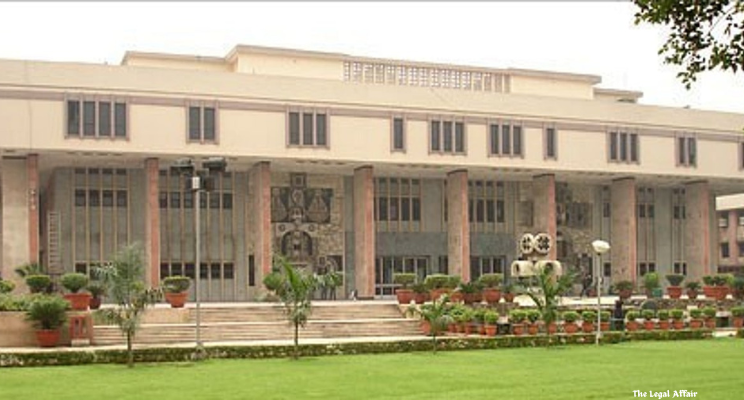
Introduction:
In a landmark judgment, the Delhi High Court, under the stewardship of Justice Swarana Kanta Sharma, addressed the critical issue of medical termination of pregnancy (MTP) for minor rape victims. The case involved a 17-year-old girl who, after being subjected to sexual assault, faced bureaucratic hurdles when seeking an abortion. Despite being accompanied by an Investigating Officer (IO) and having an FIR registered, the victim was denied an ultrasound and subsequent medical procedures due to the absence of identification proof. This delay not only exacerbated her trauma but also highlighted systemic flaws in handling such sensitive cases.
Petitioner’s Perspective:
The petitioner’s legal representatives contended that the hospital’s insistence on identification documents, despite the presence of an IO and official case files, was unwarranted and detrimental. They emphasized that such rigid protocols, especially in cases involving minors and sexual assault victims, could lead to unnecessary delays, further traumatizing the victim. The defense highlighted the urgency of medical intervention in such scenarios and the need for a more compassionate approach.
Respondent’s Standpoint:
The hospital authorities defended their actions by citing standard operating procedures that mandate identification verification before conducting medical procedures. They argued that these protocols are in place to ensure accountability and compliance with legal safeguards, particularly under the PC&PNDT Act. However, they acknowledged the unique nature of the case and expressed willingness to cooperate with any directives issued by the court.
Court’s Judgment:
Justice Sharma, recognizing the gravity of the situation, ruled that hospitals cannot insist on identification proof for minor rape victims when they are presented by an IO with official documentation. The court emphasized that in such sensitive cases, standard procedural safeguards should not be applied rigidly. Key directives issued include:
- Immediate medical examinations for rape victims found to be pregnant.
- Responsibility of the IO to identify the victim and provide necessary documentation.
- Hospitals should not demand identification proof when victims are accompanied by an IO or presented under court/CWC directions.
- Constitution of a Medical Board without waiting for court orders if the gestational period exceeds 24 weeks.
- Consent for MTP to be obtained in a language understood by the victim or guardian.
- Regular training programs for medical staff and legal officers to handle such cases sensitively.
- Designation of a dedicated nodal officer in every government hospital to coordinate MTP and medico-legal processes.
- Development of standardized formats for MTP requests and related procedures.
- Mandatory training for IOs dealing with POCSO and sexual assault cases, focusing on MTP procedures.
The court’s judgment underscores the importance of a compassionate and responsive approach in handling cases involving minor rape victims. By removing bureaucratic obstacles and emphasizing the victim’s well-being, the Delhi High Court has set a precedent for ensuring timely and sensitive medical care in such distressing situations.