


Introduction:
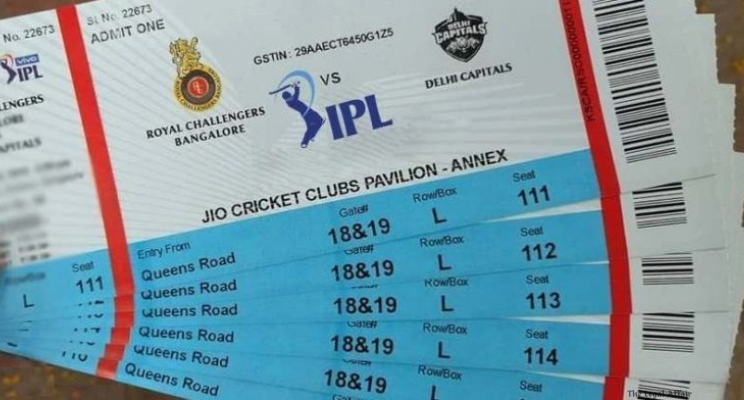
In a significant ruling, the Karnataka High Court has quashed an FIR against a 22-year-old individual accused of reselling Indian Premier League (IPL) match tickets at inflated prices. The petitioner, Somarapu Vamashi, was charged under Section 318(4) of the Bharatiya Nyaya Sanhita (BNS) for allegedly selling ten tickets, originally priced at ₹1,200 each, for ₹6,000 apiece. Justice Suraj Govindaraj presided over the case and allowed the petition to quash the FIR, emphasising the absence of any legal restriction on the resale of such tickets.
Arguments:
Petitioner’s Arguments:
Advocate Kulkarni Ramesh Pampaji, representing Vamashi, argued that the petitioner had purchased the tickets but was unable to attend the match due to unforeseen circumstances. Consequently, he sold the transferable tickets without any intent of profiteering. The defence cited the Punjab and Haryana High Court’s judgment in Mandeep Singh vs. State of U.T Chandigarh and another, where the court quashed an FIR against an individual for reselling cricket match tickets, stating that such resale did not constitute an offence in the absence of a specific legal prohibition.
Prosecution’s Arguments:
The prosecution contended that Vamashi’s actions amounted to black marketing, violating Section 318(4) of the BNS. They emphasised the need to curb such practices to prevent exploitation of genuine fans and maintain the integrity of ticket sales. However, they did not provide evidence of any explicit legal provision prohibiting the resale of IPL tickets.
Court’s Judgment:
Justice Suraj Govindaraj, after reviewing the arguments and the precedent set by the Punjab and Haryana High Court, concluded that the resale of IPL tickets, in the absence of any specific legal restriction, does not constitute an offence under Section 318(4) of the BNS. The court emphasised that continuing the proceedings would amount to an abuse of the legal process. Accordingly, the criminal petition was allowed, and the FIR was quashed.
Conclusion:
The Karnataka High Court’s decision underscores the importance of clear legal provisions when prosecuting individuals for actions like ticket resale. In the absence of explicit prohibitions, such activities cannot be deemed criminal offences. This ruling not only provides relief to the petitioner but also sets a precedent for similar cases in the future.