


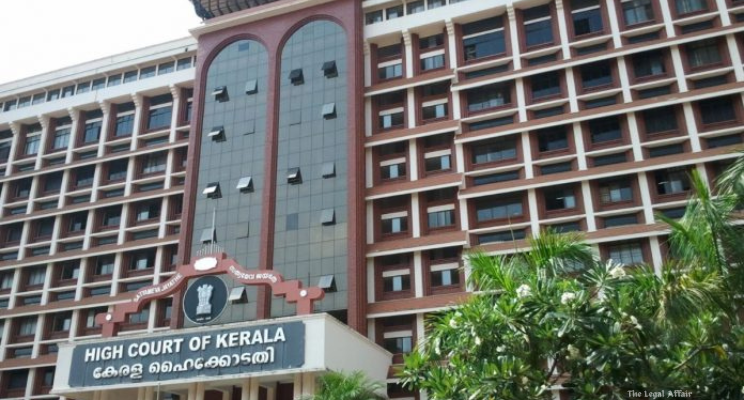
Introduction:
Samajam Higher Secondary School and Others v. State of Kerala and Others
In the landmark case of Samajam Higher Secondary School and Others v. State of Kerala and Others, W.P.(C) No. 36659 of 2022 & Connected Cases, the Kerala High Court delivered a significant judgment affirming the state’s commitment to inclusive education. The petitioners, comprising various aided educational institutions, challenged the government’s orders and circulars that mandated reservations for persons with benchmark disabilities in appointments within government-aided schools. These orders, rooted in the Persons with Disabilities (Equal Opportunities, Protection of Rights and Full Participation) Act, 1995, and the Rights of Persons with Disabilities Act, 2016, aimed to ensure that 3% of vacancies from 07.02.1996 to 18.04.2017 and 4% thereafter were reserved for individuals with benchmark disabilities. The petitioners contended that such mandates infringed upon their autonomy in appointments and posed practical challenges in implementation.
Arguments:
The petitioners raised several concerns:
First Vacancy Reservation: They argued against the government’s directive to reserve the first vacancy in every block of 25 (for 4% reservation) or 33 (for 3% reservation) positions for persons with disabilities. They contended that this approach was inappropriate for horizontal reservations and lacked legal backing.
- Appointments Through Employment Directorate: The petitioners opposed the requirement to fill reserved vacancies through lists provided by the Employment Directorate, asserting that it encroached upon their managerial rights to appoint staff.
- Categorization of Posts: They challenged the classification of posts into categories like Primary, High School, Higher Secondary (Senior and Junior), Vocational Higher Secondary (Senior and Junior), and Non-teaching. The concern was that such categorization could lead to exceeding the stipulated reservation percentage.
- Inclusion of Primary School Teachers: The inclusion of primary school teacher posts in the reservation list was contested, with arguments that such positions might not be suitable for persons with certain disabilities.
- Exclusion of Protected Teachers’ Posts: The petitioners questioned the exclusion of posts reserved for protected teachers from the reservation mandate, suggesting it could undermine the reservation policy’s effectiveness.
Judgement:
The Kerala High Court, presided over by Justice T.R. Ravi, meticulously examined each contention:
- First Vacancy Reservation: The Court upheld the government’s approach, referencing the Supreme Court’s decision in Union of India v. National Federation of the Blind & Others (2013) and the Gujarat High Court’s ruling in State of Gujarat v. Rajesh Motibai Desai (2017). It affirmed that fixing roster points for horizontal reservations was legally sound and essential for addressing backlog vacancies.
- Appointments Through Employment Directorate: The Court found no fault in the government’s directive, emphasizing that the intervention was necessitated by the managers’ failure to fill reserved vacancies. It underscored the state’s role in ensuring compliance with reservation policies.
- Categorization of Posts: The Court noted that the 2016 Act mandates a 4% reservation in each group of posts. It reasoned that the government’s categorization aimed to ensure equitable distribution of opportunities and did not violate statutory provisions.
- Inclusion of Primary School Teachers: The Court observed that the identification of suitable posts for reservation was conducted by an expert committee, considering the functional classification of disabilities and job requirements. It highlighted that similar reservations were already in place in government schools, validating their extension to aided institutions.
- Exclusion of Protected Teachers’ Posts: The Court recognized the rights of protected teachers under existing rules and deemed their exclusion from the reservation mandate as appropriate, ensuring that their entitlements remained unaffected.
In conclusion, the Kerala High Court dismissed the petitions, affirming the legality and necessity of the government’s orders and circulars. It directed educational authorities to process applications for appointment approvals in line with the judgment and interim orders from the Supreme Court within a month.