


Introduction:
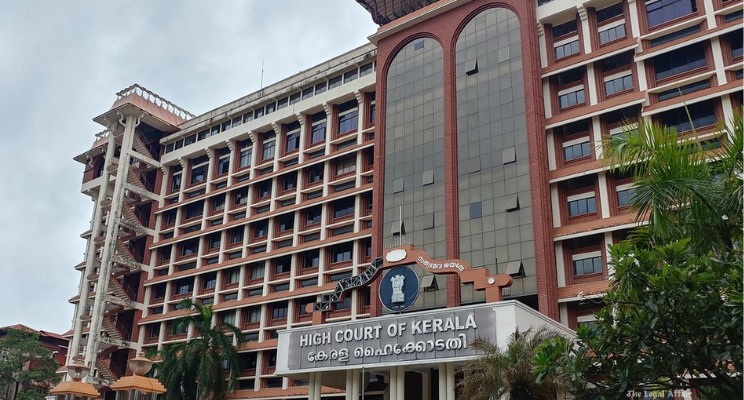
In a recent decision, the Kerala High Court addressed a crucial aspect of criminal procedure concerning the rights of informants and victims. The Court’s ruling in the criminal revision case CRL.RC NO. 2 OF 2024 (2024 LiveLaw (Ker) 579) established that investigating officers must notify the informant or victim about the removal of individuals from the list of accused in the final report, provided they were initially named in the FIR. The judgment, delivered by Justice K Babu, highlights the importance of ensuring that victims and informants are kept informed of significant changes in the legal proceedings affecting the accused.
The case in question revolved around a criminal revision petition filed by an accused challenging the procedural conduct of the investigating officer and the Magistrate. Initially, nine individuals were named as accused in the FIR. However, the final report filed after investigation, in accordance with Section 157 of the CrPC, only included five of these individuals as accused, while removing four from the list and adding one new person. The informant or victim was not notified about these changes, prompting the revision petition.
Petitioner’s Argument:
The petitioner’s counsel argued that the investigating officer failed to comply with Section 157(2) of the CrPC, which mandates that if the officer decides not to proceed with the investigation against some accused, they must notify the informant or victim of this decision. The absence of such notification deprived the informant of the right to be informed about the removal of the accused and potentially undermined the fairness of the legal process. The petitioner’s counsel contended that this procedural lapse warranted the registration of the revision petition and sought a directive for the Magistrate to issue the necessary notice.
Respondent’s Argument:
The respondents, represented by the prosecution, contended that the Magistrate had taken cognizance of the offenses based on the final report and that the procedural requirements were met. They argued that the focus should be on the merits of the case and the evidence against the remaining accused rather than on procedural technicalities. The prosecution maintained that the removal of accused and the inclusion of new ones were based on the findings of the investigation and that the informant’s right to be heard was not fundamentally compromised.
Court’s Judgment:
Justice K Babu, delivering the judgment, underscored the significance of procedural fairness in criminal proceedings. The Court relied on precedents set in Bhagwant Singh v Commissioner of Police (1985) and Anil Kumar v Latha Mohan and Others (2021), which established that the informant or victim should be notified of any significant changes in the array of accused. The Court noted that the investigating officer’s failure to inform the informant or victim about the removal of accused from the list, as well as the Magistrate’s omission to issue notice when taking cognizance of the final report, constituted a procedural irregularity.
The Court ruled that the informant or victim has a right to be informed of changes in the list of accused and to be given an opportunity to be heard. Justice Babu directed the Magistrate to issue notice to the informant or victim regarding the findings of the investigating officer and the resultant changes in the accused list. This decision ensures that victims are not deprived of their right to be informed about the status of the accused and reinforces the principle of procedural fairness in the criminal justice system.