


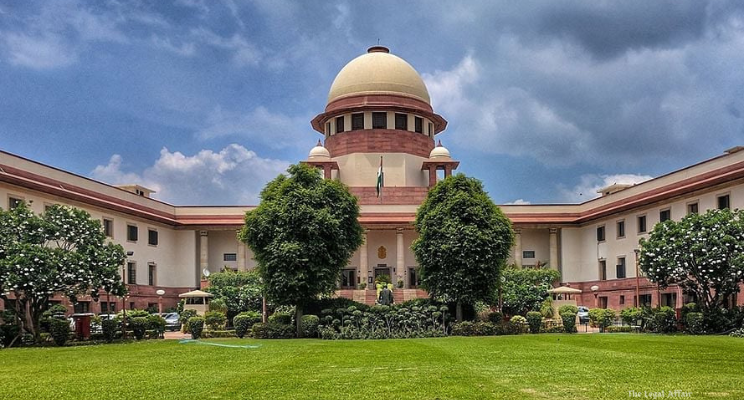
Introduction:
The Supreme Court, in a recent ruling, clarified the principles governing conflicting clauses in legal deeds, emphasizing that earlier clauses prevail if repugnancy exists. The case revolved around the interpretation of a Power of Attorney (PoA) involving land transactions. The court’s decision had implications for a criminal defamation case stemming from alleged misuse of the PoA, ultimately leading to a crucial verdict. Let’s delve into the arguments presented by the parties and the Supreme Court’s nuanced judgment.
Arguments:
The matter involved clauses in a Power of Attorney (PoA) related to land transactions, specifically Clauses 3, 11, and 15. The landowners alleged criminal acts by the PoA holders, leading to a registration of an FIR. The appellant, a purchaser involved in the transaction, sought quashing of the FIR, challenging the interpretation of the clauses. The key contention was whether the later clause (Clause 15) was repugnant to the earlier clauses (Clauses 3 and 11) and, if so, which clauses should prevail.
Court’s Judgement:
The Supreme Court, comprising Justices Vikram Nath and Ahsanuddin Amanullah, undertook a thorough examination of the PoA’s clauses. The court ruled that if clauses cannot be reconciled, earlier clauses prevail. It harmoniously interpreted the clauses, highlighting that Clause 15 was an addition, not in derogation of Clauses 3 and 11. The court referred to legal precedents and stressed the need to render all clauses effective. It distinguished situations where a conflict might arise if the PoA holder executed a different sale deed without presenting the one signed by the landowners.