


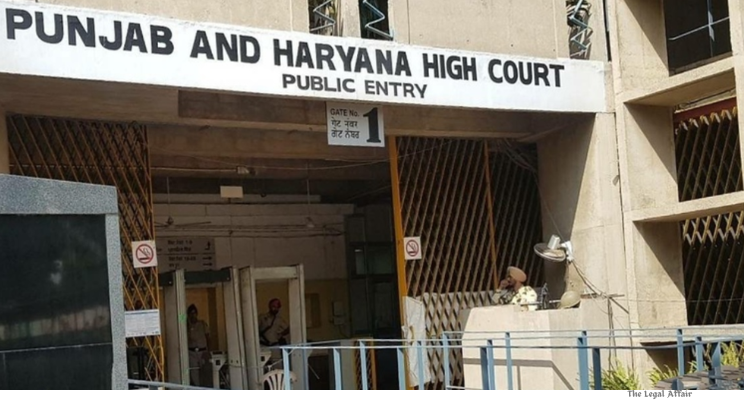
Introduction:
The Punjab & Haryana High Court recently closed a suo motu contempt case against Hisar District Court advocates Mulakh Raj Mehta and Mahesh Mehta, editor of the local daily Hisar Today. The case stemmed from news articles alleging corrupt practices involving bribes for favorable orders in the judiciary. Justice Sureshwar Thakur and Justice Sudeepti Sharma, while acknowledging the media’s role in fostering transparency, accepted the unconditional apology tendered by the alleged contemnors. The Court invoked Section 13 of the Contempt of Courts Act, 1971, which permits justification by truth as a defense if it serves the public interest and is invoked in good faith, ultimately deciding to protect public interest and preserve the judiciary’s integrity.
Arguments of Both Sides:
The contempt petition originated from a letter by an Additional District and Sessions Judge, requesting proceedings against the alleged contemnors for publishing baseless and defamatory articles in Hisar Today on February 6 and February 16, 2019. The articles claimed that bribes were solicited on behalf of judges for favorable orders. The petition alleged that the publications aimed to undermine the judiciary’s dignity and were driven by ulterior motives.
The alleged contemnors defended their actions by invoking Section 13 of the Contempt of Courts Act. They argued that the articles were published in good faith and in public interest, asserting that the allegations were backed by truthful information intended to promote judicial transparency. They emphasized their role as watchdogs of democracy, striving to expose corruption and uphold public trust in institutions. Furthermore, the contemnors tendered an unconditional and unqualified apology, withdrawing all earlier disparaging news items.
The petitioner, represented by the judiciary, contended that the articles lacked factual accuracy and had malicious intent. It was argued that such baseless allegations tarnish the judiciary’s image, disrupt its functioning, and undermine public confidence in the justice system. The petitioner sought exemplary action against the contemnors to deter similar incidents.
Court’s Judgment:
The division bench of the Punjab & Haryana High Court balanced the conflicting interests of judicial dignity and freedom of the press. The bench examined the arguments and evidence presented by both sides, focusing on the applicability of Section 13 of the Contempt of Courts Act. The Court noted that Section 13 allows justification by truth as a defense if it serves the public interest and is invoked bona fide.
The Court observed that the articles published in Hisar Today highlighted allegations of corruption within the judiciary, a matter of significant public concern. The bench recognized that the media serves as a vital pillar of democracy, tasked with promoting transparency and accountability in governance. It opined that stifling genuine investigative efforts by the press could harm public interest and shield institutional wrongdoing.
While acknowledging the defamatory nature of the articles, the Court accepted the contemnors’ defense that the publications aimed to expose potential corruption and foster transparency. The bench emphasized that public interest and the judiciary’s integrity would remain unprotected if media efforts to uncover wrongdoing were unduly restricted.
The Court also considered the contemnors’ unconditional apology and withdrawal of all disparaging articles. It opined that the apology demonstrated genuine remorse and a willingness to correct any unintended harm caused by the publications. The bench remarked that the apology, coupled with the defense of good faith and public interest, appealed to the Court’s judicial conscience.
Concluding that the contemnors acted in good faith and with bona fide intent, the Court discharged them of contempt charges and closed the proceedings. The bench emphasized that the judiciary must strike a delicate balance between protecting its dignity and safeguarding the freedom of the press, which serves as a cornerstone of democracy.