


Introduction:
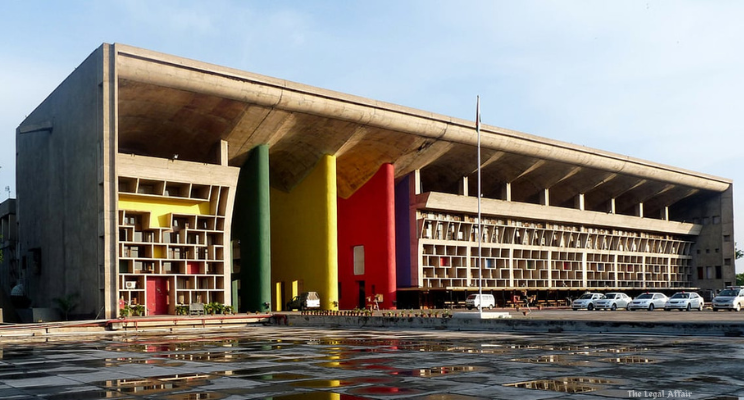
In the case of Sahil and Others v. Staff Selection Commission North Western Region and Others, the Punjab & Haryana High Court addressed a serious case of forgery in public recruitment exams. The writ petition was filed by six candidates who had been debarred by the Staff Selection Commission, North West Region (SSC-NWR), for three years after they were found to have submitted forged disability certificates. The petitioners challenged the debarment order, arguing that it was unjust and sought relief from the court. However, Justice Vinod Bhardwaj, presiding over the case, dismissed their plea, emphasizing the increasing trend of candidates resorting to forgery to gain an unfair advantage in competitive exams. The court took a strong stance against such fraudulent practices, directing SSC-NWR to report all such cases to law enforcement authorities under the Bharatiya Nagarik Suraksha Sanhita, 2023. The judgment also called for an investigation by the State Vigilance Bureau, Haryana, into the issuance of these forged certificates, signaling the judiciary’s zero tolerance for malpractices in public recruitment processes.
Arguments of Both Sides:
The petitioners contended that their debarment from recruitment exams was arbitrary and violated their rights. Their counsel, Mr. Sukesh Kumar Jindal, argued that the alleged forgery was not conclusively proven, and the verification process used by the authorities was flawed. He further asserted that the petitioners were genuine candidates who had legally obtained their disability certificates, and the rejection of their documents was based on an erroneous report. The petitioners also submitted an additional set of documents refuting the authorities’ claims, insisting that the verification reports denying the issuance of their disability certificates were incorrect. However, when the court indicated its intention to conduct an independent investigation into the matter, the petitioners sought to withdraw their plea, raising suspicions about their claims.
On the other hand, the respondents, represented by Senior Panel Counsel Mr. Indresh Goel and Deputy Advocate General Ms. Tanisha Peshawaria, argued that the petitioners had engaged in blatant misconduct by submitting forged disability certificates to avail benefits such as compensatory time and a scribe during the examination. The authorities had conducted a thorough verification of the certificates submitted by the petitioners, revealing that they were purportedly issued by the offices of Chief Medical Officer-cum-Civil Surgeon, Jind, and Fatehpur in Uttar Pradesh, despite none of the petitioners being residents of those districts. Upon further inquiry, the respective medical offices confirmed that no such certificates had been issued. The respondents emphasized that the petitioners’ attempt to dispute the verification report with yet another set of fabricated documents demonstrated their clear intention to defraud the recruitment system. They maintained that the debarment was justified to uphold the integrity of the recruitment process and prevent similar fraudulent activities in the future.
Court’s Judgment:
After carefully examining the submissions and evidence presented, the High Court upheld the debarment order, refusing to grant any relief to the petitioners. Justice Vinod Bhardwaj condemned the growing tendency of candidates to use illegal methods, such as forging certificates, to obtain undue advantages in recruitment exams. He asserted that condoning such fraudulent behavior would encourage a disregard for the rule of law and deprive genuine candidates of their rightful opportunities. The court found that the petitioners not only attempted to deceive the authorities by submitting forged disability certificates but also showed audacity by challenging the verification process with additional fabricated documents. Justice Bhardwaj pointed out the suspicious nature of all six petitioners securing certificates from districts where they were not residents, stating that this coincidence alone was enough to cast serious doubts on the authenticity of their claims. The court concluded that the petitioners were violators of the law who sought preferential treatment over other candidates by unfair means.
To ensure strict action against such fraudulent activities, the High Court directed the Staff Selection Commission – North West Region, Chandigarh, to report all cases of document forgery to the office of the Senior Superintendent of Police, U.T. Chandigarh. The court also instructed the State Vigilance Bureau, Haryana, to conduct a detailed inquiry into the issuance of the forged disability certificates and submit a report within three months. Additionally, the State of Haryana, through the Additional Chief Secretary (Home), was added as a respondent in the case to facilitate the investigation. The court’s decision serves as a stern warning against document forgery in recruitment processes, reinforcing the judiciary’s commitment to maintaining transparency and fairness in public examinations.