


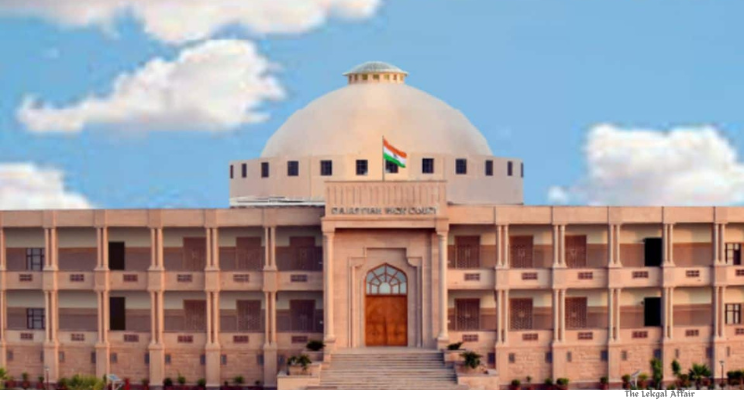
Introduction:
In Islam Khan and Others v State of Rajasthan and Others, the Rajasthan High Court was confronted with deeply disturbing allegations regarding routine police practices that allegedly involved forcing arrested persons to sit at the entrance of police stations, compelling them to pose for photographs in humiliating positions and in some cases even requiring them to remain in undergarments inside lock ups, after which such photographs were circulated widely on social media platforms and in newspapers, prompting the Court to examine the issue not merely as an isolated incident but as a serious systemic threat to constitutional guarantees, the petitioners approached the Court stating that this practice had become alarmingly common and had transformed arrest procedures into public spectacles of humiliation, particularly affecting vulnerable individuals including women, and that such acts destroyed reputation and dignity even before guilt could be determined by a court of law, Justice Farjand Ali treated the matter with utmost seriousness and framed it as a question of protection of Article 21 of the Constitution which guarantees the right to life with dignity and self respect and not merely physical existence, the Court emphasized that arrest does not strip a person of human rights and that the police as an institution entrusted with protection of citizens cannot become a source of public shaming and psychological harm, the case thus raised fundamental issues of constitutional morality, rule of law and the presumption of innocence that lies at the heart of criminal jurisprudence.
Arguments:
The petitioners argued that the practice of forcing arrestees to sit at the police station entrance and clicking their photographs was not part of any lawful procedure under the Code of Criminal Procedure and had no legal sanction, they submitted that such actions were carried out solely for publicity and intimidation and served no investigative purpose, they further contended that circulating such photographs in newspapers and online platforms permanently damaged reputation, family life and social standing and in the case of women could severely affect marriage prospects and mental health, the petitioners emphasized that even if an accused is later acquitted the stigma created by viral images never fully disappears and therefore the harm caused is irreversible, they relied upon constitutional principles that every individual is presumed innocent until proven guilty and that public parading of accused persons violates this principle by portraying them as criminals even before trial, they also pointed out that forcing individuals to strip or remain in undergarments inside lock ups constituted cruel and degrading treatment and amounted to custodial abuse, on the other hand the State did not provide any justification for such practices at this stage and the Court primarily focused on calling for accountability and institutional safeguards, the Court also took suo motu note of a newspaper report involving a practicing advocate whose humiliating photographs were circulated by police and treated it as evidence of the widespread nature of the problem, thereby reinforcing the need for immediate judicial intervention.
Court’s Judgment:
The Rajasthan High Court delivered strong and unequivocal observations condemning the alleged practices and held that forcing arrestees to sit on the floor, partially disrobing them, photographing them in degrading conditions and circulating those images publicly amounts to institutional humiliation and a direct assault on human dignity, the Court categorically stated that Article 21 guarantees not only life but life with dignity, honour and self respect and that these rights do not vanish upon arrest, Justice Farjand Ali observed that such acts are plainly inhuman and degrading and reflect unbridled caprice wholly unbecoming of a disciplined force entrusted with safeguarding citizens rights, the Court emphasized that any act that publicly parades an accused as a culprit prior to adjudication of guilt strikes at the root of constitutional morality and rule of law, the Court further recognized the unique and lasting harm caused by digital circulation of images noting that once photographs enter the public domain the stigma becomes permanent and even acquittal cannot erase the social consequences, especially for unmarried women whose social prospects and psychological well being may be severely damaged, the Court therefore directed the Superintendent of Police Jaisalmer to file an affidavit responding to the allegations and to make immediate arrangements for deletion of such photographs and related content from web portals social media handles and other platforms wherever uploaded by or on behalf of police authorities, additionally taking note of the incident involving an advocate in Jodhpur the Court directed the Commissioner of Police Jodhpur to ensure removal of such images within twenty four hours and to submit a detailed report regarding institutional safeguards to prevent recurrence of such incidents, the Court characterized the issue as a serious and systemic threat to the fundamental right to life with dignity and listed the matter for further hearing on January 28 2026, thereby making it clear that continued judicial monitoring would follow and that accountability of police authorities would be strictly enforced.