


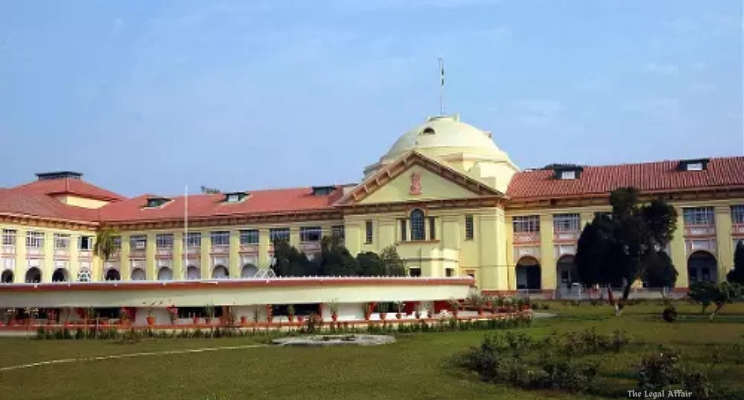
Introduction:
In a significant judgment, the Patna High Court has clarified that probate proceedings terminate upon the death of the executor named in a will, and the executor’s legal heirs cannot be substituted in their place. This decision, rooted in Section 222 of the Indian Succession Act, of 1925, highlights the principle that the right to obtain probate is exclusive to the executor named in the will. Justice Arun Kumar Jha, delivering the verdict, also observed that legal heirs or representatives of the deceased executor can pursue alternative remedies such as filing a petition under Section 276 of the Act for letters of administration with the will annexed, but cannot substitute themselves in ongoing probate proceedings.
Background:
The case arose when a trial court allowed the substitution of the deceased executor’s legal heirs as plaintiffs in probate proceedings. Aggrieved by this decision, the petitioner sought redress, arguing that the trial court’s ruling contravened established legal principles under the Indian Succession Act. The petitioner contended that the substitution of legal heirs in place of the executor was procedurally flawed and legally unsustainable.
Relevant Provisions:
Section 222: Probate is granted only to the executor named in the will, and this right does not devolve upon the executor’s legal heirs.
Section 276: Provides an alternative route for beneficiaries or heirs to apply for letters of administration with the will annexed, distinct from probate proceedings.
Arguments by the Petitioner:
The petitioner challenged the trial court’s decision to substitute the executor’s legal heirs in ongoing probate proceedings, asserting that:
Exclusive Right of Executor: Section 222 expressly confines the right to obtain probate to the executor appointed by the will, either explicitly or by necessary implication.
No Legal Provision for Substitution: There is no statutory basis for substituting the legal heirs of an executor in probate proceedings.
Procedural Violation: By substituting the legal heirs of the executor as plaintiffs, the trial court effectively undermined the statutory framework of probate and succession laws.
Alternative Remedy: Legal heirs could seek letters of administration under Section 276 but could not directly step into the role of the deceased executor in probate proceedings.
Arguments by the Respondents:
The respondents, representing the legal heirs of the deceased executor, argued that:
Continuity of Probate Proceedings: Allowing the substitution of the executor’s legal heirs would ensure the continuation of probate proceedings without unnecessary delays.
Equitable Justice: Denying substitution would leave the will unproven, potentially affecting the rights of beneficiaries.
Substantial Compliance: The respondents contended that their substitution did not materially alter the probate process and should be permitted to honour the testator’s intent.
Court’s Observations:
Justice Arun Kumar Jha placed significant reliance on Section 222 of the Indian Succession Act, emphasizing that probate rights are exclusive to the executor named in the will. Key observations included:
- Statutory Limitation: The Court unequivocally stated that the substitution of legal heirs for a deceased executor is impermissible in probate proceedings. The right to obtain probate cannot devolve upon the executor’s heirs.
- Termination of Probate Proceedings: Upon the executor’s death, ongoing probate proceedings come to an end. Legal heirs seeking to establish the validity of the will must pursue a separate application for letters of administration under Section 276 of the Act.
- Judicial Precedents: The Court referred to earlier Division Bench decisions in Musammat Phekni v. Musammat Manki (1929) and Bihari Lal Mahton Tetak Gayawal v. Ganga Dai Tatkain & Ors. (1917), which reinforced the principle that probate proceedings cannot be continued by the executor’s heirs.
- An error by the Trial Court: The Court found that the trial court erred in substituting the legal heirs as plaintiffs, bypassing the statutory framework and establishing judicial precedents.
Judgment:
The High Court set aside the trial court’s decision to substitute the executor’s legal heirs as plaintiffs in probate proceedings. It held that the trial court had acted contrary to law by permitting such substitution. The Court reiterated that while legal heirs could file a petition under Section 276 for letters of administration with the will annexed, they could not directly replace the deceased executor in probate proceedings.
The petition was allowed, and the Court reinforced the principle that probate rights are exclusive to the executor named in the will.
Conclusion:
The Patna High Court’s ruling underscores the exclusive nature of probate rights vested in the executor named in a will. It reinforces that upon the executor’s death, ongoing probate proceedings automatically terminate, and legal heirs must pursue alternative remedies. This judgment upholds the statutory framework of the Indian Succession Act and ensures adherence to established principles of probate law.