


Introduction:
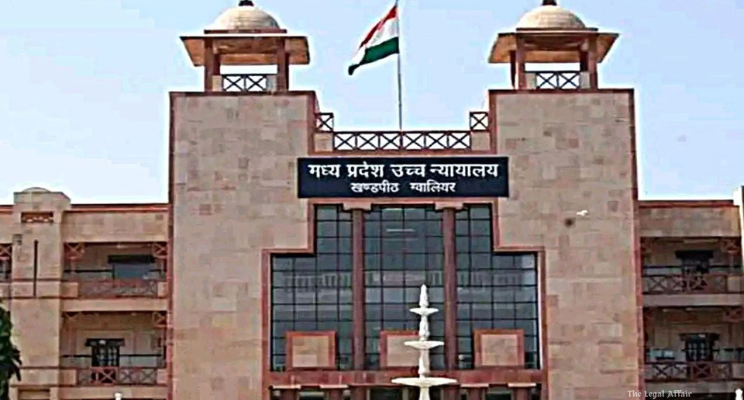
In Rinku Lodha v. State of Madhya Pradesh (CRR-13-2023), the Madhya Pradesh High Court addressed a significant legal question regarding the interpretation of abetment to suicide under Section 306 of the Indian Penal Code. The case arose from allegations that the petitioner, who had lent money to the deceased, was responsible for the deceased’s suicide after allegedly demanding repayment of the loan and retaining the deceased’s motorcycle as security. The Trial Court had framed charges against the petitioner under Section 306 IPC, concluding that the petitioner’s actions amounted to harassment which allegedly led the deceased to take the extreme step of ending his life. The petitioner challenged this order by filing a revision petition before the High Court, contending that the essential ingredients required to establish abetment to suicide were absent in the case. The matter was heard by Justice Pushpendra Yadav, who examined the legal standards governing abetment and the factual circumstances surrounding the incident. The case presented the Court with an opportunity to clarify the scope of criminal liability in cases involving financial disputes and alleged harassment leading to suicide. The Court ultimately held that mere demand for repayment of money or retention of property as security cannot automatically amount to instigation or abetment to suicide unless it is accompanied by intentional conduct compelling the victim to take such a drastic step. The judgment reinforces the principle that criminal liability for abetment to suicide must be based on clear evidence of intentional provocation or instigation and cannot be inferred solely from ordinary financial transactions or disputes.
Arguments Of The Prosecution:
The prosecution contended that the petitioner’s conduct created mental harassment that drove the deceased to commit suicide. According to the prosecution, the deceased had borrowed a sum of one lakh rupees from the petitioner and was under pressure to repay the loan amount. The prosecution alleged that the petitioner repeatedly demanded repayment and on the day of the incident retained the deceased’s motorcycle, which allegedly caused severe emotional distress to the deceased. The prosecution relied upon statements recorded from five relatives of the deceased and two other witnesses who claimed that the deceased was distressed due to financial pressure and harassment from the petitioner. The prosecution argued that harassment arising from persistent demands for repayment of debt can constitute abetment to suicide if such conduct creates circumstances that leave the victim feeling helpless or humiliated. It was contended that the petitioner’s actions, particularly the act of retaining the deceased’s motorcycle, amounted to coercive behaviour intended to force repayment and thereby contributed to the mental state that resulted in suicide.
The prosecution further argued that abetment does not necessarily require direct instigation through explicit words or commands. According to them, abetment can also arise from conduct that indirectly pressures or humiliates a person to such an extent that the victim perceives suicide as the only escape from the situation. The prosecution submitted that financial disputes often involve power imbalances and emotional stress, particularly when the borrower is unable to repay the debt and faces social or personal humiliation. It was argued that the petitioner’s conduct should be examined in the broader context of harassment and mental pressure experienced by the deceased. The prosecution therefore supported the Trial Court’s decision to frame charges under Section 306 IPC and argued that the matter required detailed examination through trial rather than dismissal at the preliminary stage. The prosecution emphasised that the statements of witnesses indicating harassment were sufficient to establish prima facie material for proceeding with the trial.
Arguments Of The Petitioner:
The petitioner strongly challenged the framing of charges under Section 306 IPC and argued that the Trial Court failed to examine the essential legal ingredients required to establish abetment to suicide. The petitioner contended that the allegations made by the prosecution, even if accepted at face value, did not demonstrate any intentional instigation, provocation, or encouragement to commit suicide. The petitioner argued that demanding repayment of money lent to another person is a lawful act and cannot be construed as criminal conduct. The petitioner further submitted that retaining the deceased’s motorcycle was merely a form of security or compensation and did not involve any coercive or threatening behaviour intended to force the deceased to commit suicide. The petitioner emphasised that Section 107 IPC, which defines abetment, requires clear evidence of instigation, conspiracy, or intentional aid in the commission of an offence. The petitioner argued that the prosecution failed to produce any evidence showing that he intended to drive the deceased towards suicide or that his actions created circumstances leaving the deceased with no alternative but to end his life.
The petitioner also argued that the Trial Court erred in assuming that financial disputes or demands for repayment automatically amount to harassment capable of constituting abetment to suicide. The petitioner emphasised that criminal liability under Section 306 IPC requires proof of a direct nexus between the accused’s conduct and the victim’s decision to commit suicide. The petitioner submitted that the prosecution failed to establish such a causal link and relied solely on general allegations of harassment without demonstrating specific acts of instigation. The petitioner further contended that if ordinary financial disputes are treated as abetment to suicide, it would result in misuse of criminal law and unjustly penalise individuals exercising legitimate rights to recover money owed to them. The petitioner therefore urged the Court to set aside the order framing charges and discharge him from criminal proceedings.
Court’s Judgment:
Justice Pushpendra Yadav carefully examined the legal principles governing abetment to suicide and analysed the evidence presented by the prosecution. The Court emphasised that Section 306 IPC imposes criminal liability only when the accused has abetted the commission of suicide and that abetment must be established in accordance with the definition provided under Section 107 IPC. The Court observed that abetment involves instigation, conspiracy, or intentional assistance in the commission of an offence and that mere allegations of harassment or financial disputes are insufficient to establish criminal liability unless accompanied by clear evidence of intentional provocation. The Court reiterated that the offence of abetment by instigation depends primarily upon the intention of the accused and requires proof that the accused’s conduct was designed to provoke or encourage the victim to commit suicide. The Court held that in cases involving suicide, it is essential to examine whether the accused committed an overt act that created circumstances leaving the victim with no reasonable alternative but to take the extreme step.
Applying these legal principles to the facts of the case, the Court observed that the only allegation against the petitioner was that he demanded repayment of money and retained the deceased’s motorcycle. The Court held that such actions, even if proved, do not ordinarily constitute conduct capable of driving a person to commit suicide. The Court further observed that if a borrower commits suicide, the lender’s objective of recovering money is defeated, which indicates absence of intention to provoke such an outcome. The Court emphasised that criminal liability cannot be based on speculative or emotional assumptions but must be supported by clear and convincing evidence demonstrating intentional instigation. The Court noted that the prosecution failed to produce any material showing that the petitioner threatened, humiliated, or coerced the deceased in a manner that could reasonably be interpreted as instigation to commit suicide. The Court also observed that statements of relatives alleging harassment were general in nature and did not establish specific acts of provocation or intentional encouragement to commit suicide.
The Court concluded that the Trial Court erred in framing charges under Section 306 IPC without examining whether the essential ingredients of abetment were satisfied. The Court held that allowing criminal proceedings to continue in the absence of prima facie evidence of instigation would amount to misuse of criminal law and cause undue hardship to the accused. The Court therefore allowed the revision petition and set aside the order framing charges under Section 306 IPC. The judgment emphasises the need for careful judicial scrutiny in cases involving allegations of abetment to suicide and reinforces the principle that criminal liability must be based on clear evidence of intentional conduct rather than ordinary disputes or lawful actions.