


Introduction:
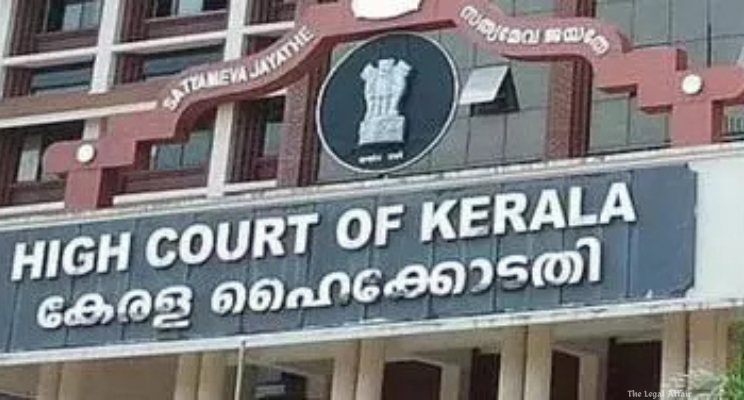
The Kerala High Court in Vellinakshathram and Others v State of Kerala and Others delivered an important ruling clarifying the scope of criminal defamation in the digital age. The case was heard by Justice G. Girish who examined whether redisplaying allegedly defamatory content that was originally posted on a social media platform could attract criminal liability under the provisions of the Section 499 of the Indian Penal Code which defines the offence of defamation and Section 500 of the Indian Penal Code which prescribes punishment for the offence. The petition before the High Court was filed by the editors and publishers of Vellinakshatram magazine seeking quashing of a criminal complaint filed against them before a Magistrate. The complaint had been initiated by an actor and director who alleged that the accused had harmed his reputation by publishing on their website derogatory statements that had earlier appeared in a Facebook group discussion. According to the complainant these statements portrayed him as a person of questionable character and implied that he supported a rapist for personal benefit. The complainant asserted that after these statements were republished on the website many of his friends and associates read them and formed a negative opinion about him thereby damaging his reputation in the film and television industry. The Magistrate had taken cognizance of the complaint recorded the sworn statement of the complainant and issued summons to the accused to face trial for the offence of criminal defamation. Challenging this order the accused approached the High Court arguing that they had merely reproduced statements that were already circulating in the public domain and therefore could not be held liable for defamation. The case thus raised significant questions regarding the liability of media platforms and online publications that reproduce or amplify statements originally posted on social media.
Arguments of the Petitioners:
The petitioners who were the magazine and its editors approached the High Court seeking quashing of the criminal complaint primarily on the ground that the essential ingredients of defamation were not satisfied in the present case. Their first contention was that the allegedly defamatory statements had not originated from them but had already been published by another individual in a Facebook group where both the complainant and the first accused were members. According to the petitioners the first accused who was also a film personality had posted certain comments in the group during an ongoing controversy relating to the arrest of a prominent actor in connection with the rape of an actress. These comments allegedly criticized the complainant and questioned his stance in the controversy. The petitioners argued that the statements were already accessible to members of the public through the Facebook group and therefore their subsequent reproduction on the website could not amount to a fresh act of defamation. The petitioners further argued that they had acted merely as a reporting platform that reproduced content already available in the public domain. According to them once a statement has already reached the public domain the act of repeating or reproducing the same statement does not cause any new harm to reputation because the information is already known to the public. The petitioners therefore contended that criminal liability for defamation should attach only to the person who originally made the defamatory statement and not to those who subsequently report or reproduce it. Another argument advanced by the petitioners was that the statements reproduced on their website did not contain any imputation that could legally amount to defamation under Section 499 of the Indian Penal Code. They argued that the comments merely reflected an opinion expressed during a public controversy and did not contain any factual allegations that could lower the complainant’s moral or intellectual character in the eyes of society. According to the petitioners the complainant had misinterpreted the statements and exaggerated their effect in order to initiate criminal proceedings. The petitioners also relied upon several judicial precedents in support of their plea for quashing the complaint including the decisions in Malayalam Communications Limited v. K. C. Venugopal, Mammen Mathew v. K. Bhaskaran Master and Jaideep Bose v. M/s Bid and Hammer Auctioneers Pvt Ltd. These cases were cited to argue that courts have previously recognized limits on the liability of publishers and editors in cases involving allegedly defamatory publications. Based on these arguments the petitioners requested the High Court to exercise its inherent jurisdiction and quash the criminal proceedings initiated against them.
Arguments of the Respondents:
The respondents including the complainant and the State strongly opposed the plea seeking quashing of the complaint. The complainant argued that the petitioners had deliberately republished highly derogatory statements about him on their website without verifying the truth of the allegations or considering the potential damage to his reputation. According to the complainant the controversy between him and the first accused had arisen in the context of a sensitive issue involving the arrest of a prominent actor accused of rape. During this dispute the first accused had posted certain remarks in a Facebook group which allegedly portrayed the complainant as someone who supported a rapist for personal gains. The complainant argued that these statements were not merely expressions of opinion but were serious allegations that questioned his moral character and integrity. The complainant further contended that when the petitioners reproduced these statements on their website the reach and impact of the defamatory content increased significantly. Unlike a private Facebook group the website operated by the petitioners had a much wider audience and therefore the republication amplified the harm caused to his reputation. According to the complainant many of his friends colleagues and well wishers came across the article on the website and formed a negative impression about him after reading the allegations. The complainant also argued that the petitioners had acted without good faith and that they were influenced by the first accused when they decided to publish the statements. It was alleged that the petitioners did not undertake any effort to verify the truth of the allegations or seek the complainant’s response before publishing the content. Instead they simply reproduced the derogatory words which had the effect of spreading defamatory material to a larger audience. The respondents therefore argued that the act of republishing the statements constituted a fresh act of publication and therefore attracted criminal liability under the provisions of Section 499 of the Indian Penal Code. The respondents also contended that the question whether the statements were defamatory or whether they fell within any of the statutory exceptions could only be determined during trial and not at the stage of a quashing petition.
Court’s Judgment:
After carefully examining the rival submissions and the materials placed before it the Kerala High Court dismissed the petition seeking quashing of the criminal complaint. Justice G. Girish delivered a detailed judgment clarifying the legal principles governing criminal defamation in cases involving republication of allegedly defamatory material. The Court first addressed the central argument advanced by the petitioners namely that they had merely reproduced statements that were already available in the public domain. The Court rejected this contention and held that the law relating to defamation does not distinguish between the original publication of defamatory content and the subsequent republication of the same content through another medium. The Court observed that Section 499 of the Indian Penal Code does not create any such distinction and therefore a person who republishes defamatory statements can also be held liable for defamation. The Court explained that if a publication contains any imputation that is capable of harming the reputation of a person the fact that the same statement had previously appeared elsewhere does not automatically absolve the person who republishes it. In other words the law treats each act of publication as an independent act capable of giving rise to liability if it satisfies the ingredients of defamation. The Court further clarified that the only circumstances in which a person may escape liability for publishing defamatory material are those covered by the statutory exceptions contained in Section 499 of the Indian Penal Code. These exceptions include situations where the statement is made in good faith for the protection of public interest or where it constitutes fair comment on a matter of public concern. However the Court observed that at the stage of considering a petition for quashing it could not be conclusively determined whether the publication fell within any of these exceptions. Such issues could only be examined after evidence is led during the trial. The Court also examined the second argument raised by the petitioners that the statements were not defamatory in nature. After reviewing the contents of the impugned publication the Court concluded that the words used were prima facie capable of lowering the moral and intellectual character of the complainant in the eyes of others. The Court observed that the statements portrayed the complainant as someone who supported a rapist for personal gains which was a serious allegation likely to damage his reputation within the film and television industry. The Court further took note of the complainant’s sworn statement in which he had asserted that several of his friends and well wishers developed a negative impression about him after reading the article published on the website. According to the Court this assertion indicated that the publication had indeed affected the complainant’s reputation among those who read it. The Court also considered the allegation made by the complainant that the petitioners were influenced by the first accused and had published the statements without acting in good faith. Although the Court did not make a definitive finding on this allegation it observed that such issues required examination during trial and could not be decided at the preliminary stage of a quashing petition. With respect to the precedents cited by the petitioners the Court held that those decisions were distinguishable on the facts and therefore did not apply to the present case. Consequently the Court concluded that the complaint disclosed the essential ingredients of the offence of defamation and that the Magistrate had acted within his jurisdiction in taking cognizance and issuing summons to the accused. The High Court therefore refused to interfere with the proceedings and dismissed the petition seeking quashing of the complaint.