


Introduction:
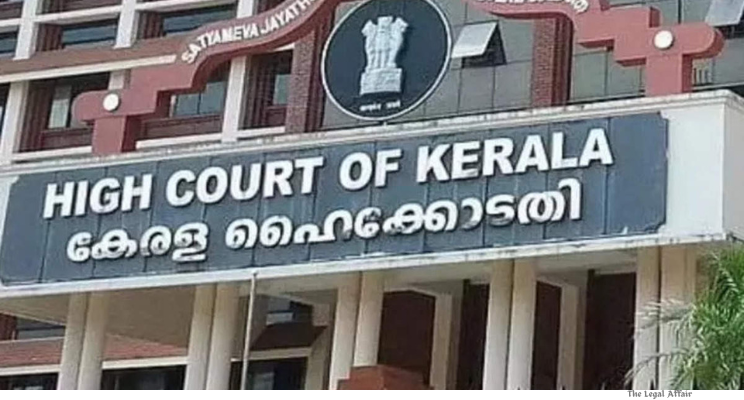
In a pivotal ruling, the Kerala High Court addressed significant gaps in India’s food safety laws by quashing the prosecution against a major beverage manufacturer accused of selling unsafe and misbranded products. The case centered around conflicting reports from a Food Analyst and a Referral Food Laboratory regarding the safety of a “Mint & Lemon Flavoured Green Ice Tea.” Justice P.V. Kunhikrishnan emphasized the need for clearer legislation under the Food Safety and Standards Act of 2006, ensuring food safety regulations are strong enough to protect consumers while maintaining legal fairness.
This case not only impacted the accused company but also raised broader concerns about the reliability and adequacy of the existing food safety framework in India.
Petitioner’s Arguments:
The petitioner, Pepsico India Holdings Private Limited, argued that the prosecution should be quashed due to conflicting findings between the Food Analyst and the Referral Laboratory. Under the Food Safety and Standards Act, a valid prosecution requires a consensus between these reports. In this case, the Food Analyst’s report flagged the product as unsafe due to the presence of saccharin, while the Referral Laboratory identified a labeling issue (caffeine content) but did not declare the product unfit for consumption.
The defense stressed that conflicting reports prevent legal action, as a clear agreement on safety is essential. The counsel argued that the law should not allow punishment when regulatory uncertainty exists, calling for legislative reforms to prevent similar cases.
State’s Arguments:
The state, represented by the Additional Director General of Prosecution, contended that the prosecution could still proceed despite discrepancies. They argued that the state’s responsibility to protect public health under the Food Safety and Standards Act should take precedence. The prosecution maintained that even if the laboratory reports conflicted, there was reasonable cause to continue investigating potential food safety violations.
The state emphasized the need for a strict interpretation of the law to prioritize consumer safety, arguing that regulatory loopholes could undermine the very purpose of food safety enforcement.
Court’s Judgment:
Justice Kunhikrishnan quashed the prosecution, pointing out that the Food Safety and Standards Act requires concurrence between the Food Analyst’s and Referral Laboratory’s reports for legal action to proceed. The court highlighted that the conflicting reports showed a lack of clarity in the legislation, hampering the government’s ability to ensure food safety. The judgment stressed that citizens’ right to safe food is a fundamental right under Article 21 of the Indian Constitution.
The court called for urgent amendments to the Food Safety and Standards Act to address the legislative gaps and ensure a robust regulatory system for food safety.