


Introduction:
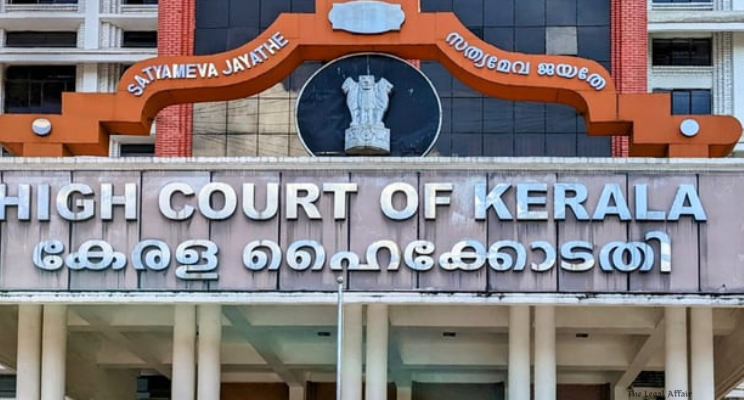
In a landmark decision, the Kerala High Court addressed the procedures for serving summons in cases where defendants reside outside India. A Full Bench comprising Justice Raja Vijayaraghavan V., Justice C. Jayachandran, and Justice C. Pratheep Kumar harmonized the provisions under the Code of Civil Procedure (CPC) with the Hague Service Convention, a treaty India is party to. The judgment arose from a reference regarding whether summons must strictly follow the Hague Convention or could be served through modes specified in Order V Rule 25 of the CPC. The Court provided clarity by balancing international obligations with domestic legal provisions, highlighting the absence of conflict between the two frameworks.
The matter stemmed from conflicting decisions, where one Division Bench had held that summons to defendants abroad must only be served under the Hague Service Convention, while another doubted this interpretation. The Full Bench’s decision overruled the earlier judgment and established a comprehensive guideline for courts and litigants.
Petitioner’s Contentions:
- The primacy of Hague Service Convention:
The petitioner argued that since India is a signatory to the Hague Service Convention, it is bound by its provisions for serving judicial documents abroad. They contended that summons could not be served directly through postal or other methods as specified in the CPC if they contradicted the Convention.
- Reliance on Mollykutty v. Nicey Jacob:
The petitioner cited the judgment in Mollykutty v. Nicey Jacob, which held that service must strictly follow the Hague Service Convention to maintain uniformity and international compliance.
- Need for Harmonization:
The petitioner emphasized that inconsistencies between international treaties and domestic laws could cause confusion and adversely affect judicial proceedings.
Respondent’s Contentions:
- Flexibility in Serving Summons:
The respondents argued that the Hague Service Convention does not mandate exclusive compliance, allowing service through postal channels or other means, provided the destination country does not object.
- No Conflict with CPC:
They asserted that the provisions under Order V Rules 25 and 26 of the CPC align with the Hague Service Convention, enabling courts to use domestic procedures for serving summons abroad.
- Need for Practicality:
The respondents highlighted the practical difficulties in relying solely on the Hague Service Convention, such as delays and procedural complexities. They urged the court to adopt a pragmatic approach to ensure timely service of summons.
Observations of the Court:
- Dualism vs. Monism in Indian Context
The Court addressed whether implementing treaties like the Hague Service Convention required enabling legislation. It emphasized that India follows a balanced approach between dualism and monism. While treaties often require legislative incorporation for enforcement, procedural conventions like the Hague Service Convention do not affect substantive rights and thus do not mandate enabling laws.
The Court observed that Article 51(c) of the Constitution promotes respect for international law and treaties, while Article 253 grants Parliament the power to implement treaties. However, this power is enabling, not mandatory.
- Harmonizing CPC and Hague Service Convention:
The Court analyzed the relevant provisions of the CPC:
- Order V Rule 25: Allows service of summons by post when the defendant resides outside India.
- Rule 26: Specifies service through a political agent or court in a foreign country.
- Rule 26A: Provides for service through officers of the foreign government, as notified by the Central Government.
The Court found these provisions compatible with the Hague Service Convention, particularly Article 10, which permits service through postal channels unless opposed by the destination country.
- Practical Application of the Hague Service Convention:
The Court underscored that the Convention provides procedural guidelines for serving judicial documents abroad without conflicting with domestic laws. Article 2 mandates contracting states to designate a Central Authority to receive service requests, while Article 10 allows for postal service if unopposed.
Judgment of the Court:
- No Enabling Legislation Required:
The Court held that the Hague Service Convention is enforceable in India without separate legislation, as its procedural nature aligns with existing CPC provisions.
- Service Through CPC and Hague Convention:
The Court clarified that service of summons to defendants abroad could follow Order V Rule 25 of the CPC or the Hague Service Convention. If the postal service fails, the parties should proceed under the Convention.
- Overruling Mollykutty v. Nicey Jacob (2019):
The Court overruled Mollykutty to the extent it mandated exclusive reliance on the Hague Service Convention, allowing flexibility under CPC provisions.
- Recommendations for Streamlining:
Recognizing the challenges in serving summons abroad, the Court recommended the establishment of a centralized portal by the Central Government. This portal should integrate with the High Courts’ case management systems to facilitate compliance with the Hague Service Convention.
Conclusions Drawn by the Court;
- Hague Service Convention Enforceability:
The Convention is enforceable in India without enabling legislation. Its procedural guidelines complement the CPC and do not infringe on substantive rights.
- Dual Options for Service:
Summons may be served under Order V Rule 25 of the CPC or the Hague Service Convention. Postal service is permissible if the destination state does not object.
- Revised Stance on Mollykutty:
The earlier judgment is overruled, allowing courts to use CPC provisions alongside the Hague Convention.
- Technological Integration:
The Court emphasized the need for a dedicated portal to simplify the process of serving summons abroad and ensure compliance with international conventions.