


Introduction:
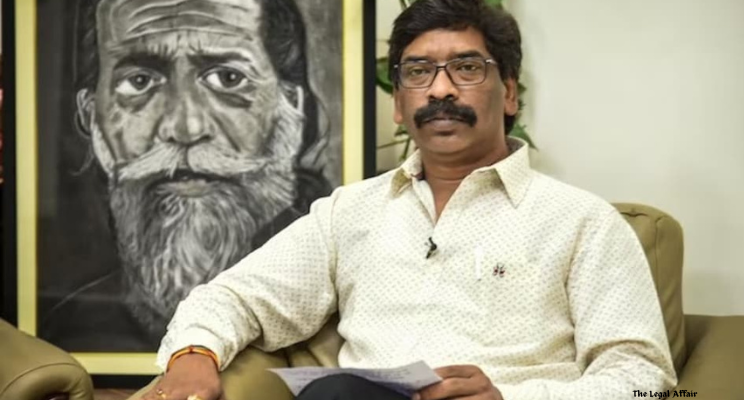
In a significant move aimed at ensuring the welfare of the legal fraternity, the Jharkhand government, under the leadership of Chief Minister Hemant Soren, announced a set of comprehensive welfare schemes for advocates during a Cabinet meeting held on September 6, 2024. These schemes include medical insurance coverage, pensions for senior advocates, and stipends for newly enrolled lawyers. The initiative is part of the state’s broader plan to support the legal community, recognizing the vital role advocates play in the justice system. The Cabinet’s decision was made possible through the strong efforts of Jharkhand’s Advocate General, Rajiv Ranjan, who played a pivotal role in advocating for these welfare measures.
The new schemes include a Rs 5 lakh medical insurance cover for over 30,000 advocates practicing across the state, a monthly pension of Rs 14,000 for advocates aged 65 and above, and a monthly stipend of Rs 5,000 for newly enrolled lawyers during the first five years of their practice. These measures are seen as a landmark step in improving the financial security and professional support available to lawyers in Jharkhand, addressing the challenges they face, particularly in their early years of practice or in their senior years when active work may become more challenging.
The Jharkhand government, led by Chief Minister Hemant Soren, has been proactive in addressing the welfare needs of the state’s legal fraternity. The government recognized that lawyers, particularly those in their initial years of practice, often struggle with financial stability, and many senior advocates face difficulties due to a lack of pension benefits. These issues were highlighted through various discussions between government officials, legal professionals, and advocates for the welfare of lawyers.
The government argued that legal practitioners play an indispensable role in upholding justice and democracy. As frontline participants in the judicial system, advocates ensure that justice is accessible to all. Despite their critical role, many lawyers, particularly in smaller cities and towns, face financial hardships, lack health insurance, and have no safety net post-retirement. In response, the government framed policies to provide necessary financial aid through medical insurance and pension schemes.
The Rs 5 lakh medical insurance coverage was introduced to ensure that advocates and their families have access to quality healthcare, especially in times of medical emergencies. Given the rising costs of healthcare, the absence of such coverage had placed significant financial strain on lawyers. The state government emphasized that this insurance cover would benefit over 30,000 advocates across the state, ensuring they can work without the burden of healthcare costs hanging over them.
Additionally, the government recognized the need to support senior advocates, many of whom continue to practice well into their 60s or even 70s due to the absence of pensions. The Rs 14,000 monthly pension for advocates aged 65 and above was designed to address this gap. The state government argued that after decades of service to the legal profession, senior advocates deserve a dignified retirement, and the pension scheme will help them lead a stable life after their years of active practice.
Furthermore, newly enrolled lawyers often face significant financial difficulties as they try to establish themselves in the profession. Many do not earn enough in their initial years of practice to sustain themselves independently. To address this issue, the government introduced a monthly stipend of Rs 5,000 for advocates in their first five years of practice. This stipend will help young lawyers cover basic expenses while they build their careers and gain practical experience. The government’s rationale was that by supporting young lawyers financially, it can ensure the development of a more robust legal community in Jharkhand.
The Jharkhand government’s legal welfare initiatives were also influenced by the fact that similar measures had been taken in other states, and the government wished to ensure that Jharkhand’s advocates received comparable support. The state government’s stance was that these welfare schemes were necessary and timely, particularly in light of the Jharkhand High Court’s recommendations to extend insurance benefits to the legal community.
While the welfare measures were widely welcomed, some critics and opposition voices raised concerns about the sustainability of the programs and the scope of the benefits. Some critics argued that while the Rs 5 lakh medical insurance cover and pensions for senior advocates were commendable, these schemes might place a significant financial burden on the state government. They questioned whether the government had thoroughly assessed the long-term financial implications of these programs and whether the state’s budget could accommodate these additional expenditures without affecting other essential services.
Additionally, there were concerns about the adequacy of the pension and stipend amounts. Critics pointed out that a Rs 14,000 monthly pension might not be sufficient to meet the financial needs of senior advocates, especially those living in urban areas where the cost of living is higher. They argued that the amount should have been higher or at least linked to inflation to ensure that it remains adequate over time. The stipend for newly enrolled advocates was also seen by some as insufficient, particularly for young lawyers working in metropolitan areas or facing higher costs in their early years of practice.
Moreover, there were questions about the criteria for eligibility and the implementation of the schemes. Some legal professionals raised concerns about potential administrative bottlenecks and how smoothly the government would be able to roll out these benefits across the state. In particular, there was apprehension that advocates in rural areas might face challenges in accessing the benefits, either due to lack of awareness or bureaucratic delays.
There were also critiques that the stipend provided to newly enrolled advocates might not address the deeper structural issues facing young lawyers, such as the lack of opportunities for mentorship, practical training, and access to legal resources. While financial support is crucial, some argued that the government should also focus on creating more opportunities for skill development and professional growth for young lawyers to ensure their long-term success in the legal profession.
The Jharkhand High Court played a significant role in urging the government to take action on the issue of advocate welfare. In July 2024, the High Court had called upon both the Central and State governments to extend insurance benefits to the lawyers’ community. The Court observed that legal professionals were often excluded from insurance schemes, despite their crucial role in society. It highlighted that many lawyers, particularly those practicing in smaller towns and districts, lacked financial security, including health insurance and pensions.
The High Court had noted that while advocates provide essential services to society, they often face financial difficulties, particularly in times of medical emergencies or old age. The Court emphasized the need for welfare measures that would offer advocates protection from such vulnerabilities. These observations from the High Court reinforced the need for comprehensive welfare schemes, which the Jharkhand government has now implemented.
The Court’s intervention reflected a growing recognition of the importance of providing financial and healthcare support to legal professionals, not only in Jharkhand but across the country. The Court underscored that extending medical insurance and pensions to lawyers is not just a matter of social security but also a step towards strengthening the legal profession and ensuring that advocates can continue to serve society without undue financial stress.
The government, in response to the Court’s observations, acted swiftly to formulate and implement the welfare schemes. The active role of the Advocate General, Rajiv Ranjan, was crucial in securing these benefits for advocates, as he worked closely with the government to ensure the schemes were designed in a manner that addressed the most pressing needs of the legal community.