


Introduction:
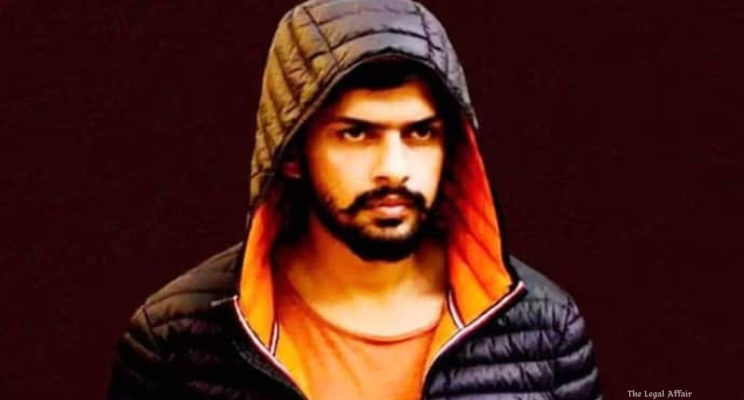
In a case highlighting potential misconduct and collusion within the Punjab Police, the Punjab & Haryana High Court recently ordered an intensive investigation into how gangster Lawrence Bishnoi was permitted to conduct a televised interview from police premises. The court’s inquiry, initiated after Bishnoi’s interview allegedly glorifying crime aired publicly, raised alarms over police practices and potential abuses of authority within Punjab’s Crime Investigation Agency (CIA). This unprecedented order emphasized the need for transparency and accountability within police ranks, given the apparent collusion that allowed Bishnoi, a high-profile criminal, to access media platforms while in custody.
The case was brought to the court’s attention after the Special Investigation Team (SIT) findings revealed that Bishnoi’s first controversial interview was conducted at the CIA’s Kharar premises in Punjab, with a second interview taking place in a Jaipur jail. Justice Anupinder Singh Grewal and Justice Lapita Banerji questioned the involvement of police officers who allowed such access and went as far as creating a “studio-like” environment in a police station for Bishnoi. The court expressed serious concerns over what appears to be a “criminal conspiracy” within law enforcement, calling for the formation of a new SIT to address the alleged abuses under the Prevention of Corruption Act, among other charges.
This case underscores the High Court’s demand for comprehensive internal investigation, the need to eradicate collusion within police ranks, and the enforcement of stringent rules against those entrusted with public safety.
Petitioner’s Argument:
Representing the court’s motion, the appointed advocates presented their grave concerns regarding the alleged assistance provided by Punjab Police to facilitate Bishnoi’s interview, raising questions about the ethical and legal implications of such actions. The advocates argued that Punjab Police officers’ direct involvement—through providing access to official Wi-Fi and private space—violated multiple statutes and indicated a probable breach of the Prevention of Corruption Act. By granting Bishnoi a platform to “glorify crime,” the police were seen as abetting a criminal’s intent to shape public perception of his criminal activities, thereby compromising public safety and justice.
The petitioner’s counsel highlighted discrepancies in official records, pointing out that the police station’s roznamcha, or daily logbook, appeared tampered with, allegedly to obscure details of Bishnoi’s access and interactions during the interviews. This alleged forgery further raised suspicions of a well-orchestrated conspiracy among certain officers to assist the gangster, bringing into question the ethical integrity of the police force involved. This side advocated for a thorough, impartial investigation into any officers who may have received bribes or other benefits to facilitate this “media access” for Bishnoi, urging accountability and punishment for any implicated in wrongdoing.
Respondent’s Argument:
Punjab Police, represented by the Advocate General, attempted to justify the rapid filing of a cancellation report on the case, a point which drew immediate scrutiny from the bench. The counsel argued that any further investigations were beyond the SIT’s initial mandate and insisted that the police actions were within the legal framework. The police counsel contended that the interview might have been recorded without the direct knowledge or approval of higher-ranking officials, claiming that any lapse was procedural rather than intentional.
However, this argument appeared to lack evidence, as the court noted that the cancellation report was hastily filed without justifiable reason. The Advocate General further argued that the DGP’s prior statements to the press were based on the most current information available at that time, denying any intentional deception. Nonetheless, the court found this explanation insufficient, particularly when juxtaposed with the detailed SIT findings indicating active police participation in facilitating the interviews.
Court’s Judgment and Observations:
Presiding over the case, Justices Anupinder Singh Grewal and Lapita Banerji delivered a strong rebuke against the Punjab Police’s conduct in allowing Lawrence Bishnoi to record his interviews under police custody. Notably, the bench highlighted how the police station’s office was transformed into a “studio-like” setting, with official Wi-Fi access provided specifically for Bishnoi’s interview. According to the court, this setup unmistakably pointed to a larger “criminal conspiracy” involving police officers. The bench underscored that the Punjab Police’s apparent involvement in allowing a public figure like Bishnoi to disseminate messages from custody undermined the criminal justice system and suggested direct complicity.
Citing forgery of the daily record book, the bench observed that certain police officers had likely taken conscious steps to cover up the extent of their facilitation. The court noted that tampering with roznamcha records demonstrated not only a lack of integrity but also a breach of trust between law enforcement and the public they are sworn to protect. Additionally, the court criticized Punjab’s law enforcement for its undue “tearing hurry” to file a cancellation report, which was done hastily and without sufficient judicial notice.
The High Court also rebuffed the existing SIT’s limited investigative scope, instead directing Special DGP Prabodh Kumar to form a new SIT alongside ADGP Nageshwar Rao and ADGP Nilabh Kishore. This new team has been tasked with investigating potential violations under the Prevention of Corruption Act, the Information Technology Act, and any other applicable laws. The court mandated a comprehensive status report within six weeks, explicitly stating that the scope of the investigation should include all police personnel potentially implicated in this collision.
The court’s order further directed that periodic checks be carried out on media platforms to ensure the removal of Bishnoi’s banned interviews if they resurface, with the explicit aim of preventing any further glorification of crime. The bench also required an affidavit from Punjab’s Director General of Police, clarifying the basis for his previous public statement that no interviews had taken place within any state jail. The High Court emphasized the need for transparency and accuracy in official statements, signalling that law enforcement leaders are responsible for ensuring information provided to the public is both accurate and truthful.
In closing, the court scheduled the next hearing for November 19, allowing time for the new SIT to make substantial progress in its investigations. The court’s decision to scrutinize the actions of Punjab Police officers marks a crucial step in addressing alleged corruption within law enforcement and aims to prevent similar future breaches.