


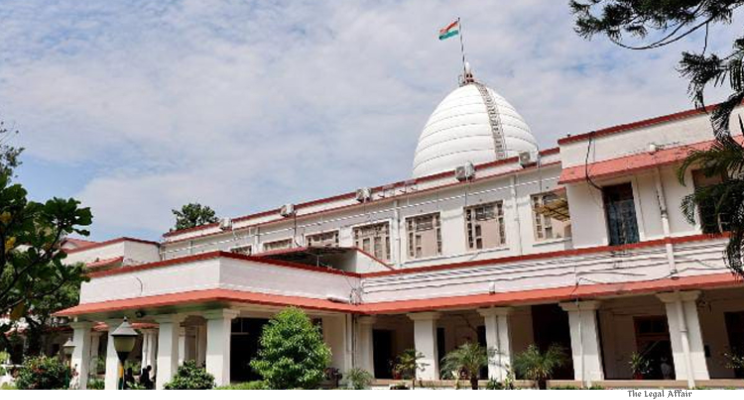
Introduction:
On August 7, 2024, the Gauhati High Court delivered a significant ruling allowing the families of three alleged Hmar militants, killed in an encounter with the Assam Police last month, to take custody of their bodies. The division bench, comprising Justices Kalyan Rai Surana and Soumitra Saikia, issued this order following previous directions to preserve the bodies and expedite the chemical analysis report to determine the cause of death. This decision is a critical step in addressing the families’ requests for the return of the deceased and ensuring proper handling of the case.
Arguments from the Petitioners:
The petitioners, representing the families of the deceased, argued for the release of the bodies based on several key points:
- Request for Body Custody: The petitioners sought permission to take custody of the bodies of their deceased family members, which had been held in the morgue of SMCH, Silchar. They emphasized the need to perform last rites according to their customs and traditions, asserting their fundamental right to handle the remains of their loved ones.
- Concerns of Extrajudicial Execution: The petitioners contended that the deceased were apprehended by the Assam Police on July 16, 2024, and were allegedly killed in extrajudicial executions after being detained. They requested an independent investigation and a postmortem examination conducted by doctors outside Assam to ensure impartiality and transparency.
- Assistance for Transportation: The petitioners also sought logistical support from the State of Assam to facilitate the transportation of the bodies, particularly if they needed to be moved out of the state. This support was deemed crucial to address the practical difficulties involved in transporting the bodies across state borders.
Arguments from the Respondents:
The State of Assam, represented by the Advocate General, provided its response to the petitioners’ demands:
- Affidavit and Logistical Support: The State’s Advocate General acknowledged the petitioners’ request and stated that the State would provide the necessary assistance to the families for transporting the bodies up to the nearest airport or state border. This support was intended to facilitate the families’ efforts to perform the last rites according to their customs.
- Pending Affidavit Submission: The Advocate General informed the Court that the State had filed a short affidavit and requested an additional two weeks to submit a detailed affidavit. The additional time was sought to ensure a comprehensive response to the Court’s directions and to address the allegations made by the petitioners.
- Preservation and Analysis of Bodies: The State also complied with the Court’s earlier directives to preserve the bodies and expedite the chemical analysis to ascertain the cause of death. The State’s submission aimed to address the concerns raised by the petitioners about the handling and examination of the bodies.
Court’s Judgment:
The Gauhati High Court’s judgment allowed the petitioners to take custody of the deceased’s bodies for performing last rites. Key points of the Court’s decision include:
- Permission to Take Custody: The Court granted permission for the families to take custody of the bodies from the morgue at SMCH, Silchar, provided they satisfy the Chief Superintendent-Cum-Principal of the hospital about the identities of the deceased. This decision respects the families’ rights to perform last rites and handle the remains according to their customs.
- Logistical Support: The Court directed the State to facilitate the transportation of the bodies, including providing assistance up to the nearest airport or state border if required. This logistical support was intended to ease the practical difficulties faced by the families in transporting the bodies.
- Affidavit and Review: The Court allowed the State additional time to file a detailed affidavit addressing the issues raised by the petitioners and scheduled a review of the matter for September 10, 2024. This review will assess the State’s compliance with the Court’s directives and the progress of the case.
Transparency and Investigation: While the Court did not directly order a postmortem examination outside Assam, its decision underscores the need for transparency and proper handling of the bodies. The Court’s order reflects its commitment to ensuring that the families’ rights are respected while addressing procedural and logistical concerns.