


Introduction:
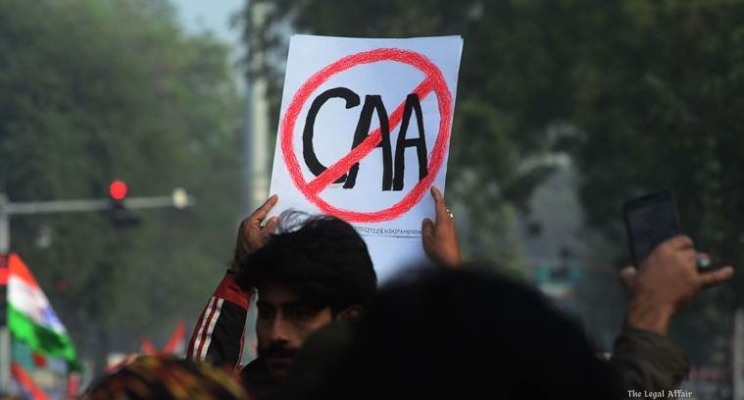
The Delhi High Court has intervened in a case against social activist Shabnam Hashmi, quashing the trial court’s order taking cognizance in an FIR filed by Delhi Police over a 2020 protest against the Citizenship Amendment Act (CAA). This summary delves into the arguments presented by both sides, where Shabnam Hashmi challenged the order, and the court’s decision to annul the proceedings while allowing the possibility of a fresh complaint.
Arguments of Both Sides:
Social activist Shabnam Hashmi faced an FIR over her participation in a protest against the CAA during the COVID-19 pandemic. The Delhi Police registered the FIR, alleging a violation of Section 188 of the Indian Penal Code. Shabnam Hashmi challenged the trial court’s cognizance order, contending that, as per Section 195 of the CrPC, cognizance for an offence under Section 188 of IPC requires a written complaint from the concerned or administratively subordinate Public Servant. Hashmi’s counsel argued that the cognizance couldn’t be based on the Final Report and that the trial court order should be quashed.
On behalf of the State, the Additional Public Prosecutor contended that the Metropolitan Magistrate could take cognizance not only of the Final Report but also of the documents attached to it.
Court’s Judgement:
Justice Navin Chawla of the Delhi High Court quashed the trial court’s order taking cognizance against Shabnam Hashmi. The court clarified that cognizance for an offence under Section 188 of IPC should be based on a written complaint from the concerned or administratively subordinate Public Servant, as outlined in Section 195 of the CrPC. The court noted that the challenge was not to the FIR’s registration but to the trial court’s order taking cognizance of the Final Report without a written complaint under Section 195 CrPC. While annulling the proceedings, the court granted liberty to file a fresh complaint, if deemed appropriate, to be considered in accordance withthe law.