


Introduction:
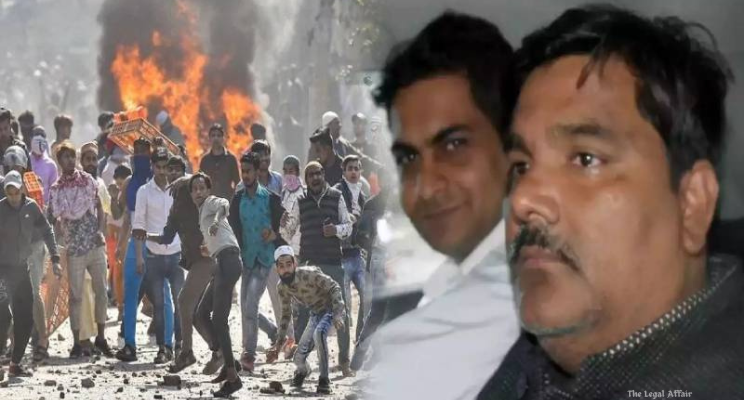
The Delhi High Court recently heard a plea filed by former Aam Aadmi Party (AAP) Councillor Tahir Hussain, now aligned with the All India Majlis-e-Ittehadul Muslimeen (AIMIM), seeking interim bail to contest the upcoming Assembly elections from the Mustafabad constituency. The plea sought release from January 16 to February 9 to facilitate Hussain’s election campaign. Hussain is an accused in multiple cases linked to the 2020 North-East Delhi riots, including charges under the Unlawful Activities (Prevention) Act (UAPA) and the Prevention of Money Laundering Act (PMLA). Justice Neena Bansal Krishna reserved the judgment, stating that the order would be pronounced in chambers. The plea was vigorously opposed by the Delhi Police, which cited serious allegations, ongoing trials, and the potential influence on witnesses as reasons to deny bail.
Arguments by the Petitioner:
Senior Advocate Rebecca John, representing Tahir Hussain, argued for interim bail on the grounds of his fundamental right to participate in elections and maintain his political career. John emphasized that Hussain had been in custody for over half the period prescribed under the PMLA and had not been convicted in any of the 11 FIRs registered against him. She contended that the election campaign required his physical presence, not just for filing nominations but also to engage with voters and explain his manifesto. John assured the Court that Hussain would surrender immediately after February 5 if interim bail was granted. She also highlighted that mere allegations without convictions should not deprive him of his opportunity to contest elections and serve the public.
Arguments by the Prosecution:
The Delhi Police, represented by Additional Solicitor General (ASG) Chetan Sharma and Special Public Prosecutor (SPP) Rajat Nair, vehemently opposed Hussain’s release on interim bail. They argued that the right to contest elections is not a fundamental right, and granting bail for campaigning could jeopardize the ongoing trial. They pointed out that four witnesses in the case had already turned hostile, and Hussain’s release could further influence witnesses. The prosecution described Hussain as the main conspirator, mastermind, and financier of the riots, citing the gravity of the charges against him, including murder and conspiracy. The prosecution, however, expressed willingness to grant custody parole to Hussain for filing nominations, scrutiny, and opening bank accounts but opposed his participation in election campaigning. ASG Sharma argued that the law prioritizes justice for victims over the political ambitions of individuals facing serious allegations.
Court’s Observations and Judgment:
Justice Neena Bansal Krishna reserved the order on Hussain’s interim bail plea, considering the arguments of both parties. While the Court acknowledged Hussain’s right to file nominations and engage in democratic processes, it also took note of the prosecution’s concerns regarding the integrity of the ongoing trial and the seriousness of the charges. The allegations against Hussain, particularly his involvement in the gruesome murder of Intelligence Bureau staffer Ankit Sharma during the 2020 riots, weighed heavily in the Court’s deliberations. The FIR, registered based on the deceased’s father’s complaint, alleged that Ankit Sharma’s body was recovered from a drain near Chand Bagh Pulia, bearing 51 injuries inflicted by sharp-edged weapons and blunt force.
The Court also considered the charges framed against Hussain and his co-accused under various sections of the IPC, including Sections 147, 148, 153A, 302, 365, 120B, and 149, as well as additional charges of incitement and conspiracy under Sections 505, 109, and 114. The prosecution’s arguments about the sensitive stage of the trial and the possibility of witness tampering further influenced the Court’s approach. Justice Krishna emphasized that while participating in elections is a constitutional right, it cannot override the need for justice in cases involving severe allegations like murder and conspiracy. The Court appeared inclined to allow custody parole for the filing of nominations but remained sceptical about granting interim bail for election campaigning, considering the larger interest of justice.
The judgment, to be delivered in chambers, is expected to balance the competing interests of democratic participation and the integrity of the judicial process, particularly in light of the allegations and evidence presented by both sides.