


Introduction:
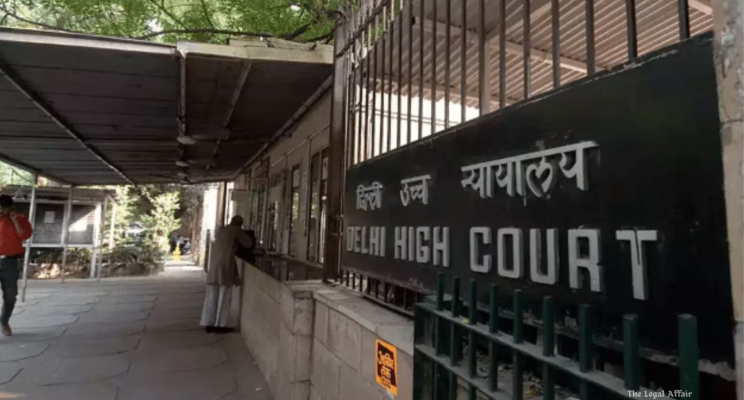
On June 5, 2025, the Delhi High Court addressed a contentious issue involving Delhi Public School (DPS) Dwarka, where the institution had expelled over 30 students due to non-payment of increased fees. The court was informed that the school had withdrawn its expulsion orders, reinstating the students. Justice Sachin Datta, while disposing of the application filed by the parents, expressed strong disapproval of the school’s alleged practice of employing “bouncers” to prevent students from entering the premises, labelling it a “reprehensible practice” that has no place in an educational institution.
Arguments Presented:
Parents’ Perspective:
The parents contended that the fee hike implemented by DPS Dwarka lacked approval from the Directorate of Education (DoE), rendering it unauthorised. They alleged that the school employed coercive tactics, including the use of bouncers, to enforce the fee hike, leading to the expulsion of students who couldn’t comply. The parents emphasised the psychological trauma inflicted on their children due to these actions and sought the court’s intervention to ensure their children’s right to education was upheld.
School’s Defence:
DPS Dwarka, through its counsel, informed the court that it had withdrawn the expulsion orders and reinstated the students. The school argued that the fee hike was necessary to sustain its infrastructure and provide quality education. However, it did not directly address the allegations concerning the use of bouncers or the lack of DoE approval for the fee increase.
Court’s Judgment:
Justice Sachin Datta acknowledged the withdrawal of the expulsion orders and the reinstatement of the students, rendering the immediate controversy moot. However, he issued a stern warning to the school, emphasising that any future actions under Rule 35 of the Delhi School Education Rules, 1973, must be preceded by prior communication and a reasonable opportunity for the concerned students and their guardians to respond. The court condemned the alleged use of bouncers, stating that such practices are incompatible with the fundamental ethos of a school and constitute mental harassment, undermining the psychological well-being of children.